Outstanding figure of exile, worked at the EFE agency and cultivated a prolific literary work marked by the nostalgia of Cuba.
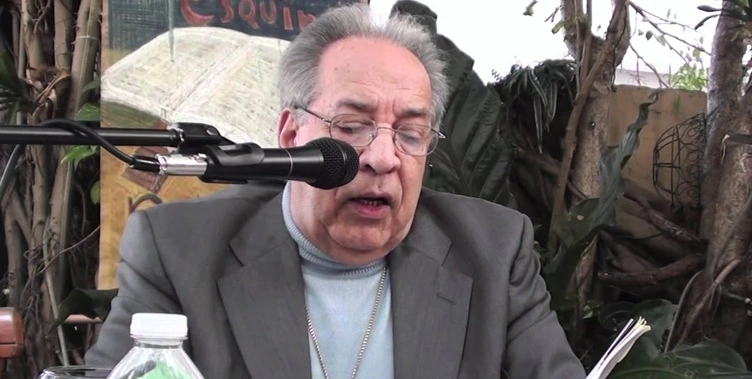
Madrid, Spain.- Cuban journalist and poet Roberto Cazorla died in Madrid at age 93 this Tuesday. His death ends a life marked by exile, literary creation and the exercise of cultural journalism, where he became a bridge between Spain and the Latin American artistic world.
Born near Ceiba Mocha, in the province of Matanzas, Cazorla moved to Madrid in 1965 fleeing from the Fidel Castro regime. That same year he began working at the EFE agency, in the department of reports, where he developed a decades that led him to interview great personalities of music, literature and performing arts. Among the most prominent names are Lola Flores, Celia Cruz, Julio Iglesias, Raphael, Libertad Lamarque and Antonio Gades.
A poetic voice of exile
Roberto Cazorla’s literary vocation emerged from very early: he wrote his first sonnet at age 11. In Matanzas he maintained a relationship of friendship and mentoring with the renowned poet Carilda Oliver Labralink that endured even after his departure from Cuba.
Throughout his life he published more than twenty books of poetry and narrative, in which he addressed memory, childhood in poverty and nostalgia of exile. Among his titles are That a rooster sing to die in colors, citizen of a tenderness archipelago (2014), The island I will always call myself (2016) and the book of stories Ceiba Mochaa work in which he rescued memories of his childhood in Cuba, between humor and social criticism.
His poetry is impregnated with images linked to Cuban popular culture, with constant references to santeria, Afro -Cuban mythology, the nature and symbols of the island. For many critics, his work is part of the tradition of writers who turned uprooting and memory into sources of artistic creation.
When transcending the news of his death, the networks have been filled with messages of condolences, especially of others Cuban exile personalities.
Recognition and legacy
In addition to his work at the EFE agency, Cazorla was a correspondent for the newspaper Miami free and received numerous recognitions of Cuban exile, including the distinction of “favorite son of the city of Miami” and awards of the Pen Cuban writers Club in exile.
With his death, an essential voice of cultural journalism and literature of Cuban exile disappears.