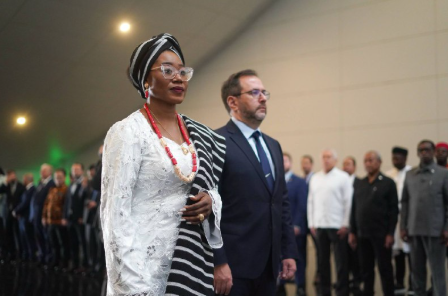
The construction of public policies for Brazilian food systems opened the debates of the sectoral stage of the 3rd National Conference on Sustainable and Solidarity Rural Development (3rd CNDRSS), in Brasilia. At the center of the process is an agroecological transformation that is able to face climate change and promote social justice and welfare in rural territories. Participating in the event, 28 sectors of traditional peoples and communities.
According to Samuel Carvalho, executive secretary of the National Council for Sustainable and Solidarity Development (Condraf), the conference, which has as its theme Brazil Rural, Root of Life, Source of Good LivingIt wants to show that it is in rural territories that are all living conditions, biodiversity and will ensure life, even in cities.
“It is in rural that we are valuing and prioritizing the importance of being able to produce food, to develop in harmony with the environment, with the recovery of biomes, including to ensure safety about food for the country,” he says.
Andirobeiros, always vivid flowers, caatinga, caiçaras, mangaba pickers, gypsies, background communities and pasture closure, extractivists, jackets, geners, isqueans, panties, artisanal fishermen, piaçavers, pomeranos, terreiro peoples, coco crashs, cocoons Babaçu, quilombolas, retirers, riverside, rubber tappers, ebb, councilors work in the construction of 30 proposals to be taken to the debates of the national stage in March 2026.
According to the coordinator of the Interstate Movement of Babaçu do Maranhão, Pará, Piauí and Tocantins, Maria Alaídes Alves, although the debates occur guided by thematic axes, there are old demands of traditional peoples that deserve attention.
“One of the main demands is the protection of people’s territories and bodies. When I speak of the bodies, it is because we need safety of these bodies, both in the health and climate issue, and also against the violence that happens by the invaders of the territories,” he explains.
>> Follow the channel of Brazil agency on WhatsApp
For the national representative of the network of traditional peoples and communities in Brazil, Taata Kommannanjy, public policies need to be well built, but they also need to reach everyone.
“Our proposal is about agriculture, about territories and about the visibility of our community. It is not just the visibility of a community. That is of the 28 categories, because we talk much of two and three, and the rest is not heard, it is not seen, pretends that it is not.
The Sectoral Conference of Traditional Peoples and Communities is the second of three that will occur before the preparatory territorial stages for the National Conference. The first meeting dealt with the transverse axis autonomy and emancipation of youth and rural succession.
The axis appreciation of the traditional knowledge of the old people will be treated at this meeting that takes place until Friday (3), and a third meeting will take place in October, to discuss the cross-sectional axis economic autonomy of rural women.
Another five thematic axes guide the other preparatory steps to the National Conference.
“We have sought to achieve as much territories as possible in order to have this representativeness taken to state conferences, and we are also in the effort to ensure that they have state conferences in the 27 states of the Federation. We are moving to this goal by the end of the year,” said Samuel Carvalho.