The centers for disease control and prevention (CDC) raised at level two (“take additional precautions”) the alert for travelers to the island.
Miami, United States. – The United States Embassy in Havana issued this Tuesday A new health alert For the Chikungunya outbreak in Cuba and notified that the Centers for Disease Control and Prevention (CDC) raised at level two (“take additional precautions”) the alert for travelers to the island.
The diplomatic headquarters said that the situation affects the entire country and remarked that “there is no specific treatment for Chikungunya.” According to the embassy, the symptoms of the disease, transmitted by mosquitoes, appear between three and seven days after the bite. The most common are fever and joint pain, and may also include headache, muscle pain, joint inflammation or skin rashes.
🚨 Alerta de Salud – Embajada de Estados Unidos en La Habana, Cuba
📍 Ubicación: Cuba (todo el país)
🦟Los Centros para el Control y la Prevención de Enfermedades (CDC) de EE. UU. emitieron una Alerta de Salud para Viajeros Nivel 2 («Tome precauciones adicionales») en respuesta… pic.twitter.com/77molbvgRS— Embajada de los Estados Unidos en Cuba (@USEmbCuba) September 30, 2025
Most people recover in a week, although some have intense joint pain for months or years. The notice recommends that pregnant women “reconsider traveling to the affected areas, especially if it is close to their delivery date.”
The statement identifies as groups of greater risk to infected newborns at the time of childbirth, older adults (65 years or more) and people with conditions such as diabetes or heart disease.
Although the health alert acknowledges that death by Chikungunya is uncommon, he advises to consult the CDC page about the disease on the island, talk to the medical supplier about trips and vaccination options, review with insurance the possibilities of medical evacuation and seek health care before fever, joint pain, headache, myalgia, inflammation of joints or eruptions.
In A previous alertissued at the end of August, the embassy had already warned of “an increase in the number of dengue, chikungunya and Groopouche virus infections throughout Cuba.”
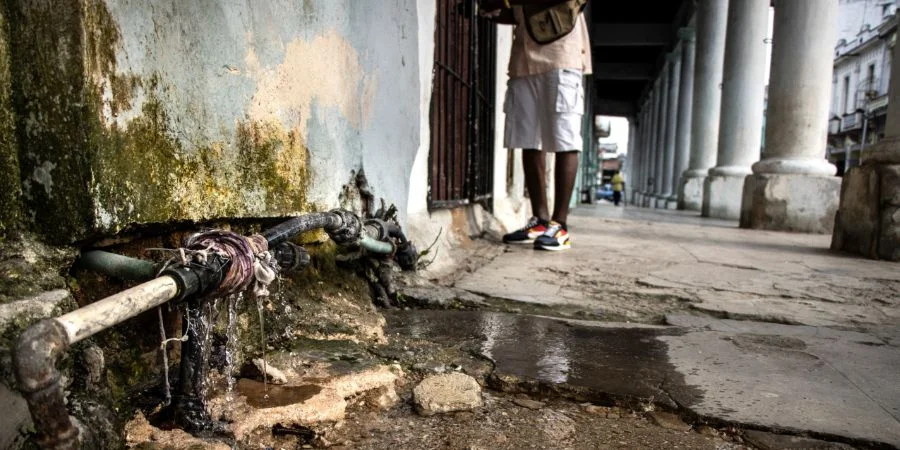
The same day, in Another alertthe diplomatic headquarters warned its citizens the risks of traveling or staying in Havana due to an increase in cases of hepatitis A garbage and abundance of flies.
Before, the Canada government He had updated his travel warning to Cuba by reports of Oroopouche, Dengue, Covid-19 and measles in the largest of the Antilles. In case of traveling to the island, the diplomatic headquarters recommended drinking bottled or boiled water, avoiding ice, peeling raw fruits and vegetables and not swallowing water when bathing or swimming. He also urged to use approved repellent, clear clothes and tight fabric, closed footwear and mosquito nets, as well as perform body reviews after outdoor activities.