Santo Domingo.- The Treatment Program under Judicial Supervision (PTSJ) offers a therapeutic alternative to imprisonment for people committing minor crimes linked to problematic drug use. This pilot plan has demonstrated a significant success in the social and labor reintegration of its participants.
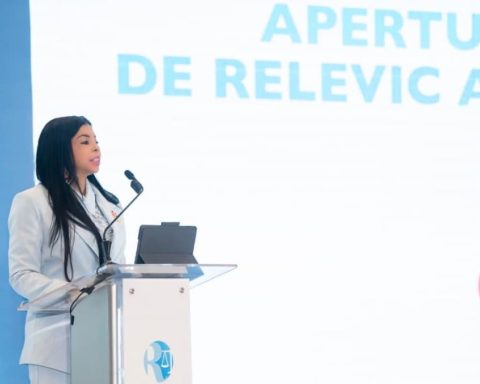
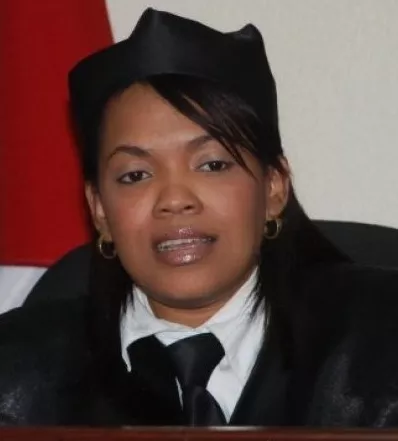
This was expressed by the coordinating judge of the Courts of the National District’s instruction and in charge of the program, Kenya Romero, who assured that the benefits go beyond avoiding prison, because they seek an integral transformation that allows young people to resume or initiate a productive life.
Participants complete comprehensive treatment and manage not to recover in crime, but “return to work” and positively integrate society.
In addition, this program will help a bit the overpopulation of prisons, and the relief of the processes give the courts.
The sustainability of recovery: beyond treatment
The magistrate said that the success in the recovery and social reintegration of PTSJ participants lies in their integral approach, which addresses various areas of the life of each individual.
Sustainability pillars include:
Therapeutic and judicial intervention: The combination of specialized treatment with the monitoring of a judicial authority guarantees adhesion to the process.
Support: It is fundamental, since it strengthens the beneficiaries. It can be made up of family, friends or, in cases such as streets in street situations, by technical or experiential groups made up of organizations and people who have overcome similar experiences.
Insertion tools: The program provides training and technical competencies so that participants can access a job or undertake a business, reducing the risk of recidivating due to lack of opportunities.
The authorities recognize that recovery can be more complex in cases of poly-consumption, use of highly addictive substances or prolonged addiction history. However, they emphasize that integral treatment makes the process “perfectly sustainable.” In addition, they emphasize that many people had never really been inserted in society due to lack of opportunities, and the PTSJ gives them that first possibility.
Message of reflection to society
Judge Romero urged society to promote empathy and social commitment, highlighting the importance of education on problematic consumption and its consequences.
To society in general it is up to us to be empathic, without being paternalistic. Understand that there are people with a different context, and that it can always be contributed comprehensively.
Compliance with a sanction does not have to be painful, it can be alerting, educational and constructive, ”said the magistrate.
Therapeutic justice is presented as a more human path, where the sanction is not reduced to punishment, but becomes a social rehabilitation tool and reintegration.
Future and support from civil society
Although the program is in the process of expansion, the executive table is expected to enable collaboration channels with civil society, including public-private and volunteer alliances.
The expectation is that any contribution to the integral approach will be welcome, strengthening the effectiveness of the PTSJ.
The success of the treatment program under judicial supervision demonstrates that effective justice for minor crimes related to substance dependence requires a comprehensive health diagnosis and constant social accompaniment.