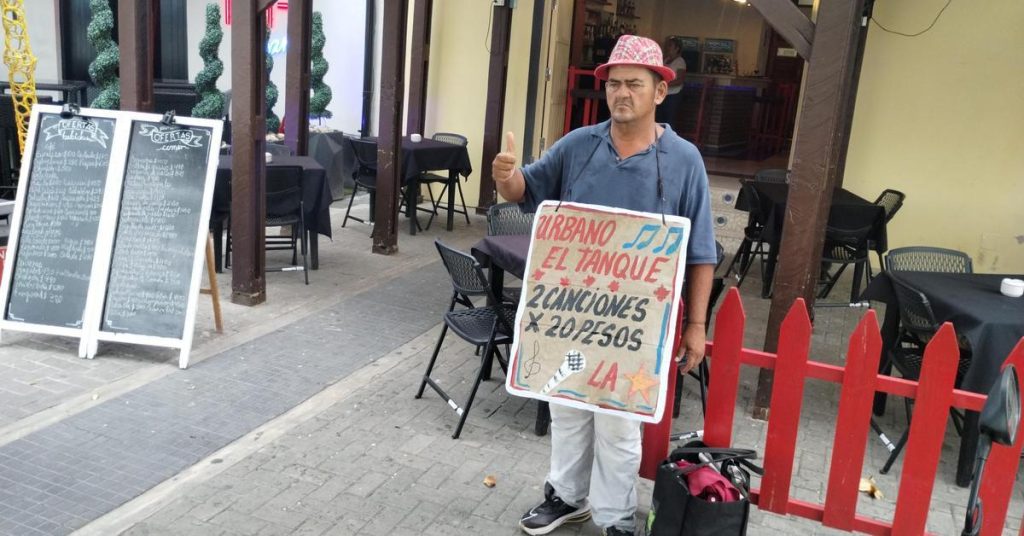
Behind him Temporary closure of the famous Cuevita for repairsmany vendors have transferred their activity to the cast Monterrey. They are now in 13th Street, and also in 94 and Gimnasta Camino, in San Miguel del Padrón.
Despite the dispersion, the activity does not decrease. Each improvised position can represent the sustenance of a family that depends on sales to make its economy.
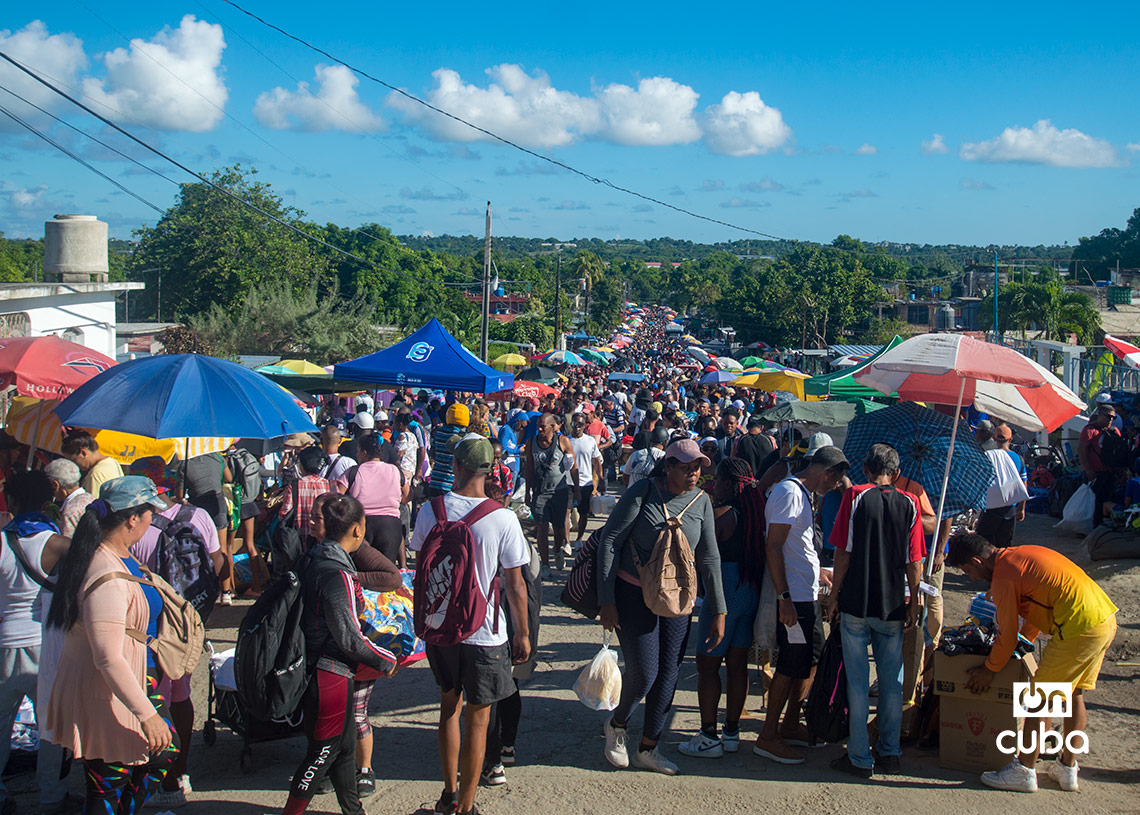
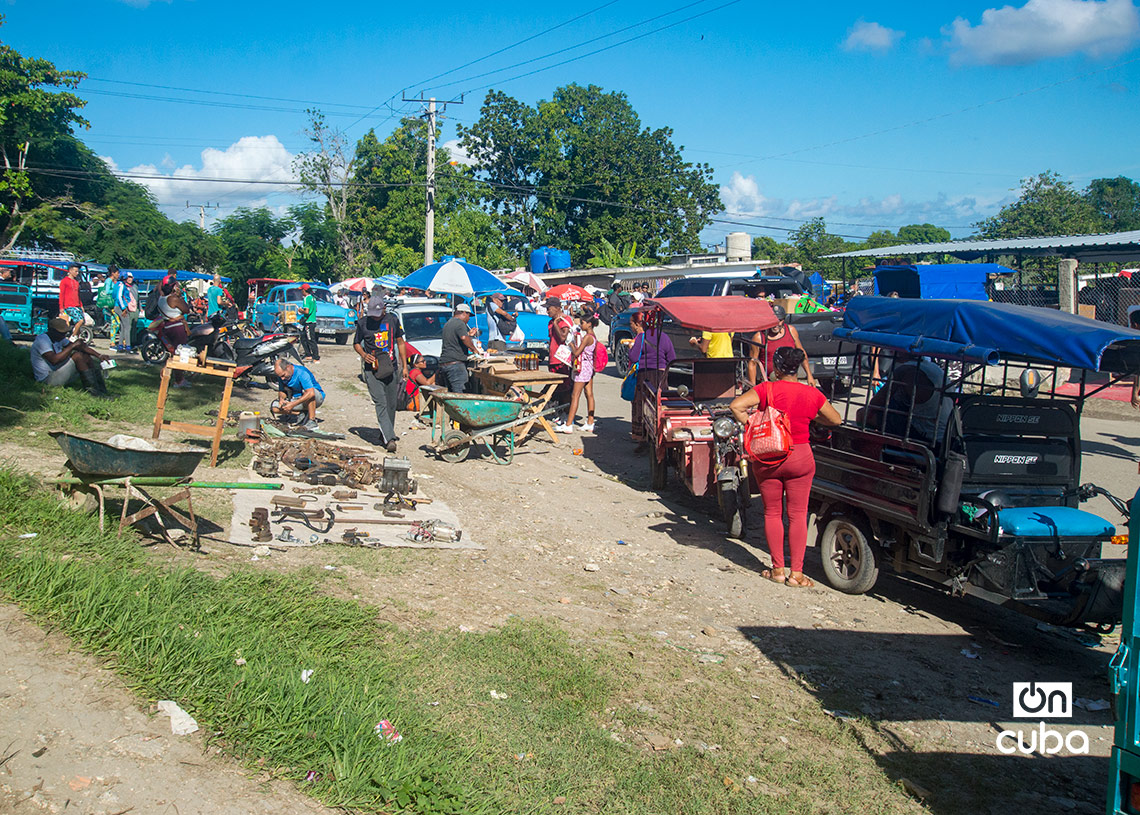
The morning on 13th Street of the Monterrey cast wakes up with a swarm of people.
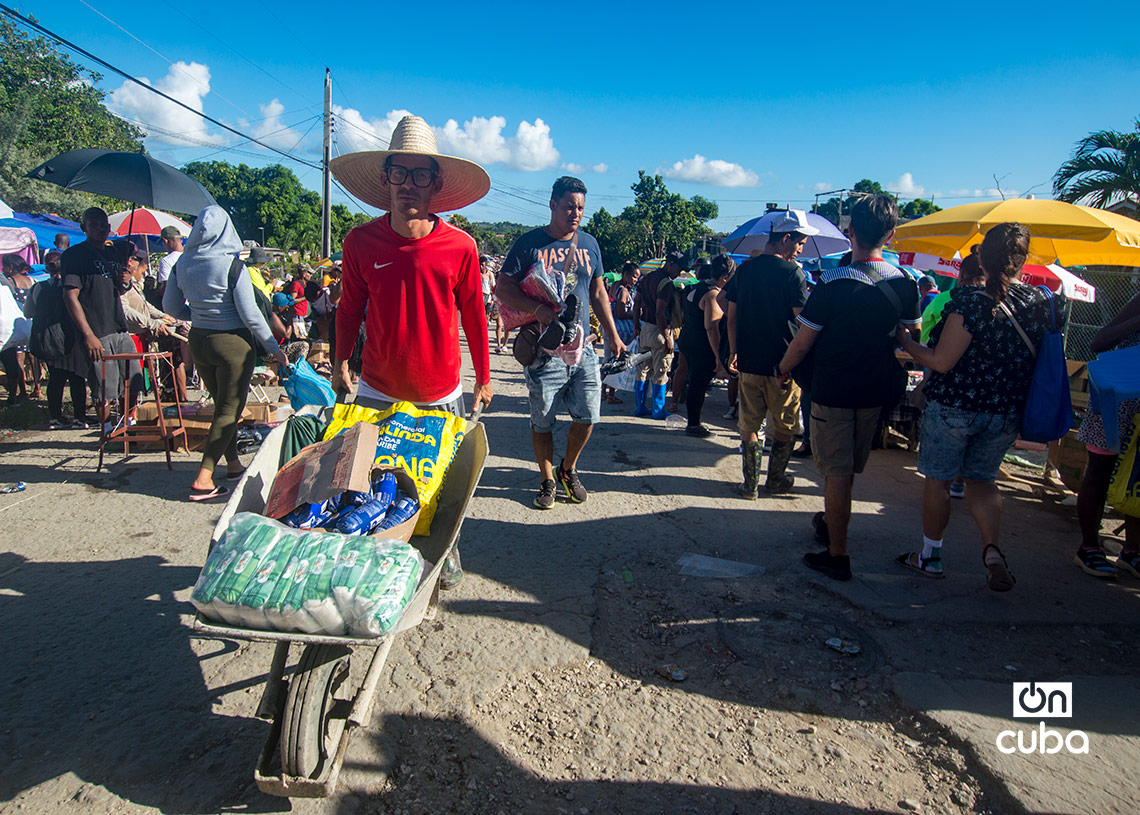
Dozens of trucks push carved carts, while sellers improvise and place on their shelves the products most sought after by the clientele: shaving blades, lingerie, food, electronic equipment, tennis, pots and whitouts.
Some legally sell taxes, others “fight” from informality.
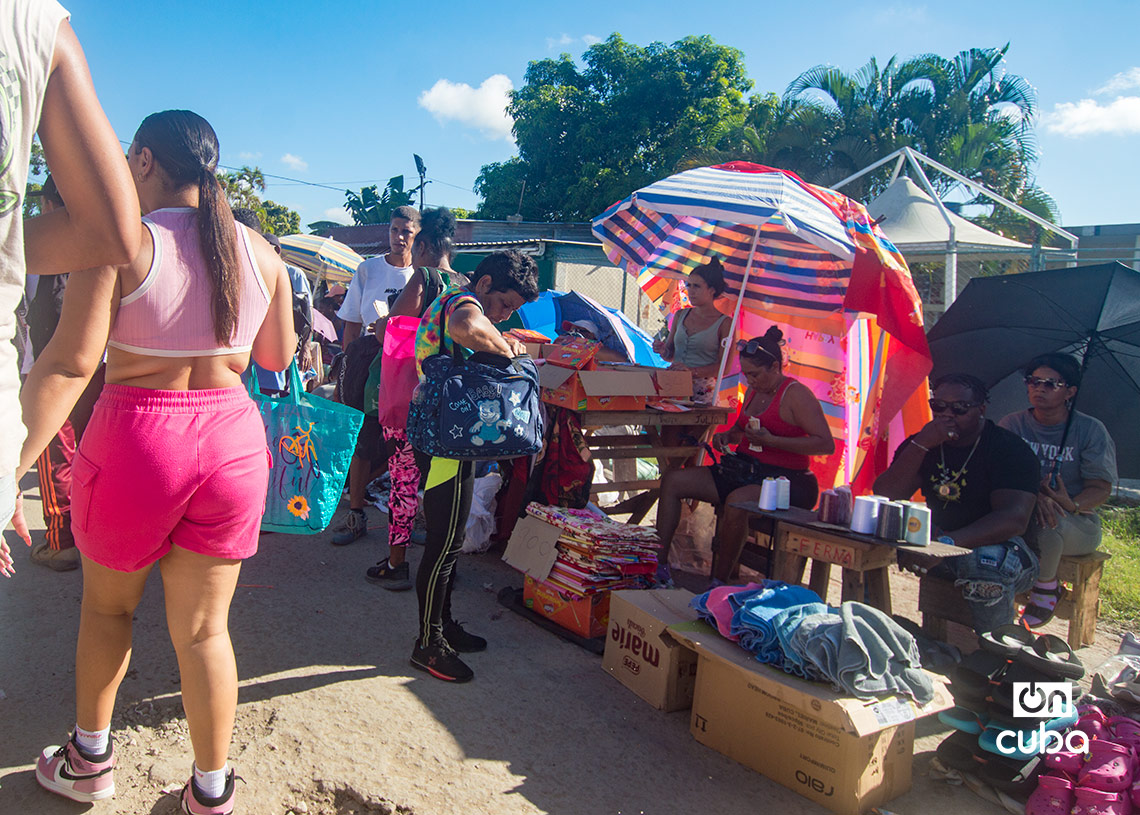
Buyers begin to arrive early, many even from other provinces, in search of products for both personal and reselling products.
The routine demands surveillance: there are always thieves on the prowl, and both buyers and sellers remain alert.
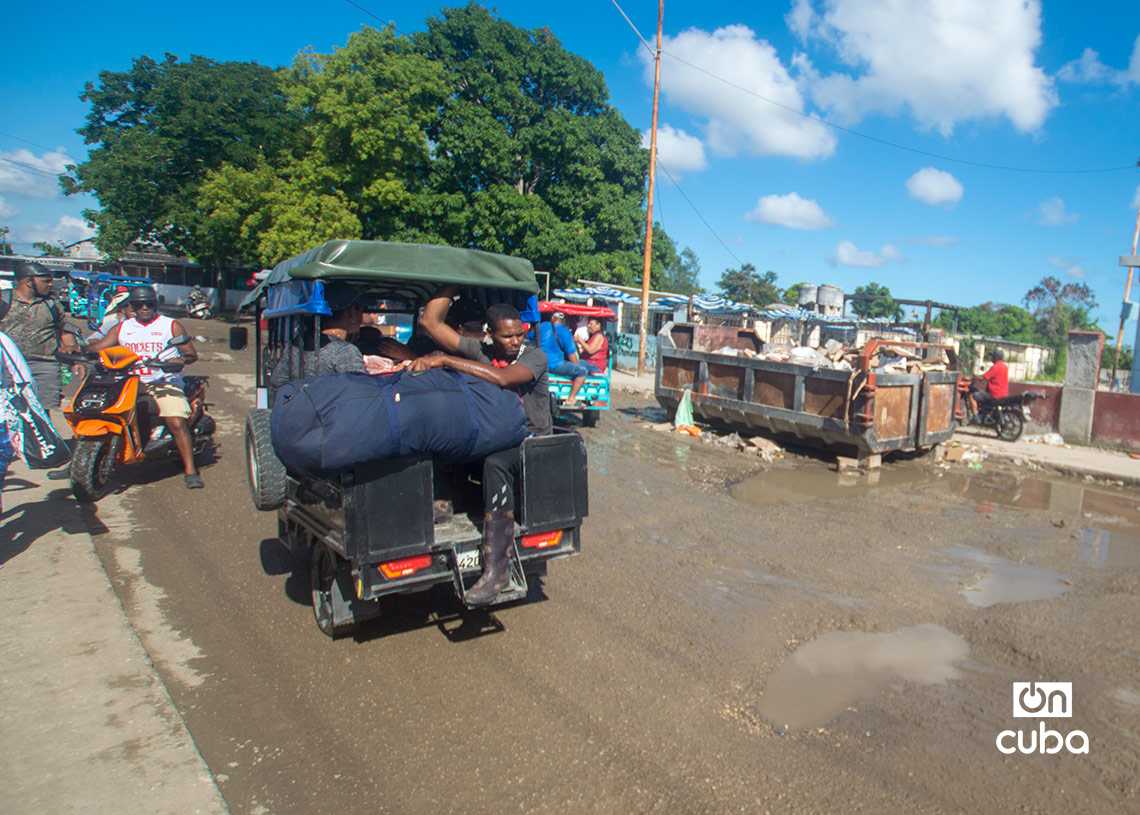
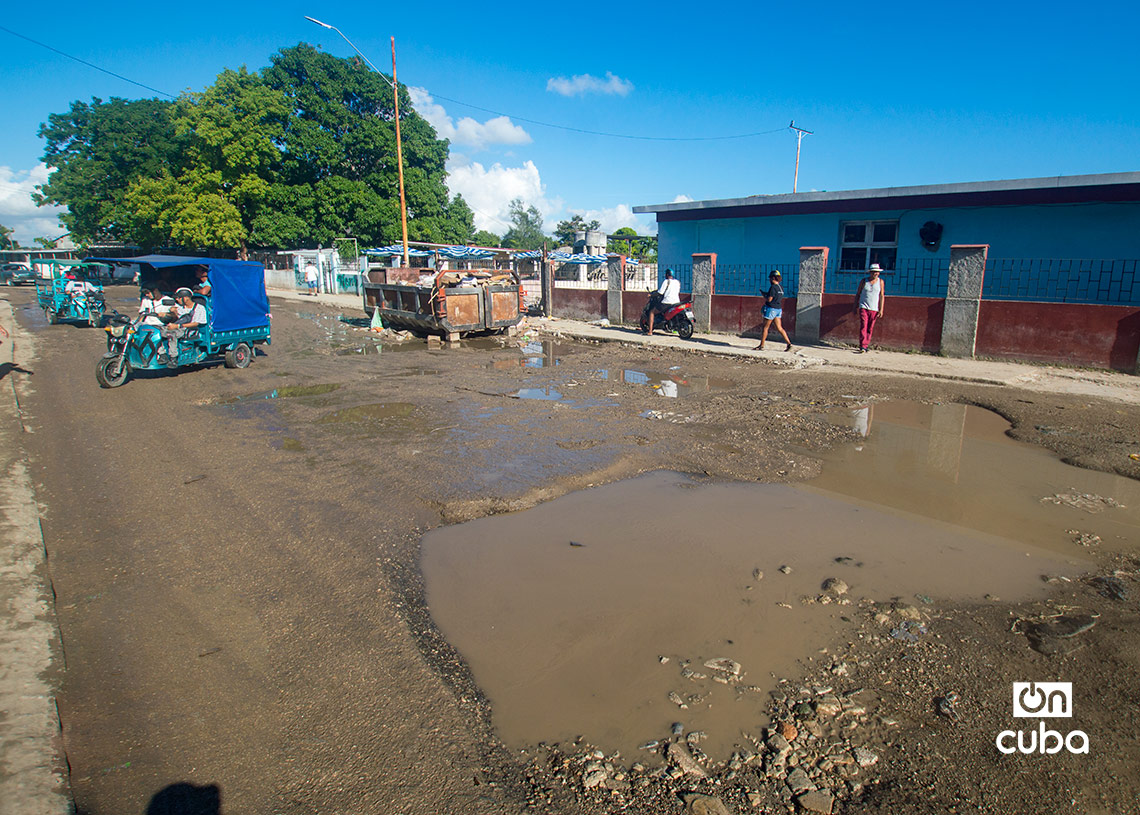
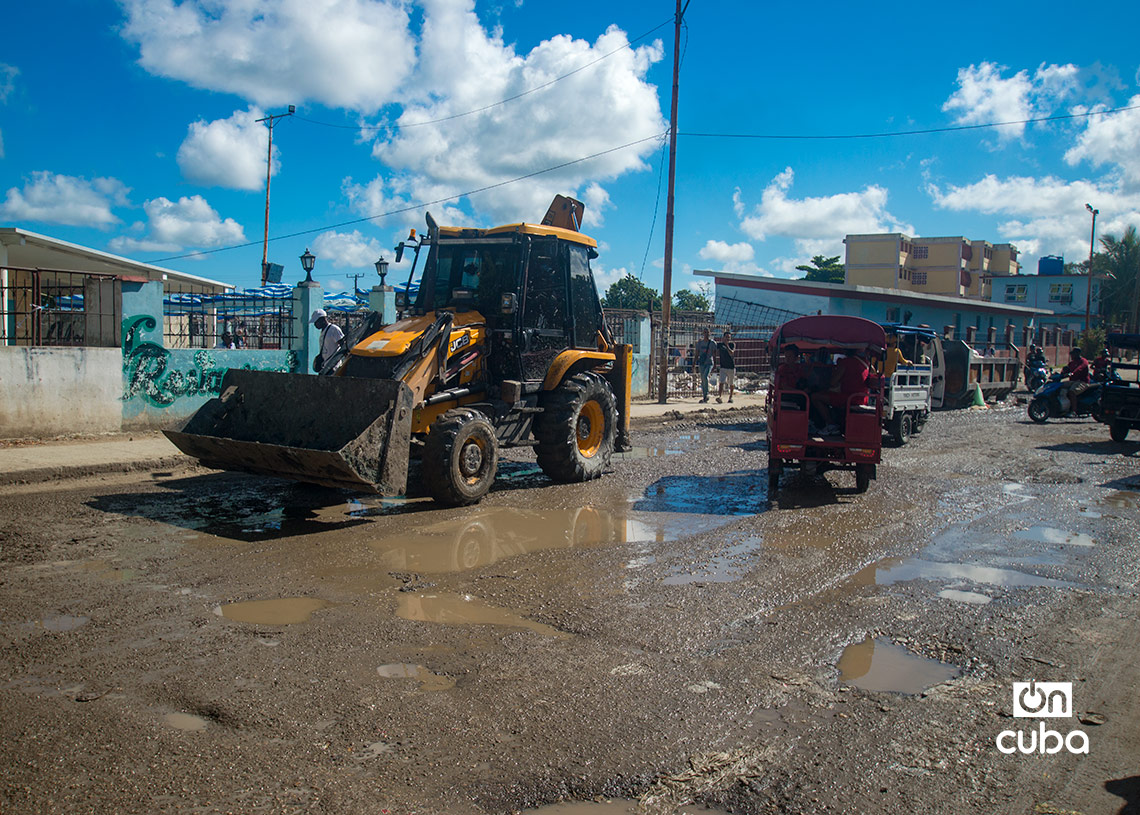
The traffic is constant: cars, trucks and electric tricycles arrive from different parts of the city such as El Curita or La Virgen del Camino, raffling streets with potholes and deteriorated roads, especially near the area of the Cuevita, where the first signs of the constructive works are seen: sand, gravel and sidewalks under construction.
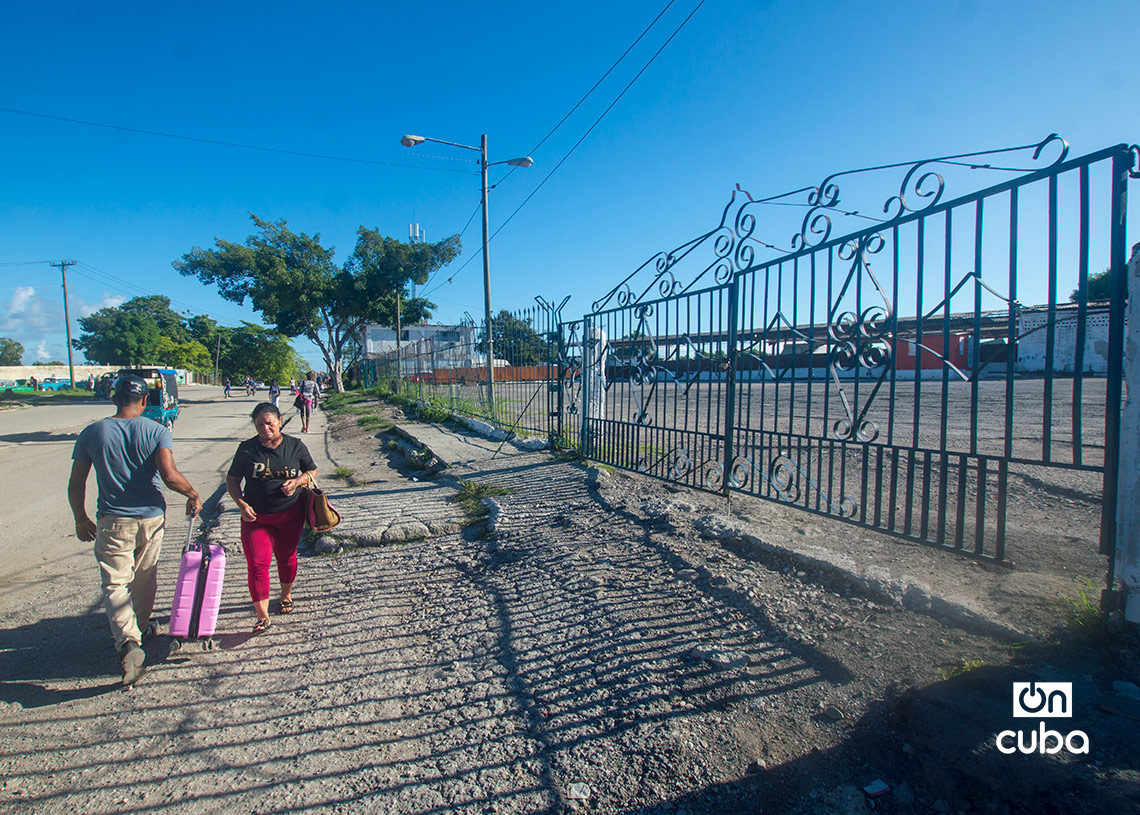
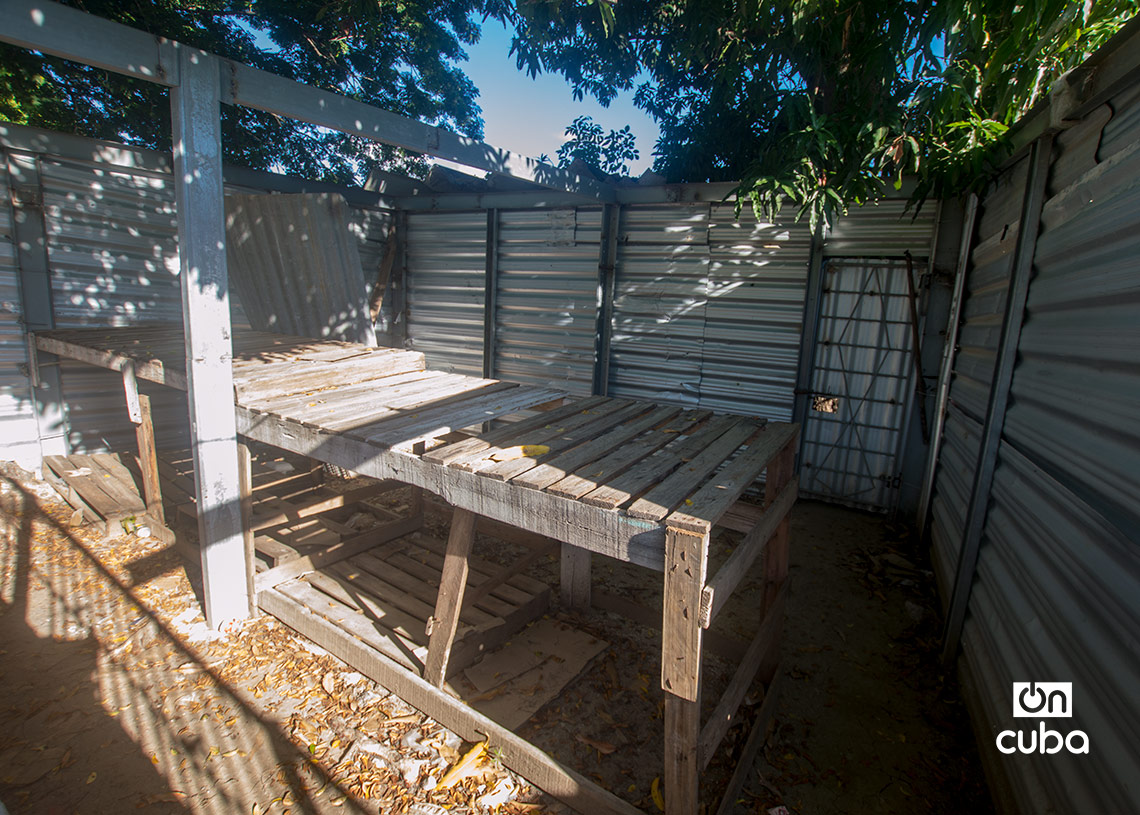
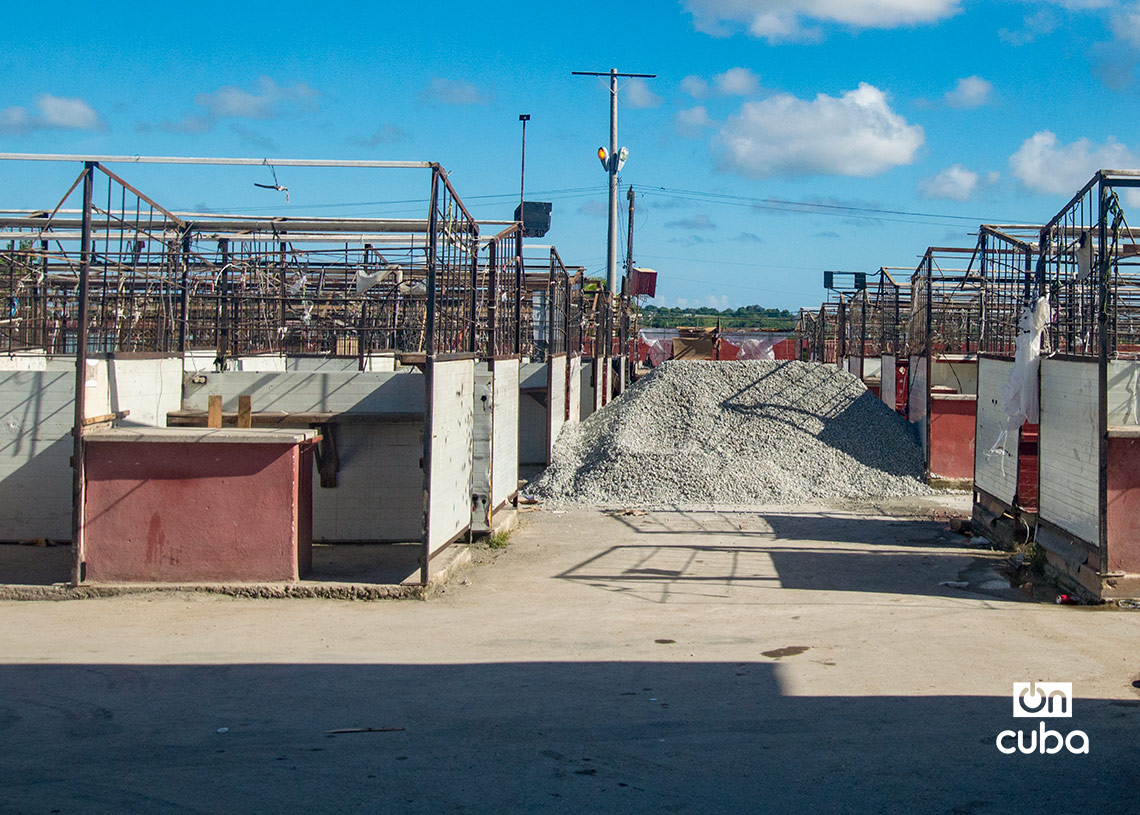
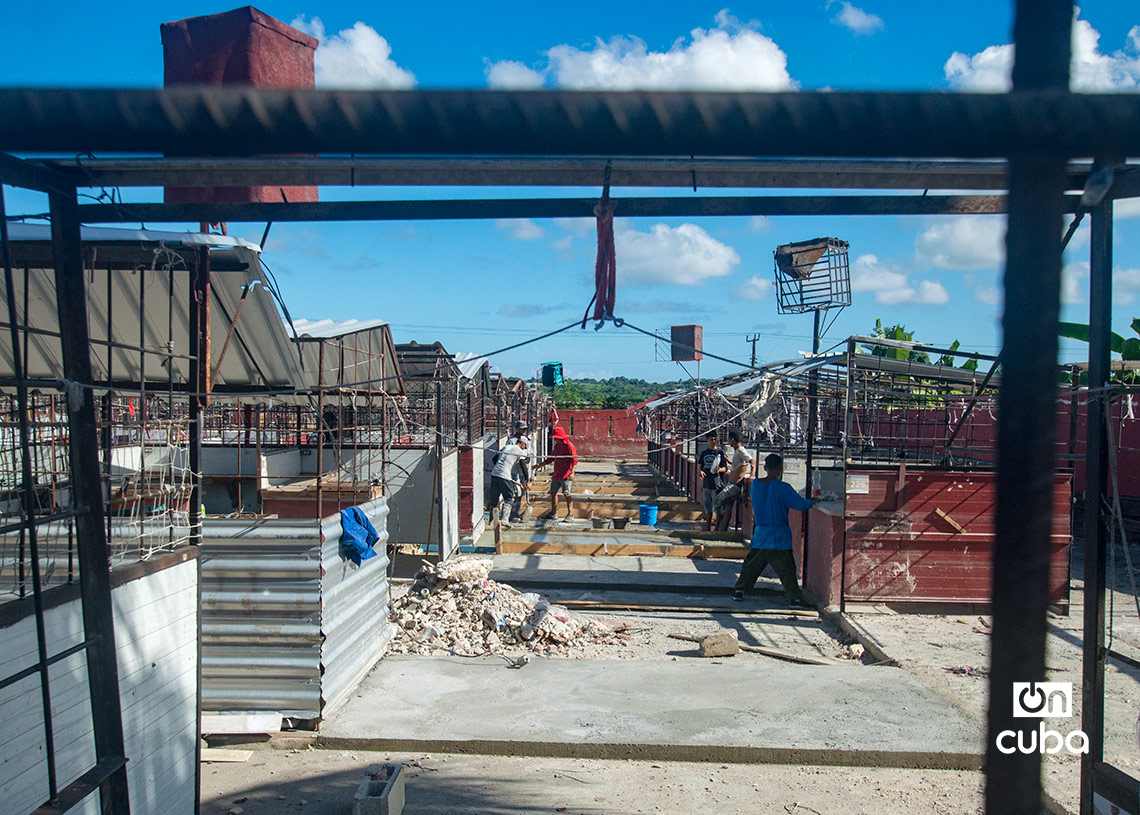
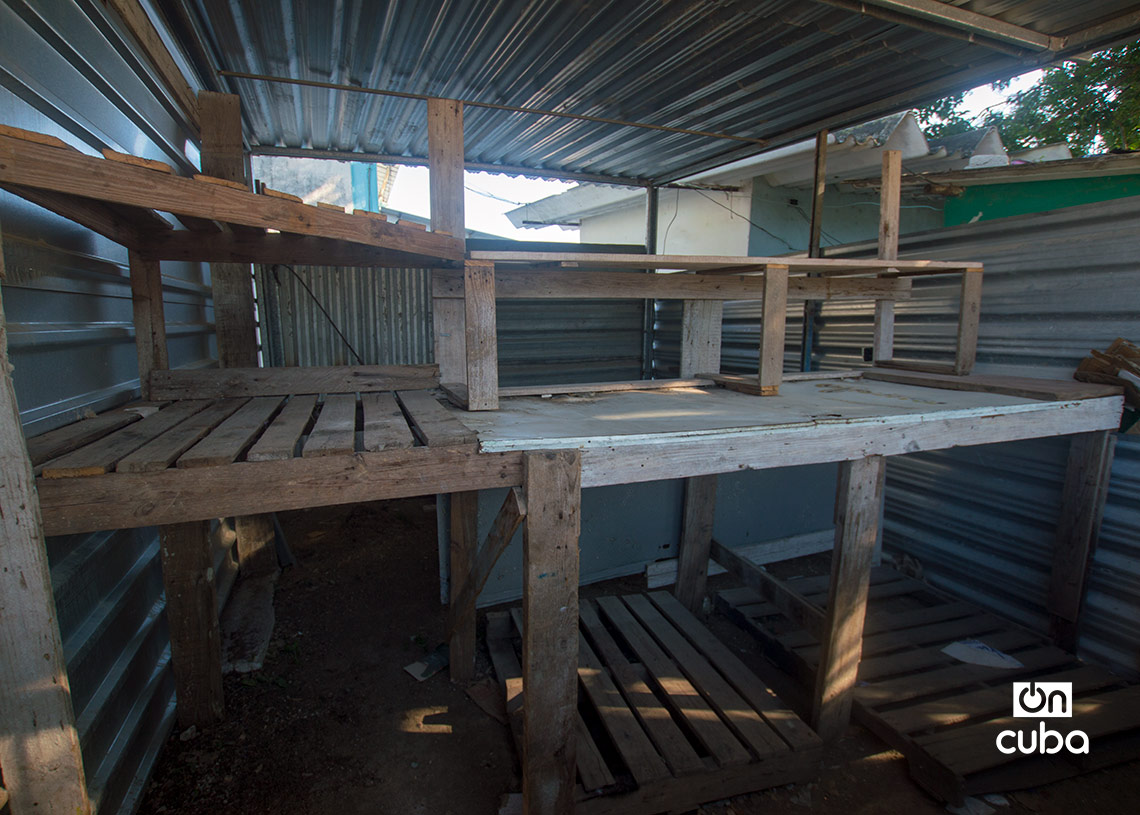
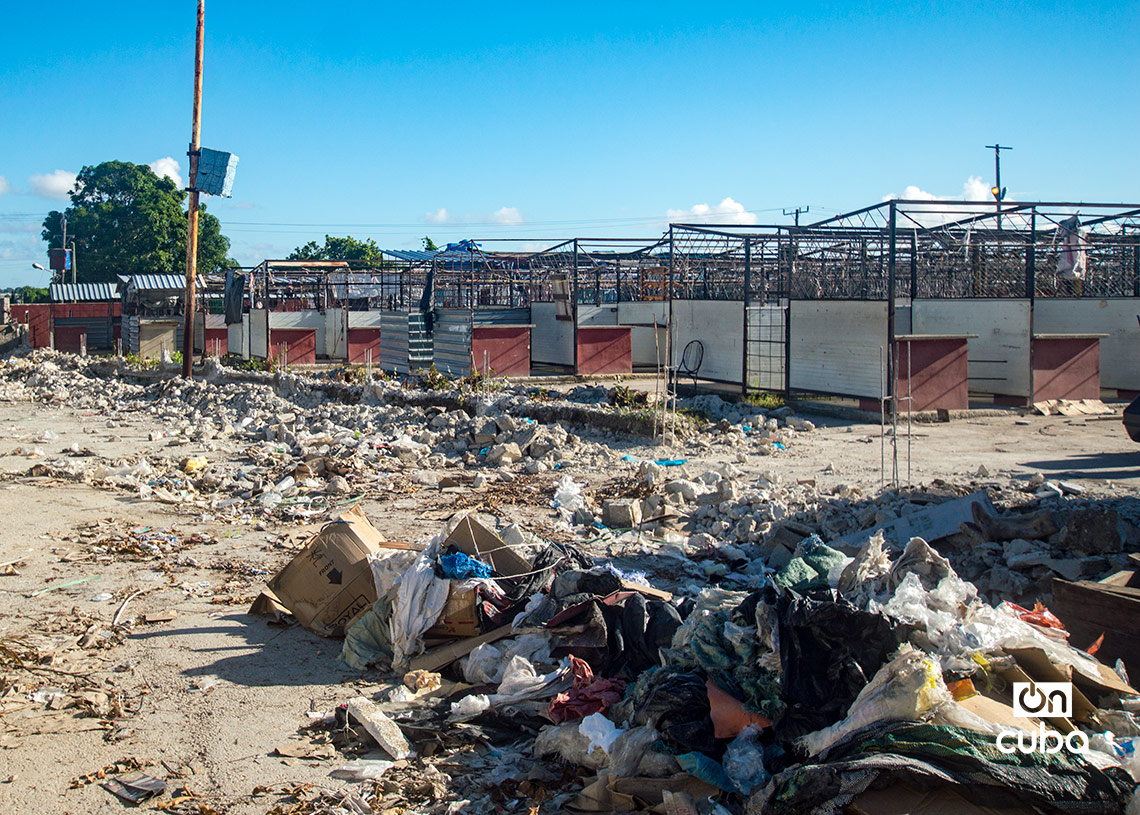
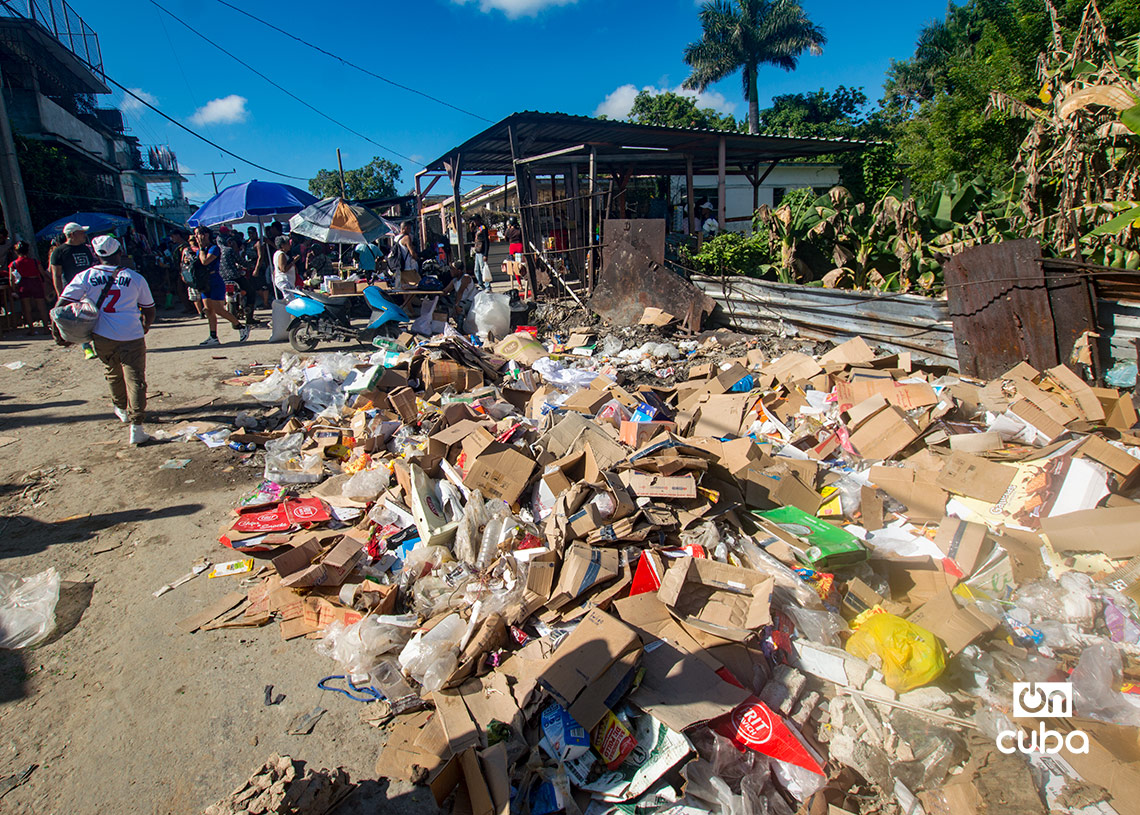
Despite the work and dispersion, optimism is breathed among merchants. Many have taken tiles and platforms from their original premises, prepared to set up their provisional positions and continue the sale in other places.
Prices are not as low as before, but the difference with other places in the city allows you to negotiate.
A detergent package can cost 150 CUP there and 200 in other municipalities; A blender, 7 thousand cup with a gift included, while in another place it exceeds 10 thousand. The offer varies according to the product and the quantity bought.
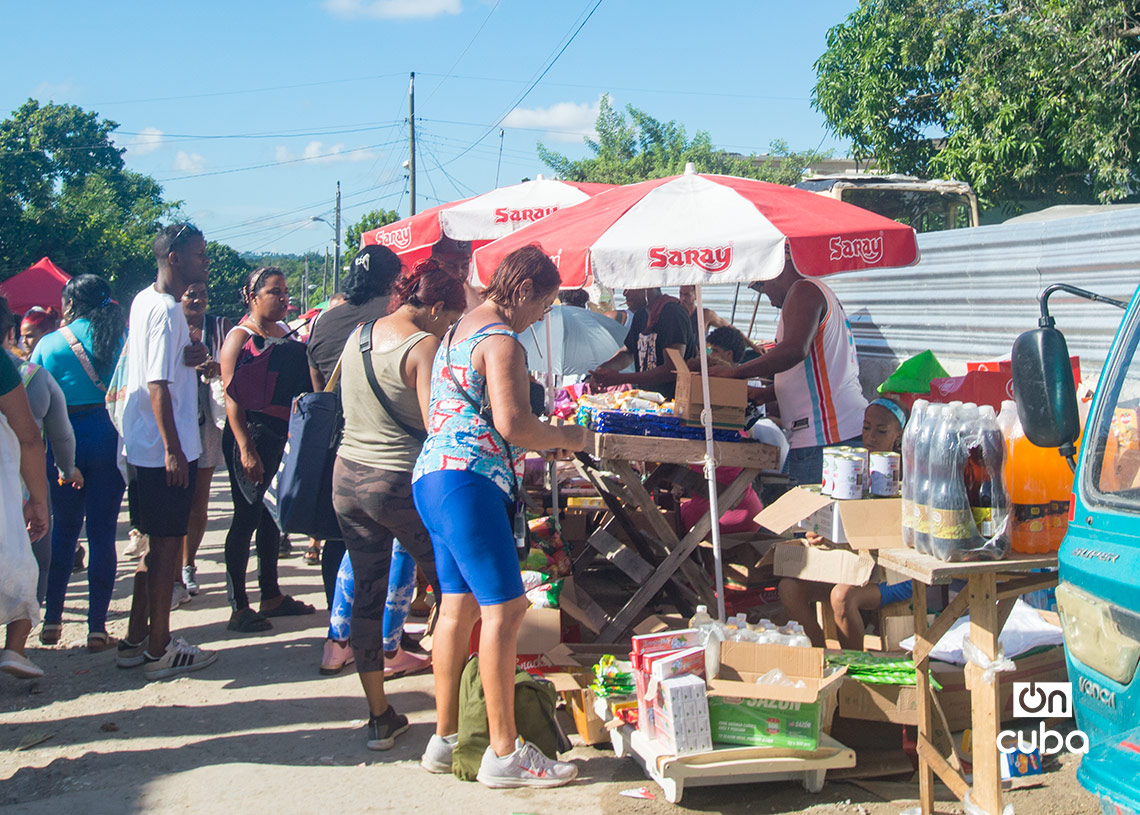
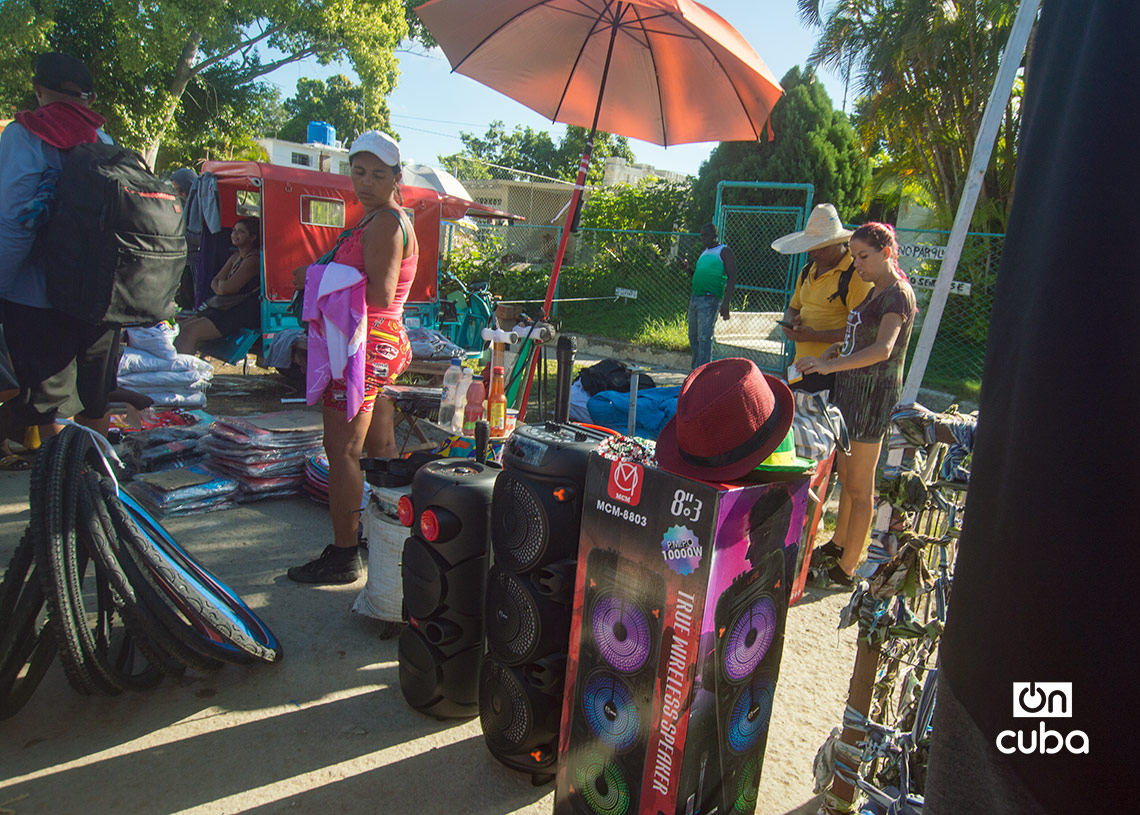
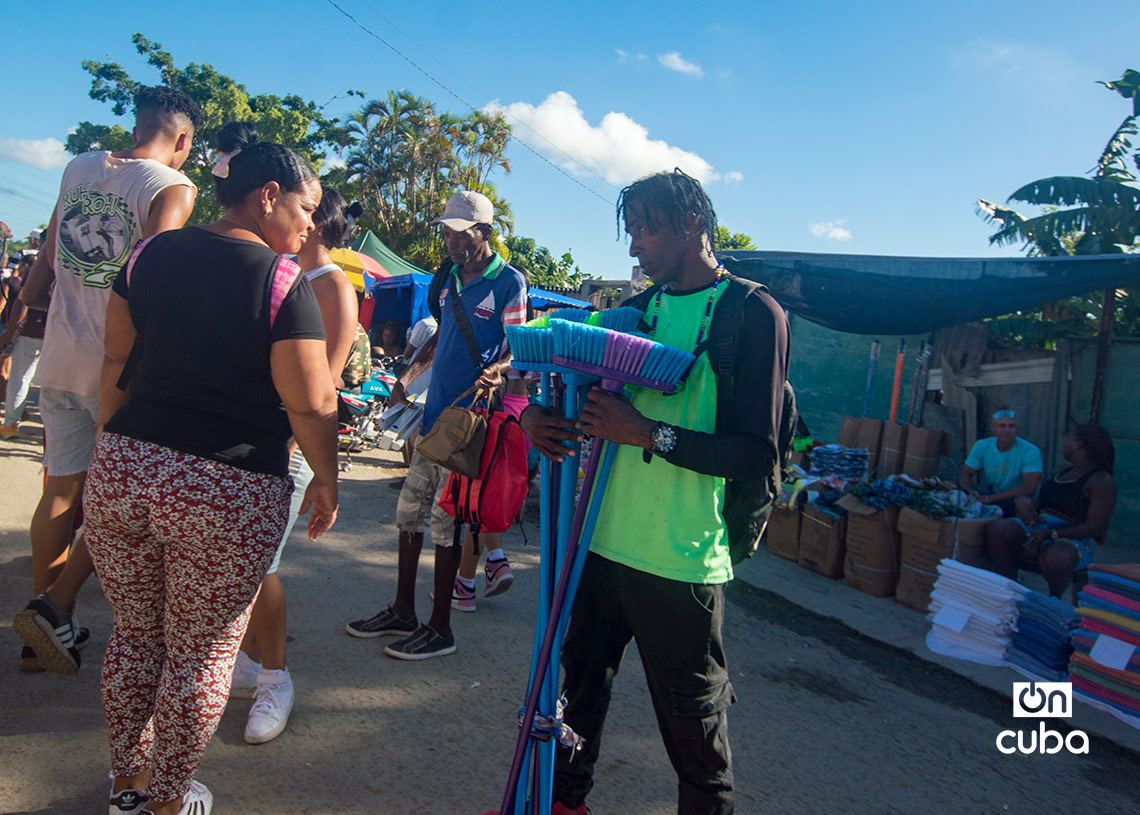
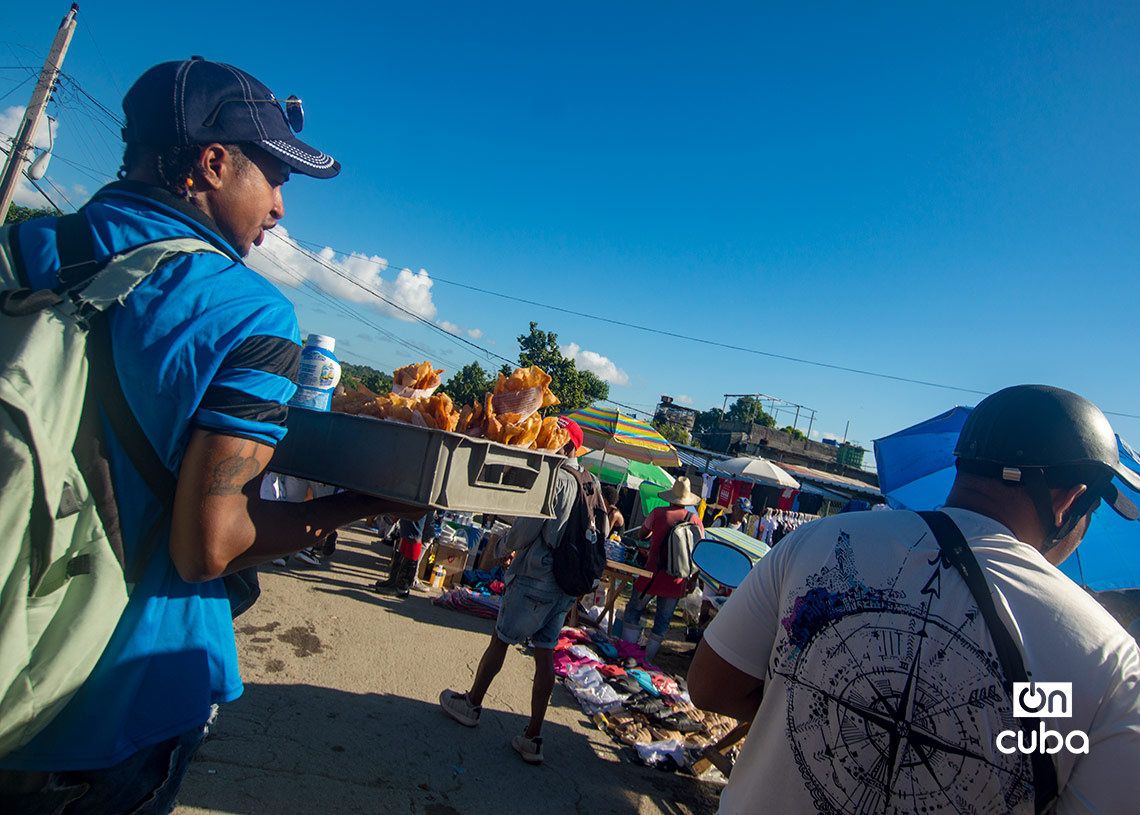
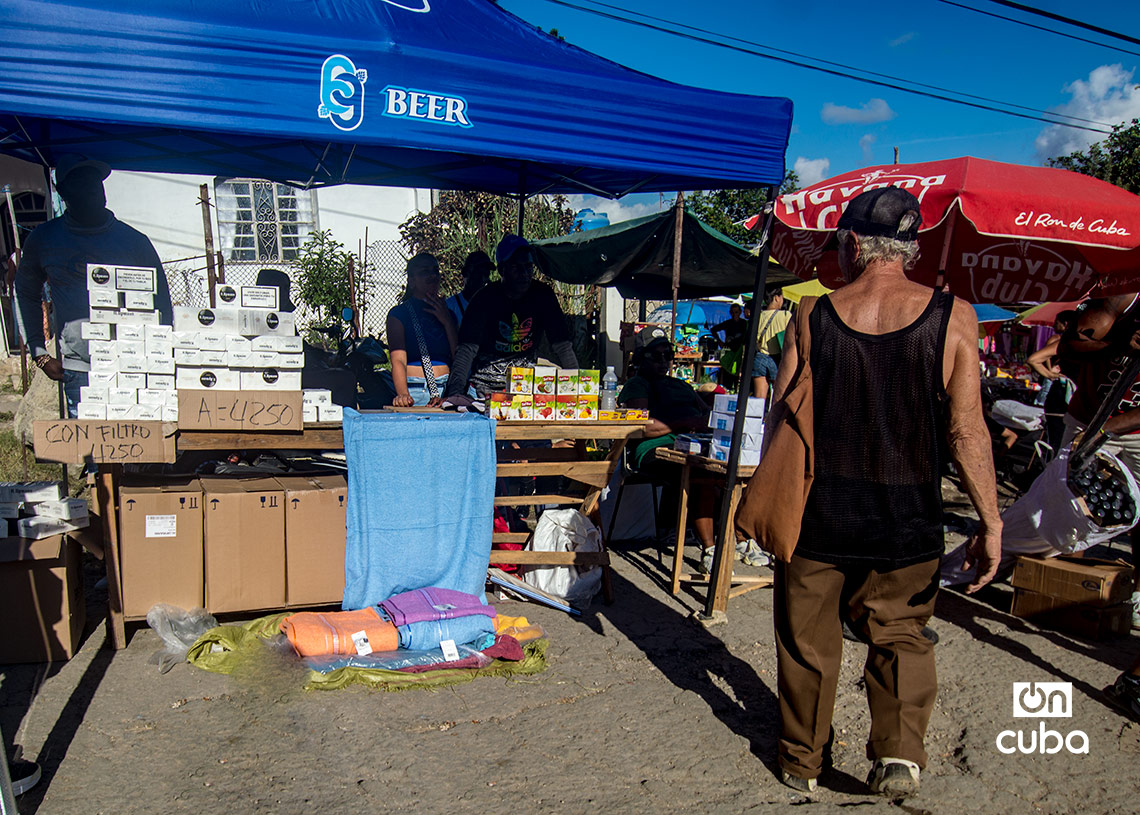
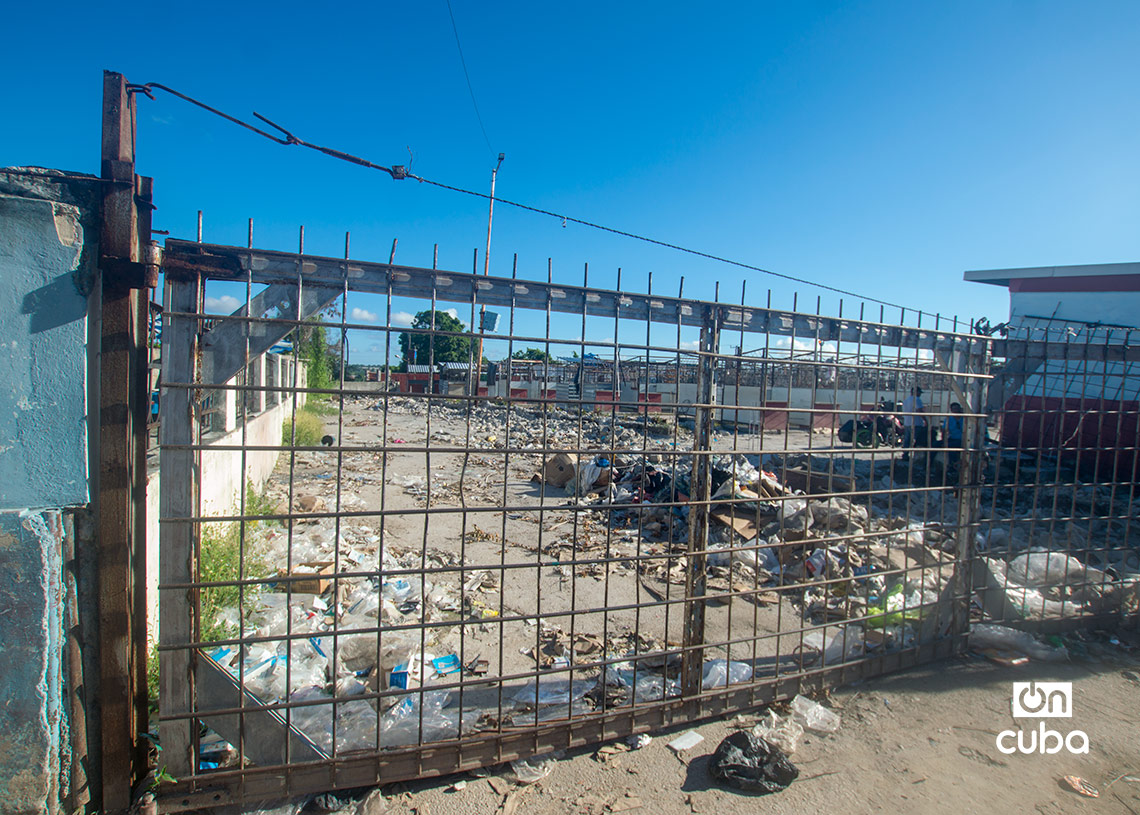
Even these streets went these days our photoreporter Otmaro Rodríguez With your camera. The photos they made show scenes of diverse life: people exposing their products, reshiers of repaired appliances, buyers negotiating with intensity and sellers attentive to each movement to preserve how little they have.
Each element of this chaotic urban landscape is a sample of resilience and adaptation, a reflection of how the Cuevita, still temporarily closed, remains a vital space of commerce for many families.
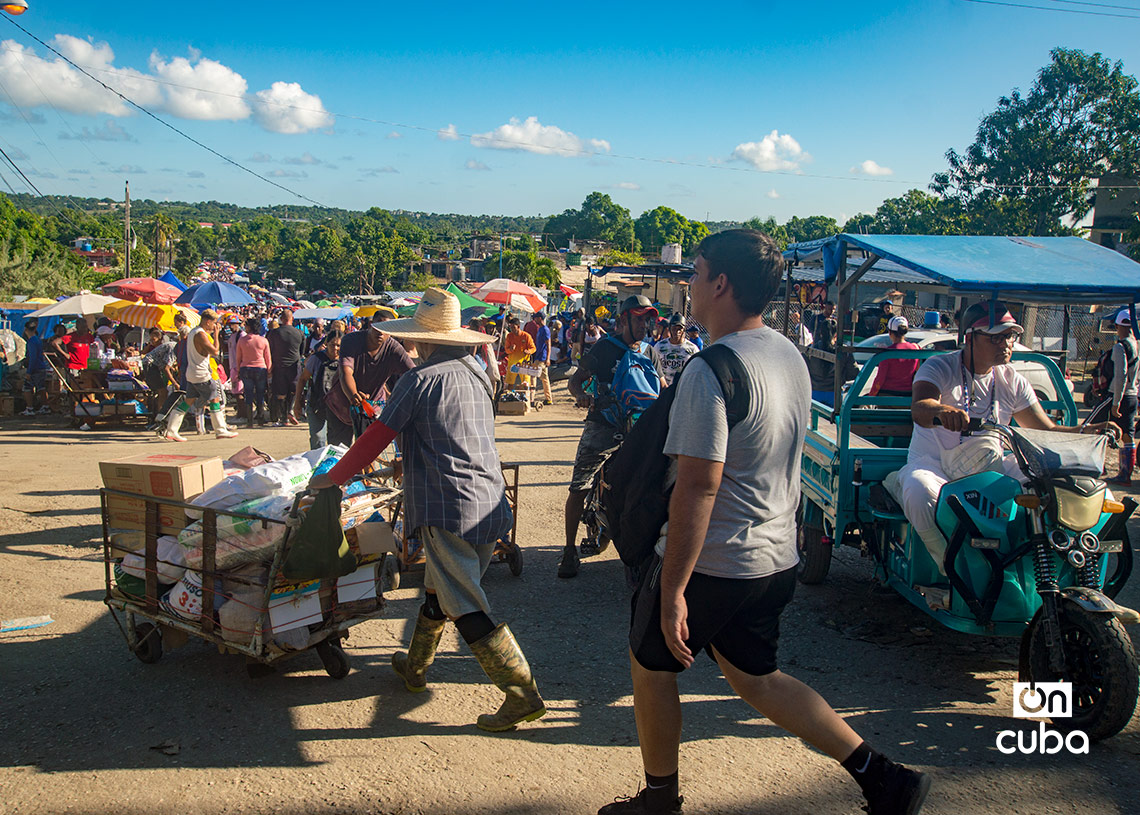
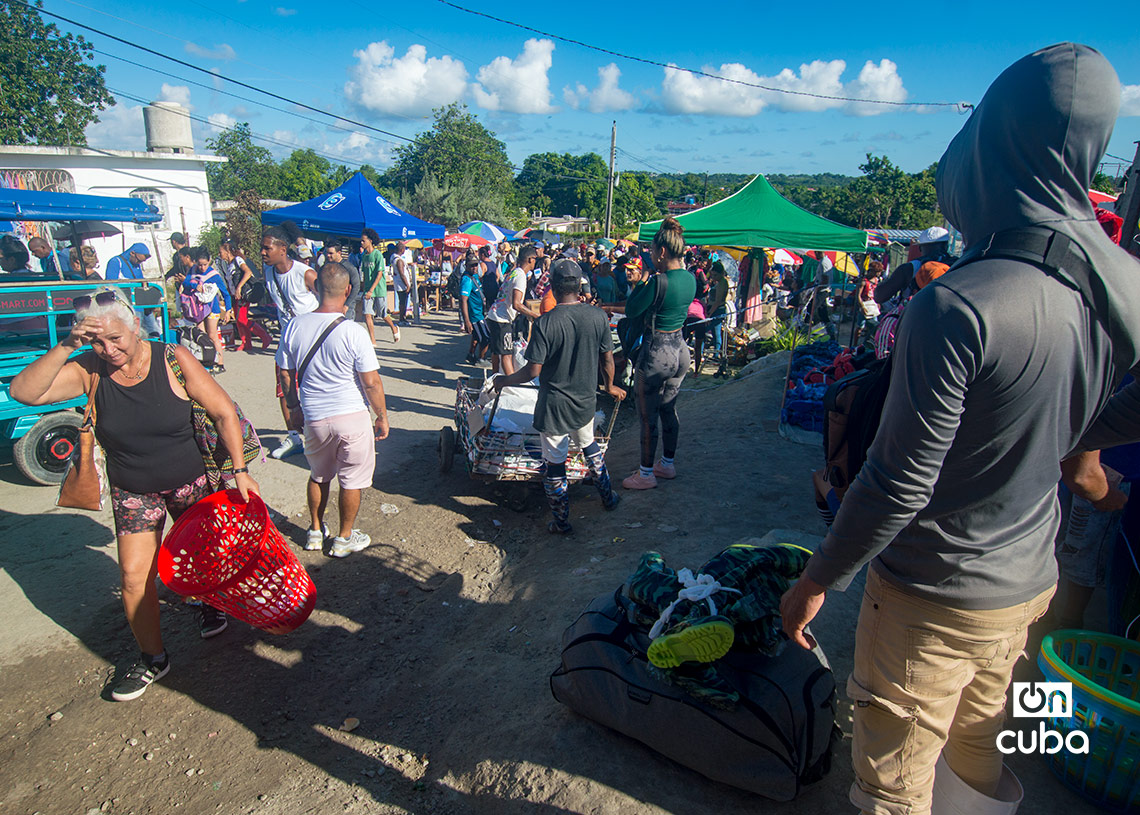
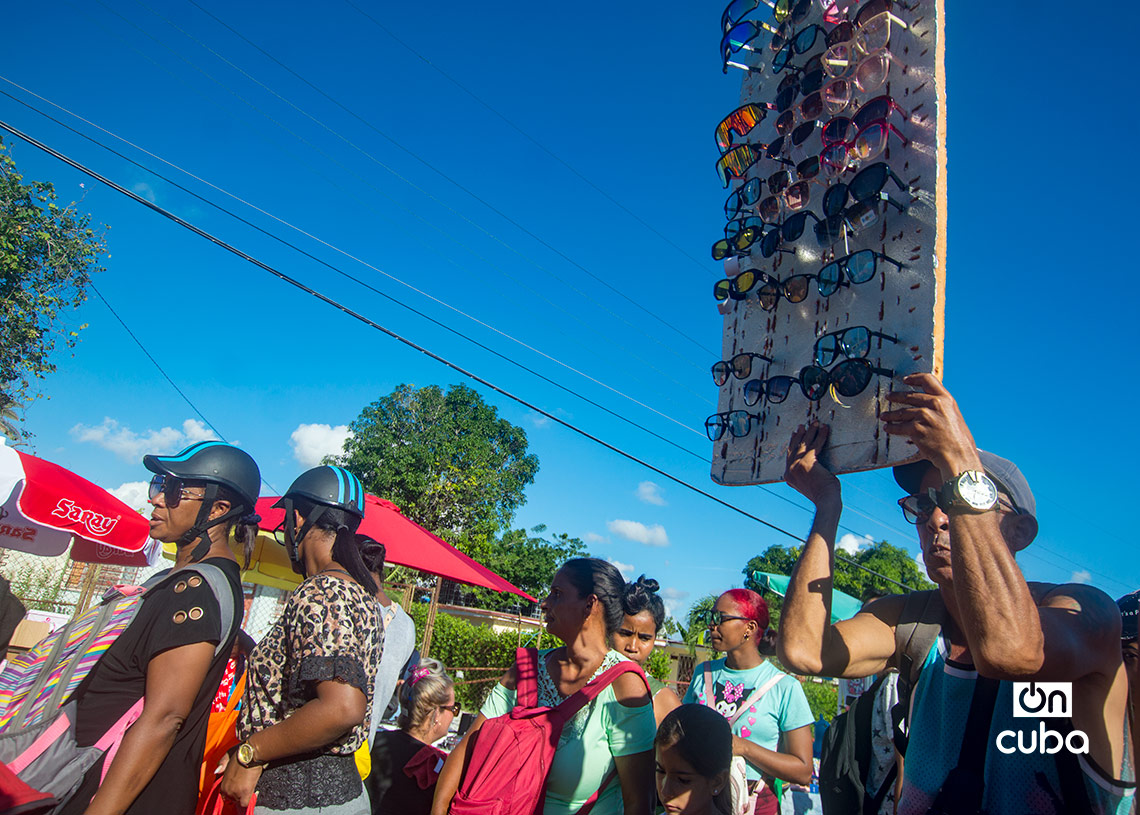
Despite the noise and apparent disorder, the economic heart of these streets continues to beating.
The Cuevita moved, it was transformed, but it has not disappeared as rumored.
In that persistent tide, everyday life continues to be woven. It is there where informality coexists with the need to survive and where the family economy finds its refuge, between platforms, makeshift shelves and the hope that sales soon return to their original home in better conditions.