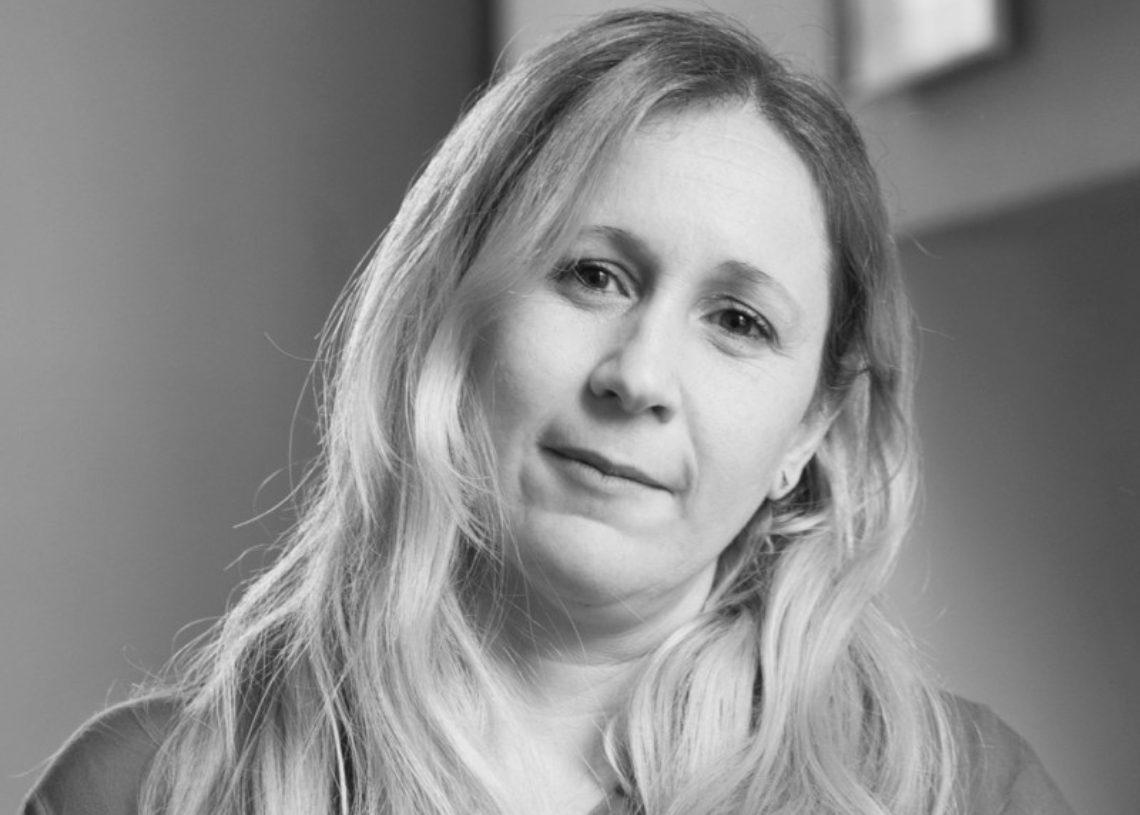
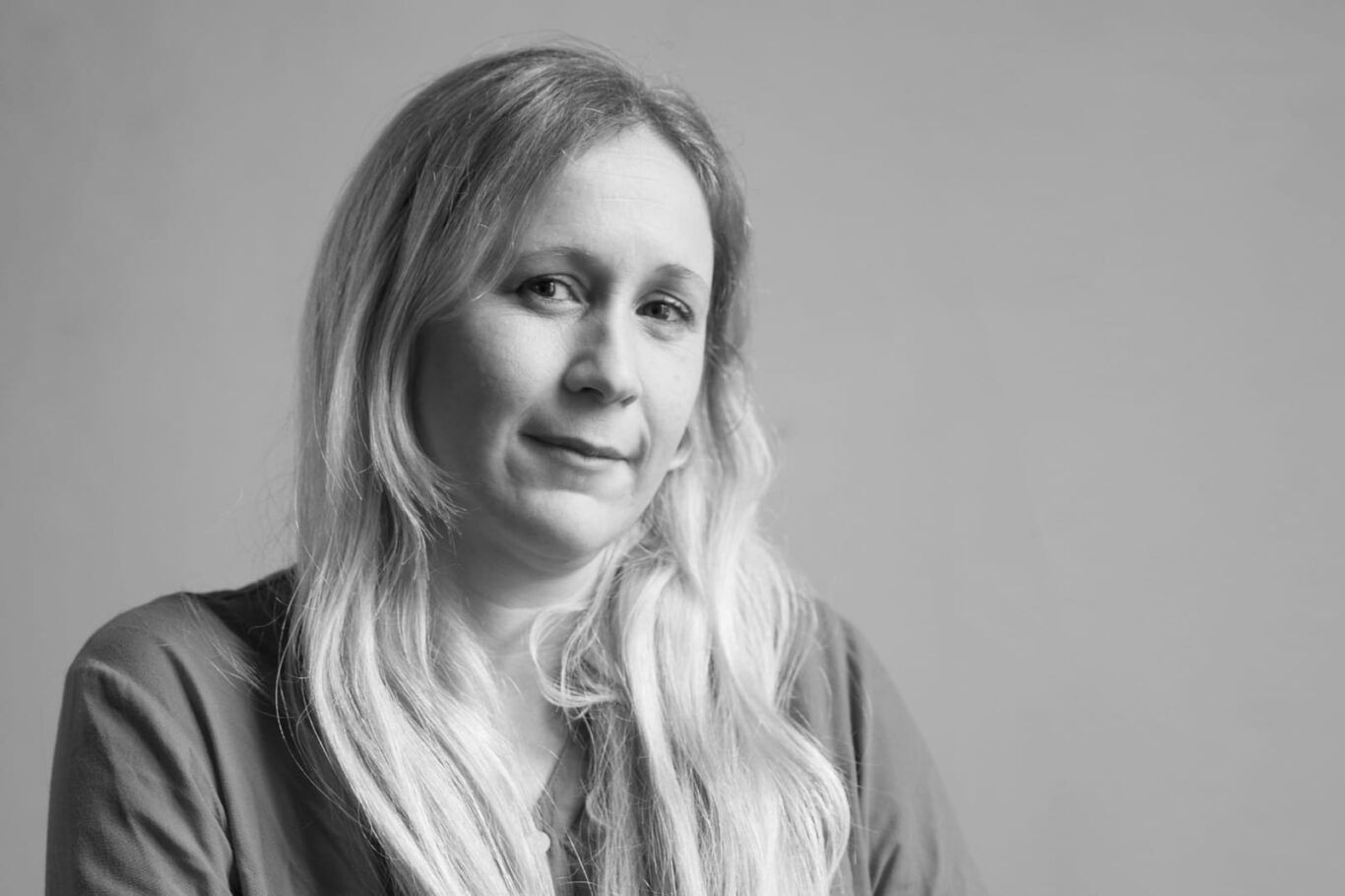
Dr. Janys Rodríguez Olivera is a very dear professional within the community of Cuban doctors emigrated in Uruguay, recognized both for his academic excellence and for his human commitment. Specialist in Legal Medicine and with a Master in Forensic Anthropology, combines his work as the Forensic of the Judiciary with teaching at the University of the Republic, training new generations of professionals and facilitating the revalidation of the title of foreign doctors in the country.
His passion for teaching, his professional ethics and his ability to accompany newly arrived colleagues make his work transcend the academic and become an essential support for those who begin their way in Uruguay.
When we talked, he spoke to me about his childhood in Cuba, his professional tour, his experiences in different countries in Latin America and the Caribbean, and the construction of a full life and career far from his homeland.
Born on December 1, 1985 in Havana, at the Daughters hospital in Galicia, she grew up in the San Miguel del Padrón neighborhood within a family that transmitted values of dedication and curiosity: her father, Nelson Rodríguez, mechanical engineer and “watchmaker” in Rolex and Citizen; His mother, Mirta Olivera, accountant, who after his birth was completely dedicated to his care and that of his paternal grandparents, who lived with them. He is a brother 10 years younger, also accountant.
Since childhood he showed a deep interest in sciences and judicial research, participating in provincial competitions of Physics, Chemistry and Biology, and developing a love for reading and analytical thinking, inspired by figures such as Jessica Fletcher and Agatha Christie. Despite being introverted and quiet, she learned to overcome personal challenges, such as dysgraphia and a slight dyslexia diagnosed while studying the pre -university at the Institute of Exact Sciences “Vladimir Ilich Lenin”, where he also strengthened his social skills and built friendships that still last.
These experiences, added to a family turn marked by her father’s serious disease during her last years of school, led her to decide to study medicine, convinced that she could combine her passion for science with a deep human commitment. Today, her work as a teacher of Legal Medicine, a key subject for the revalidation of medical titles in Uruguay, and her work as a forensic, consolidates her as an exemplary professional and a reference for other migrant doctors.
In addition to his teaching and forensic work, Janys Rodríguez Olivera was part of the group of doctors founded by the Society of Foreign Physicians in Uruguay (Somu), an organization aimed at joining and supporting foreign professionals in the country. Society seeks to strengthen professional training, continuing education and the defense of the rights of those who exercise medicine away from their homeland.
When did you start studying medicine?
I graduated from the pre -university Lenin in 2003 (29th graduation) and entered medicine with a very good ranking. There changed my life: I met friends who helped me a lot. During the race I was assistant to genetics and geriatrics; Giving teaching as an assistant student my love was born to teach. That helped me develop communicative strategies: being a teacher is not just knowing about the subject, but to reach each person. He has something in common with medical assistance, because a doctor should know how to connect with his patients.
Where does your link between medicine and law arise?
The link between medicine and law is in the same care act, from the basic principle of consent. Legal medicine is the link between both branches of knowledge, because it takes elements of each and merges them, establishing bridges that communicate them.
On the other hand, medicine is supported on legal basis, although the doctor in their daily actions does it automatically and often does not realize that it meets laws. It is important to remember that it is the obligation of doctors to be aware of the legislation where they exercise and that the ignorance of the law does not exempt from responsibility. Something that I always highlight: “Legal medicine has many gray tones.”
What is the culminating moment within the professional for a legist doctor?
It may be the satisfaction of contributing to solve a case, helping a family to obtain a closure or achieve some justice. In this specialty there are no elements Pathognomonic; An autopsy is not done again and many times we do not know all things, because legal medicine is polymorph and nourishes several specialties and sciences, heterogeneous in its purposes. Therefore, we often fail to obtain the whole truth, unlike what happens in television series (smiles).
Do you feel professionally done?
Yes. In the fifth year of the race, when I opted for legal medicine, I knew that this specialty had everything I liked: a mixture of several specialties, great demands of knowledge and is pure science.
Then, after making a specialist, I attended a master’s degree in Forensic Anthropology, something I felt I needed to expand my knowledge.
When did the possibility of emigrating?
In 2018 we began to think with my husband and in 2019 we started the visa application procedures to Uruguay.
Why Uruguay?
We did a study of the countries where both, as professionals, we could revalidate and exercise. We wanted it to be a quiet and stable economy. In January 2020 we came.
How were the early days?
At the beginning, as always, it was difficult. I worked as therapeutic assistant in UCM pulse. It was an experience with feelings found, but beautiful, because I met wonderful people who are now family for me. In addition, I understood how the health system worked. A friend who already lived in the country also supported us and opened the doors of his house.
And before that?
Before being a legist doctor I was a specialist in MGI and director of a polyclinic. I was also in newly graduated Venezuela; I felt that I had to help people. Ah, and I was in Haiti during the earthquake …
In Venezuela I said consultations in the Amacuro River Delta, it was a life experience! I even have a goddaughter with my name: I attended the mother in a very difficult birth. More than once I thought they would not survive, but in the end everything went well and the girl put my name. There I learned a lot as a person and as a doctor: I matured.
Was love for teaching arose at university?
I love teaching, communicating and accompanying. It gives me great satisfaction to know that I can contribute to the training of my students. I try to instill values that, in my opinion, every doctor must possess, such as the commitment to the profession and with the patients, without forgetting that we are biopsychosocial beings. I try to make them see that the medical-patient bond is essential in the healing process.
Unlike what some may think, I am Forensic but I have never lost my humanity. I try that my emotions do not interfere with my work. It may ever happen, but I try to always give my best.
In addition to your work as a teacher, what other activities do you do?
I collaborate as an external consulting expert in a law firm dedicated to cases of professional responsibility. Something that I always say: I do not make reports to please anyone; Sometimes it is not what the lawyer would like him to say, but it would be totally antietic to favor a part.
In addition, I collaborate with teaching institutions from other countries, such as Argentina, in medical-legal events.
What do you recommend to newly arrived colleagues in Uruguay?
Since I arrived I have seen that not everyone is just as a simple to insert and advance professionally. I feel that it is a duty to collaborate, not only in teaching. Sometimes something as simple as a process can be difficult, and that’s why I always try to help in everything I can.
This is a small country with great qualities, but emigrating is to be born again. It is difficult to feel here, but we are not there either. It is a process of personal growth and an act of value, and not everyone runs with the same fate. It is not “the country with open arms” that some pose: there are xenophobia, there are professional jealousy, but also many good people that help.
Everyone has their version of emigrating. I have not suffered much in my own flesh, but I have seen how others do it. That is why I try to support, accompany and transmit what is learned so that this “being born again” is easier.
From there Somu arises?
Yes, the Society of Foreign Physicians in Uruguay (Somu) He was born from a group of colleagues who understood the need for an organization that nucleated foreign doctors, regardless of where they came from. It is the result of the effort of that group, which made society a legal person and continues to consolidate its structure. The idea is to join forces in professional training, continuing education and defense of our rights.
Do you tell me anything about your personal life?
I am married 12 years ago with a computer engineer, who speaks “as a doctor” and has supported me unconditionally throughout this process. I have two dog children, adopted here; I love plants, I love listening to birds in freedom and enjoying silence. I still see detective series, although I find many defects (smile).
I love teaching, science and my profession. In the last three years I discovered a branch that I also love: the transplant area. I performance as a doctor and teacher at the National Transplant Institute, in the tissue area.