According to data from the Superintendence of Banking and Insurance (2022), only 13% of Peruvians have an adequate level of financial education, a figure that helps to understand why 86% do not have insurance. This reality has promoted companies as a peaceful to go beyond the development of traditional products and services, to address the lack of culture of prevention and knowledge of insurance.
To overcome this barrier, the company has adopted an innovative strategy: Edutainment, a fusion of education and entertainment that seeks to capture the public’s attention in an entertaining and effective way.
Strategic tool
Pacific Seguros has developed an ecosystem that seeks to transform issues that are usually perceived as complex or uninteresting, in attractive, playful and easy to consume.
Therefore, he launched a digital radiovela that seeks to raise awareness about the impact of an 8.8 earthquake in Lima called Lima 8.8: Earthquake alert with more than 4 million listeners and achieving behavioral changes in the adoption of emergency plans and backpacks; He also created the first podcast that seeks to eliminate the small print of insurance (clarifying concepts and explaining clearly and simply how they work) called in large letters and that in its third season achieves more than 500,000 visualizations per episode; as well as the salty and pineapple web series that uses everyday characters and situations to illustrate the importance of insurance against unforeseen, reaching millions of people per season. All this evidencing the effectiveness of this approach.
In addition, virtual courses, made with artificial intelligence, to respond to the different needs and concerns of people. As a result, Pacific certified with risk prevention content to more than 250,000 people in 2024 and for this year they seek to reach 500,000 trained in prevention measures.
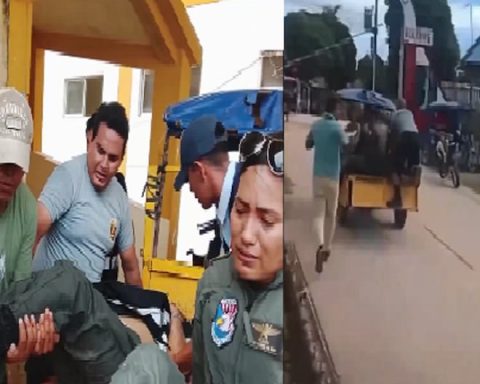
Another relevant program in the company’s education strategy is a safe community, aimed at promoting a culture of prevention against nature and unexpected events in vulnerable populations. In the last four years, more than 5,000 community leaders have been trained and since 2024 a program has been developed in Villa María del Triunfo managing to take training to the seven areas of the district and generating an impact on more than 100,000 people who are now better prepared to face adverse events. All this to generate a greater culture of prevention and preparation.
Resilience and prevention
And as part of that objective, in 2024 Pacific developed the country resilience, a document that shows how resilient Peruvians are. This index measures three components: risk awareness, prevention measures and recovery mechanisms.
The result was that we are not as resilient as we believe. On the 100 -point scale, as a country we obtained only 29.7 and, if we take it to people, despite the fact that 30% of Peruvians are perceived as resilients, in reality just 6% it is.
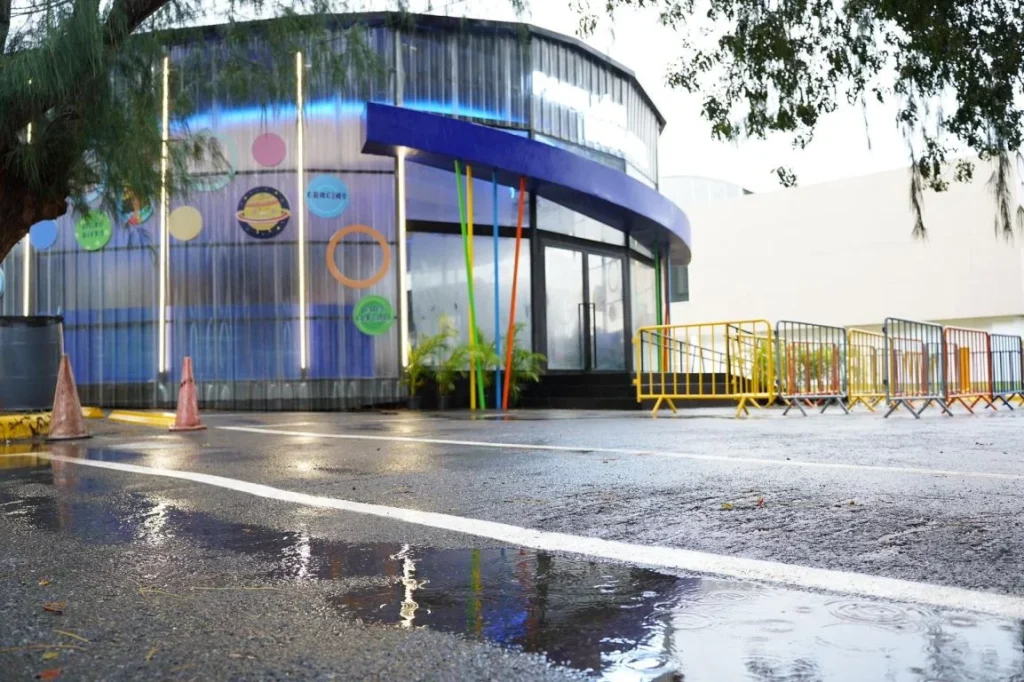
Given these results, Pacific enhanced their strategy to focus on these fronts, carrying their Eduinment strategy beyond digital: performing actions in face -to -face format for high -transit public spaces. And as part of those actions, this month has developed the “resilience calculator” that allows each person to know their level of resilience and improve their indicator with courses and recommendations.
All these actions reaffirm the company’s commitment to education and sustainability, in tune with its aspiration to make Peru the most protected country from Latin America to 2030, and thus have a resilient society.
Recommended video