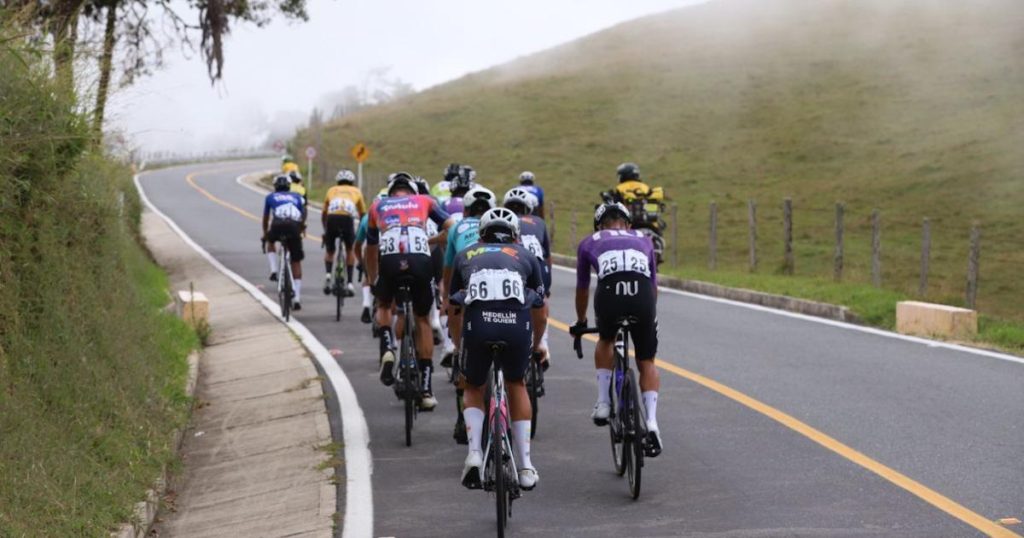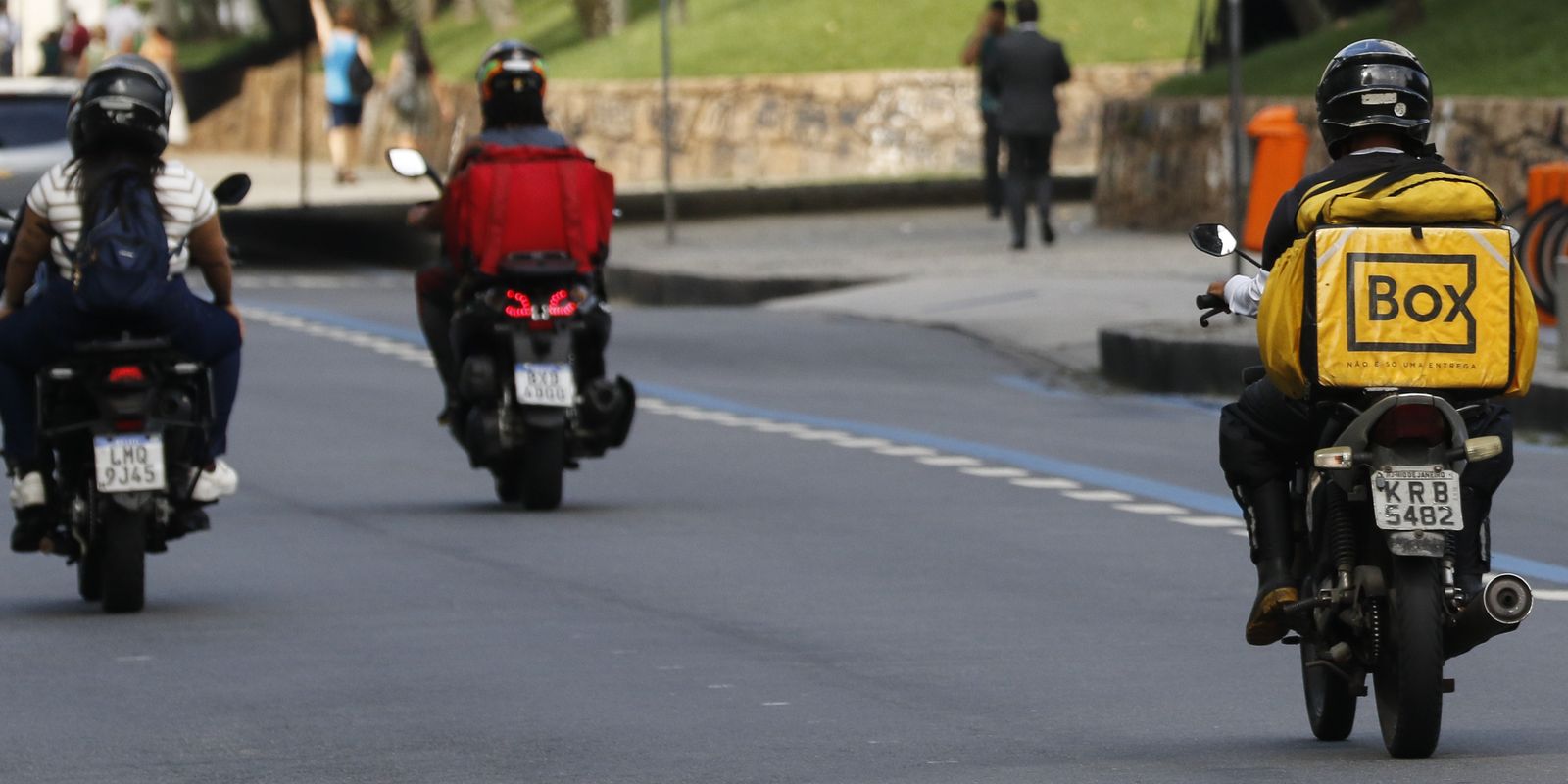
The number of people working on transportation and delivery applications increases each year in Brazil. Between 2015 and 2025, while the occupied population in the country grew about 10%, the number of workers by applications increased by 170%, from around 770 thousand to 2.1 million.
The Central Bank presented, on Thursday (25), calculations that try to describe the impact of applications on the market and work in Brazil, imagining scenarios with and without the platforms. The analysis is in Monetary policy report for the third quarter of 2025. The results suggest that this phenomenon of application use had an impact on the rate of participation in the workforce, the level of occupation and also on the unemployment rate.
One of the exercises proposes three scenarios, assuming that the platforms do not exist:
- Those who work for apps today would have sought jobs but unsuccessfully became unemployed.
- These people would not even have sought an occupation and would have passed directly out of the workforce.
- An intermediate situation: part would have got another occupation and no part.
In the three scenarios, occupancy levels are affected. The unemployment rate would increase, for example, between 0.6 and 1.2 percentage point. Currently, the unemployment rate is 4.3%. This means that, disregarding applications, unemployment would rise to up to 5.5%.
>> Follow the channel of Brazil agency on WhatsApp
A second exercise proposes a calculation to estimate the relationship between application growth and the evolution of the occupancy level. The estimates presented by the BC suggest, in this case, that the applications did not take workers out of other occupations, and that most of their workers were outside the job market.
The BC then concludes that the advent of work through digital platforms “represents a structural change in the labor market, which contributed to the greater entry of people in the workforce and occupation, with positive effects on the main indicators. Extraordinary growth in the amount of applications has resulted in increased occupation level and the rate of participation, as well as a reduction in the unemployment rate”, says the analysis.
Weight in the economy
Data from the National Continuous Household Sample Survey (Continuous PNAD) used in the analysis show that, despite the significant growth, the participation of transportation applications workers is relatively small: it went from 0.8% to 2.1% of the occupied population, between 2015 and 2025, and from 0.5% to 1.2% of the age population (14 years or older) in the same period.
Applications, from 2020, became part of the National Consumer Price Index (IPCA), a measure of inflation used as a reference in the target system for Brazilian inflation. In August 2025, the weight of the IPCA application transportation sub -items was 0.3%, while, by comparison, the weight of the air ticket was 0.6%.
“The use of telephone and internet applications to hire personal transportation and delivery services has emerged about a decade ago and has since grown and became relevant to the Brazilian economy,” says the BC.
Precarious work
Although they raise occupation indicators, applications are also responsible for the precariousness of work. Fairwork Brazil’s report shows that none of the main applications have been able to highlight the fulfillment of minimum decent work standardshow to offer fair compensation.
The study platform and precariousness of the work of drivers and delivery in Brazil, from the Institute of Applied Economic Research (IPEA)goes in the same direction and shows that Applications -mediated work resulted in longer working hours, lower social security contribution and a strong drop in the average income of these workers.
According to the survey, between 2012 and 2015, while the total of autonomous drivers in the passenger transportation sector was about 400 thousand, the average yield was around R $ 3.1 thousand. In 2022, when the total occupied was approaching 1 million, the average yield was less than R $ 2.4 thousand. The proportion of these workers with hours between 49 and 60 hours per week went from 21.8% in 2012 to 27.3% in 2022.
Already the percentage of passenger drivers who contributed to social security went from 47.8%in 2015 to 24.8%in 2022, according to the same study.