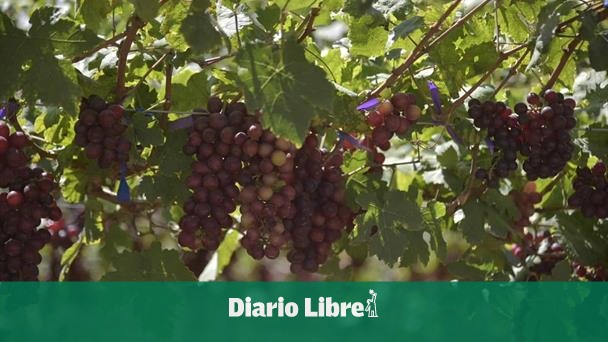
In the agriculture –As in all productive activity– access to financing It is decisive to guarantee profitability of the producers, an aspect that becomes even more vital for those who live in the border provincessince they house communities with higher levels of poverty and vulnerability than in other areas of the country.
Despite this reality, the resources that come there are very limited: by 2024, the Agricultural Bank He had lent 1,868.1 million pesos to producers. Although it seems an amount raised to the naked eye, this is only 6.8 % of the total credits nationally for agriculture.
According to the report “Monitor of the Border“, recently published by the Ministry of Finance and Economicsstill farmer who lives in the border They can lend about 19,579 pesos, but for the rest of the country’s farmers, the average is around 23,563 pesos, 17 % more.
This difference in the financing could be linked “to a lower valorization of floorlimited financial infrastructure or greater risk perceptions by the institutions of credit“The analysis points out.
More land, more money
Like the agricultural land It is often used as warranty In case of default, the size of the land affects access to the credit.
Montecristi and Dajabón They are two of the border provinces with the greatest area of land for agricultural work, and these absorbed most of the credits granted last year: Montecristi With 764.9 million and Dajabón with 348.8 million pesos.
Other smaller communities, such as Neiba (Bahoruco) and Commander (Elías Piña) presented lower amounts at 240 million pesos.
The border area As soon as it covers a fifth of the agricultural land from all over the country, in which only 10.5 % of floor It is intended to agriculture.
He study underlines the need to implement strategies that encourage the investmentapplying territorial criteria that facilitate the Equitable access from producers to financing.