Although Minsap talks about eight critical cases, local testimonies point out more sick, unrecognized deaths and a health system overflowed with the epidemic.
Madrid, Spain.- The Ministry of Public Health (MINSAP) recognized this week a rebound in severe dengue cases in the country, with at least eight patients admitted to intensive care rooms, seven in serious condition and one in critical condition, according to Dr. Francisco Durán García, National Director of Epidemiology.
According to the data released by Durán in the Informative of the Caribbean Channelthere are already eight provinces with active transmission, including Guantanamo, Santiago de Cuba, Holguín, Sancti Spíritus – where the Trinidad municipality was recently incorporated – and Matanzas, which is going through a particularly strong crisis in localities such as Cárdenas, Perico, Jovellanos and Columbus. Cases are also reported in Havana.
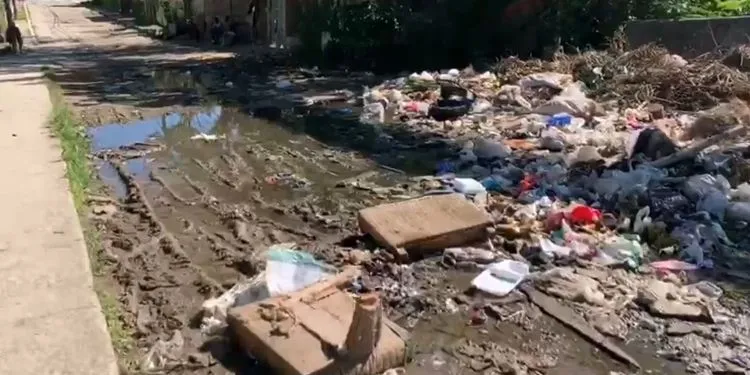
The official attributed the expansion of the outbreak to the recent rains and the proliferation of domestic farms of the Aedes Aegypti mosquito. However, in the street complaints point to state inefficiency in sanitation and fumigation campaigns, to the shortage of insecticides and the disappearance of medical investigations that in other times allowed to detect symptoms in time. All this added to the landfills of garbage that grow in almost all the streets of the country.
“A mosquito is raised even in the lid of a bottle,” Durán acknowledged, insisting on the removal of water tanks. But for many families, the lack of stable supply forces to store water in unhealthy conditions, which multiplies the risk.
The official admission confirms what citizens have denounced for weeks in different provinces: an accelerated increase in infections, hospital saturation and the precariousness of basic resources to face the epidemic.
According to citizen complaints, a child died this month in Sancti Spíritus for hemorrhagic dengue, and independent media have reported other deaths in matanzas with compatible symptoms. However, the authorities do not offer mortality figures, maintaining an informative opacity that feeds citizen distrust.
The health crisis is aggravated by the circulation of other arbovirus: the oropouche virus, present in 11 provinces, and the Chikungunya, located in Matanzas. Meanwhile, doctors in affected areas confirm that they can only prescribe palliative as paracetamol, when available, and send many patients home despite the risks.
In this context, Durán’s admission marks late recognition of the seriousness of the situation. But without transparency in the figures, without adequate resources in hospitals and without an effective sanitation plan, dengue undress again the inability of the regime to protect public health, while Cubans face alone the spread of diseases that could be prevented with responsible management.














