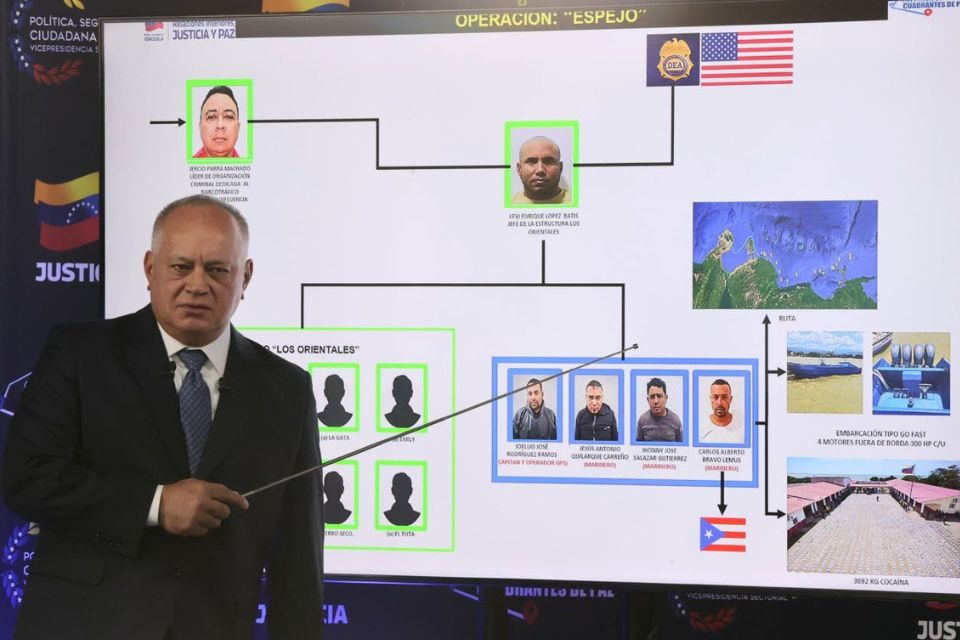
Interior Minister, Diosdado Cabello, reported on the capture of four men with more than 3,600 kilos of cocaine and pointed out as responsible for the shipment to an alleged agent of the DEA. He also questioned the US for talking about a supposedly loaded boat with fentanyl, which would have left the country
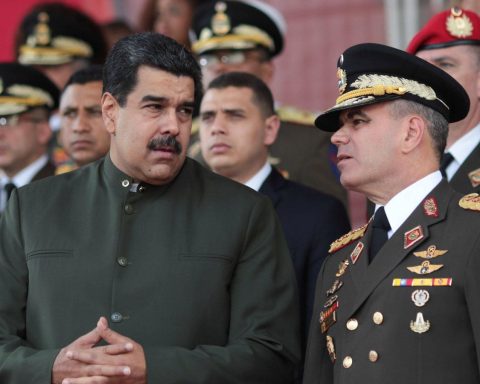
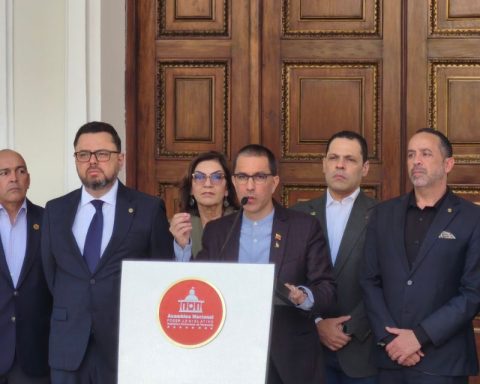
The Minister of Interior, Justice and Peace, Diosdado Cabello, denounced on Wednesday, September 17, an alleged operation by the drug control administration (DEA), in Venezuelan waters, for, he said – to involve the country with drug trafficking. He said it would be “a false flag operation” with the intention of “accusing Venezuela of any barbarity.”
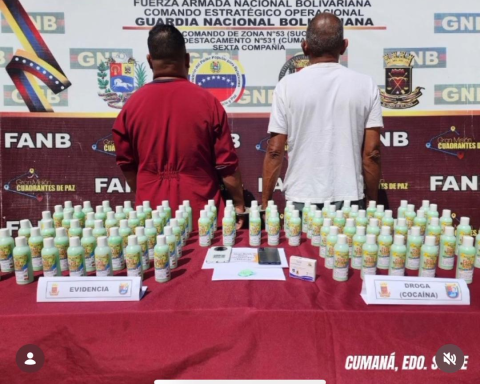
He indicated that four citizens were captured by transporting 3,692 kilos of cocaine at dawn on Monday, September 15. The men were identified as: Joeluis José Rodríguez Ramos (Captain and GPS Operator), Jesús Antonio Quilarta Carreño (sailor), Jhonny José Salazar Gutiérrez (sailor) and Carlos Alberto Bravo Lemus (sailor), the latter allegedly spent seven years in Puerto Rico by drug trafficking. He said that this cargo of drugs came out from Colombian territory.
As the United States has done, Cabello showed a video, during a press conference this Wednesday, September 17, «recorded in full operation. With a real, verifiable story »with the capture of the four men and said that” Venezuela has complied with all the established protocols. ” He insisted: «We do not kill them because we do not have the power to kill any person, (from) apply death to anyone. We are a responsible government with anti -drug operations, proven efficiency ».
In that sense, the also sector vice president of Politics, Citizen Security and Peace specified that in the boat, of four horsepower (300 each), approached, they found 100 bags of cocaine hydrochloride, a satellite phone, two smartphones, two radio radio, a GPS and 2,400 liters of fuel in 28 pipotes.
Diosdado Cabello said that The owner of that drug is a man named Levy Enrique López Batiz, whom he pointed out of being “Agent of the DEA and drug trafficker” And he linked it to a citizen, who did not specify citizenship, called Gercio Parra Machado, who indicated operates in the Colombian Guajira.
“The competent courts and the Public Ministry, based on the arguments and the testimonies of these gentlemen, will make the corresponding accusations,” he said.
Does it circulate or not fentanyl in the country?
The Interior Minister spoke two days after the president of the United States, Donald Trump, informed about the attack on a second “narcolanche”, which allegedly carried cocaine and fentanyl, and the destruction of a third boat and said: “One does not know. They say that was getting drugs, but who saw the drug? They say that Fentanilo was carrying, the second, from here from Venezuela, Fentanilo?, Very complicated to believe ».
In the opinion of Diosdado Cabello, the US should “look for more than credible or tell the world that what you want is a regime change in Venezuela.”
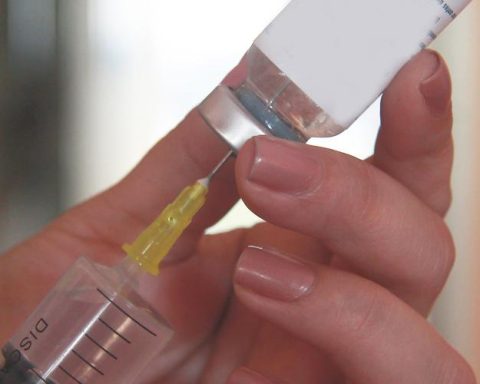
Although the minister denied that in the country, fentanyl traffic has ever been found, it must be remembered that in the year 2023, the Táchira governorate reported that the authorities of the entity They arrested a man with “45 portions of fentanyl”. At that time Governor Freddy Bernal said it was the first confiscation of that type of drug that was carried out in the country.
In that same year, the authorities of Portuguesa and Vargas also announced the arrest of several people for trafficfish. Three men and a woman in Guanare, the director of the Dr. Miguel Oraá University Hospital in Portuguese and another 40 -year -old man in Vargas for trafficing nine fentanyl ampoules and 718 grams of cocaine.
Then, in June last year, the National Guard said they arrested five people in Zulia for traffic 36 fentanyl ampoules.
On the other hand, Cabello referred to the approach by an American vessel to a fishing boat and pointed out: “They want (USA) to sow drug to a Venezuelan vessel” and said that with the deployment of war boats by Donald Trump in the Caribbean, “fishermen from anywhere in the world, which are in the Caribbean area, they”.
*Journalism in Venezuela is exercised in a hostile environment for the press with dozens of legal instruments arranged for the punishment of the word, especially the laws “against hatred”, “against fascism” and “against blockade.” This content was written taking into consideration the threats and limits that, consequently, have been imposed on the dissemination of information from within the country.
Post views: 551