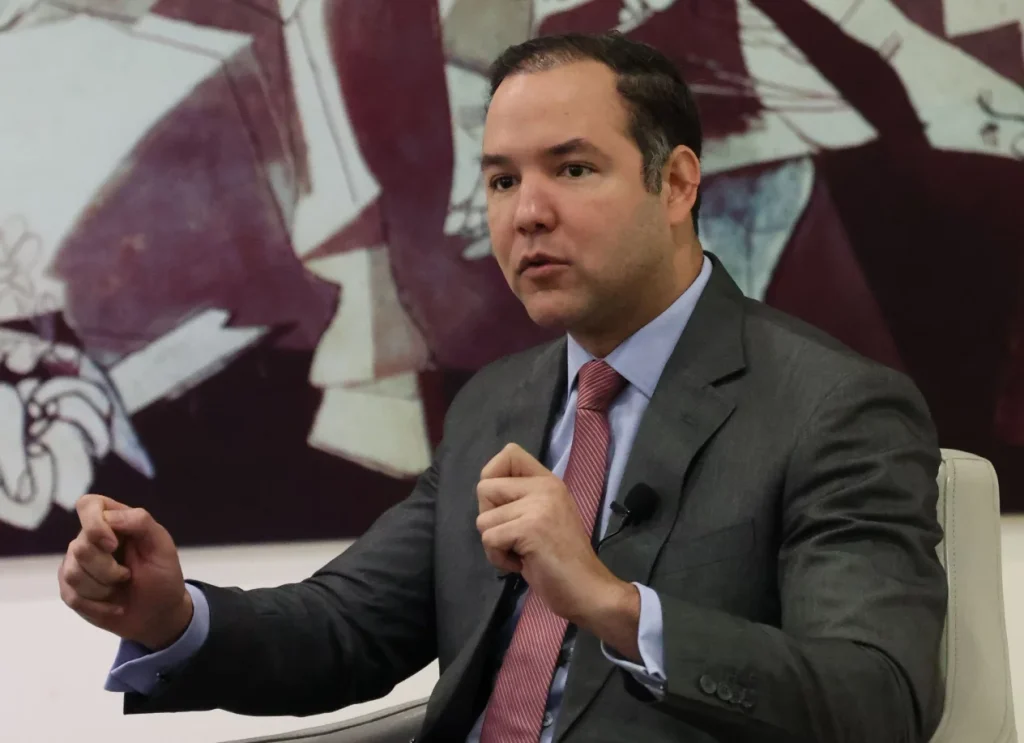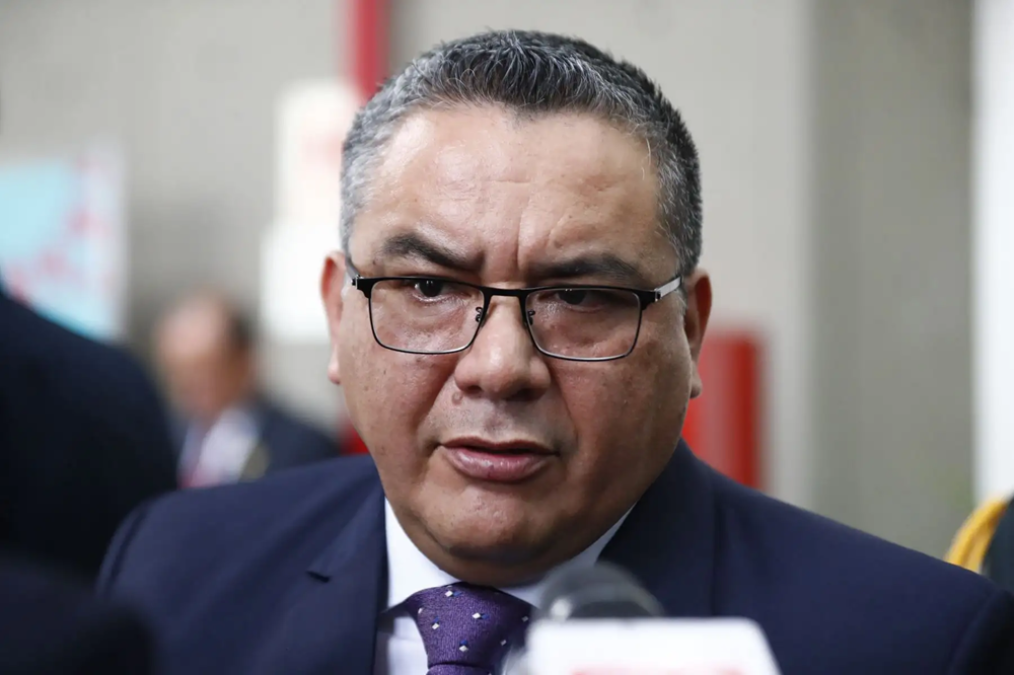
Minister Juan José Santiváñez He did not appear at a key fiscal diligence for an expert opinion that seeks to corroborate his voice within the framework of the investigation that is followed by alleged influence peddling, according to information from the research journalist Karla Ramírez.
His absence occurs in a context of serious scandal, after multiple Sundays revealed that he served as a defense of a criminal and promised his release in exchange for US $ 20 million and through a call to the premier Eduardo Arana.
In this regard, prosecutor Danny Humpire, with experience in Forensic Sciences, detailed the crucial steps for a valid audio expertise in the judicial field, underlining the importance of the integrity of the evidence to prevent cases from falling. According to Humpire, who claimed to be the creator of the phonetics and acoustics guides of the Public Ministry, the scientific process must follow a series of strict steps, starting with the preservation of the chain of custody.
🚨 Case El Diablo: What Santiváñez did not say 🚨
The Minister of Justice, Juan Santiváñez, did not say that today (15/09) he had to go to fiscal diligence for the delivery of voice sample in the devil case. Santivañez did not go to the vital diligence for the expert opinions that officially corroborate … https://t.co/ssn6O9xpdl pic.twitter.com/avti13mom4
– Karla Ramírez Camarena (@ninasunqu) SEPTEMBER 16, 2025
The process begins when a complainant delivers the original recording device (such as a cell phone or a recorder) to the Prosecutor’s Office or the Police. This device must be sealed and can only be open in the presence of lawyers from all parties involved. Otherwise, if the prosecutor opens it alone, he commits a serious crime that pollutes the evidence and breaks the chain of custody.
Once open, a forensic digital expert extracts the information with specialized software. It is essential that extraction is limited to the expert object of the investigation, without invading the privacy of the owner of the device. By extracting the files, a code is generated and the metadata is analyzed (hidden information about the file, such as the date and the device of origin). This is crucial to confirm that audio is a source of original origin and not a copy or manipulated file.
The acoustic phonetic expert takes the original audios and compares them with a voice sample of the person involved, obtained from previous audiences or interviews. The guide establishes that at least 15 seconds of recording are needed to carry out a correct homologation. The conclusion of the expertise is expressed in terms of probability (high, medium, low) that the voice belongs to the person, and never as a categorical statement. In addition, the expert also analyzes the context of the conversation to determine if it contains an illicit act, since the authenticity of the audio is not enough if there is no crime.
Prosecutor Humpira emphasized that forensic science can detect whether audios were manipulated or generated with artificial intelligence (AI) by analyzing metadata.
Recommended video