The largest biobanco in Latin America
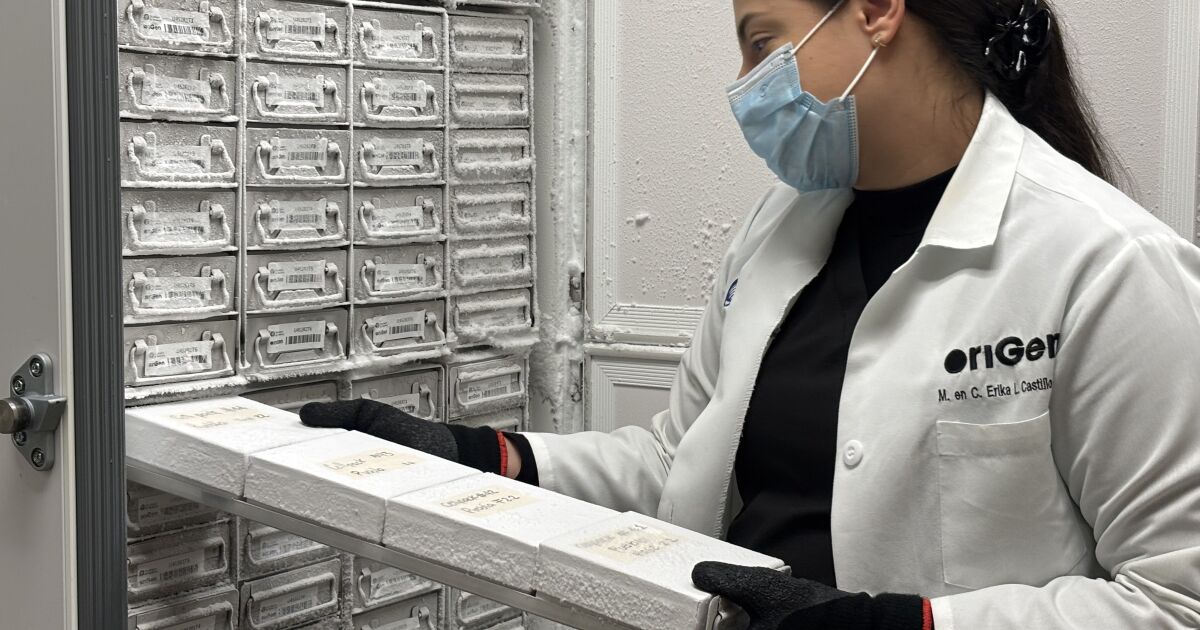
With an initial investment of 300 million pesos, The origin project has already sequenced the first 1,500 samples. They did it in two laboratories of the Zambrano Hellion hospital in Monterrey, Nuevo León.
The company Regeneon Genetics Center It will process the rest of the samples. Once the robot normalizes the tubes with the same amount of DNA, they are sent to the United States, where the company’s headquarters operate.
(Photo: Dulce Soto/Political Expansion)
The goal is that in eight months there are 100,000 analyzes (each equals 1.5% of the genome of a human) and 10,000 complete sequencing. The exom is the part of the DNA (exons) that contains the instructions to manufacture proteins. It serves to identify mutations that cause disease.
So Origin is projected as the largest biobanco in Latin America, that is, a huge repository of human biological samples for medical research.
“The genetic diversity that we are going to have is much broader than any other study that has been done in this country, of this nature. I think it positions us in Latin America.”
Pablo Kuri, Director of the Origin Project.

(Photo: Tec Salud)
Until now there was a similar work: the Mexican biobanco, of the Center for Research and Advanced Studies (Cinvestav) of the National Polytechnic Institute (IPN).
This project collected biological samples and biomedical data of 40,000 adults from the 32 states; He made 6,000 samples DNA analysis and sequenced the complete genome of 50 individuals. In 2023 the results were published in the magazine Nature, They threw 1.8 million genetic markers.
It is for them, that the origin project has good omens. It will be the most representative genomic database of the Mexican and Latin American population. It is expected that it also contributes to closing knowledge gaps about the human genome, because currently only 1% of genetic information is on Latin population.
origin closes its first stage to give rise to one of the most important advances in Mexico’s medicine 🧬
Thanks to 100,000 Mexicans, this project of @Tecsaludmx It will become a true surgery for the health of our country. pic.twitter.com/onsqqxibp9
– Technological of Monterrey (@TecdeMonterrey)
SEPTEMBER 13, 2025
DNA and diseases
Many genetic variants related to diseases are found in the exams and the origin project wants to discover them, as did another Mexican study of 2019, which he found A gene present in the American natives associated with diabetes mellitus.
The team intends to expand knowledge with many other diseases.
“We do not think that this has a limit. As long as it continues to be analyzed, this project will have a long life,” says Rocío Ortiz, in charge of biorepository in the origin project.
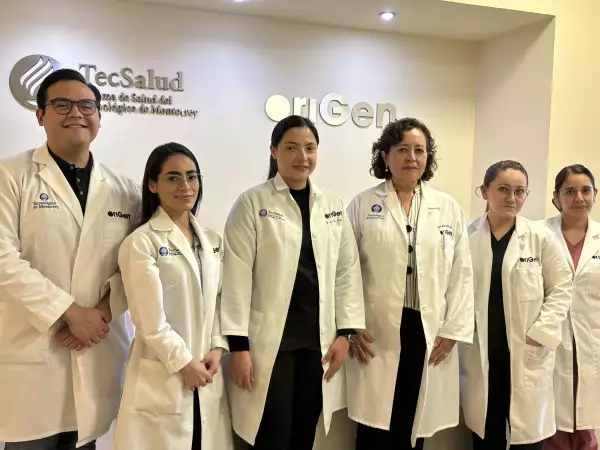
(Photo: Dulce Soto/Political Expansion)
When ready, genomic analysis will cross with the clinical and epidemiological information that the project collected. In addition to the blood sample, a questionnaire of up to 700 questions was applied to each participant. They were measured by their body composition, glucose, lipids, triglycerides, weight and size.
“In those who have type 2 diabetes already diagnosed, we will see what genes they have, what their genes tell us, to see if any variant is presented more in them than in those who do not have diabetes,” explains Kuri, Undersecretary of Health in the government of Enrique Peña Nieto.
“And I give that example because diabetes is one of the most prevalent diseases in Mexico; but we can do it with many others, because there were also a history of infarction, mental health issues, food. That is, there is a lot of information that must be contrasted with what the genomics or genetics tell us,” he says.

(Photo: Dulce Soto/Political Expansion)