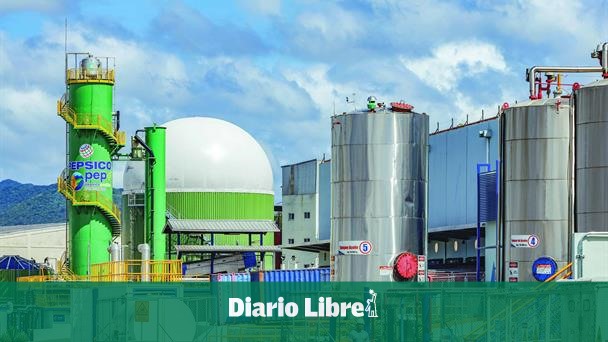
The multinational Pepsic yesterday presented to the Dominican authorities the installation of a system of Biodigestion In its facilities of the Dominican Republicwith which they will process the Organic waste of potatoes and bananas – part of the raw material for the elaboration of snacks under the fried brand Lay and Lay´s – to produce Clean energy which will be reused in its operations.
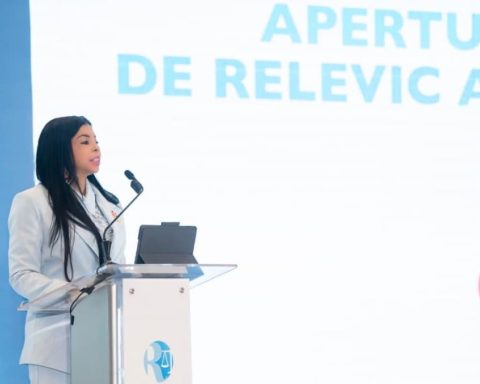
With one investment of 498 million pesos, this Biodigester represents the early infrastructure of its type installed by the company in all Latin America and the fourth in the world according to the Executive Director (CEO) of Pepsic in Latin AmericaPaula Santilli.
He stressed that the system has the ability to produce up to 20 % of the energy which consumes the company currently in the country.
He Biodigester may process more than 3,200 tons of Organic waste and sludge.
These, once processed, will produce Biogasa source of energy renewable from which more than 280,000 kilowatts of energy per month, which will strengthen the renewable matrix of the companywhich already has more than 3,000 solar panels installed.
An answer to the lack of energy
During the opening ceremony, Santilli explained that this decision was made by trusting the climate of investment of the Dominican Republicand as an answer to the lack of energy.
“We cannot continually miss with quality-product when the energy It is cut and, at the same time, with the high energy cost. This comes to help us reduce consumption, “he said, after highlighting the benefits of reusing the Organic waste of the food with which they do their products. “This gives us a circularity Incredible, “he said.
Human capital
He stressed that the company has that Human talent Dominican “Learn to use a New technologyto full “, so that they then contribute to training others in Mexico and Colombia, the next two destinations in which the company projects to do one investment similar.
“That know-how is going to stay in Dominican,” said Santilli, and said the Strategic locationhe human capitaland good practices motivated them to make this decision of investment.
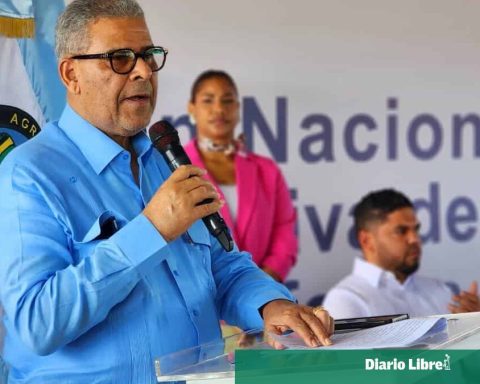
When intervening at the inauguration, the Minister of Industry, Commerce and MSMEs, Víctor Bisonó, stressed that Pepsico has 44 products that are exported under the “made in the Dominican Republic” seal, a sample of the country’s industrial capacity.
This coincided with the Minister of Agriculture, Limber Cruz, who said that the multinational is an example of business management for Dominican producers, because it works under a contract agriculture model that allows producers to be certain that the sale of their food is guaranteed.