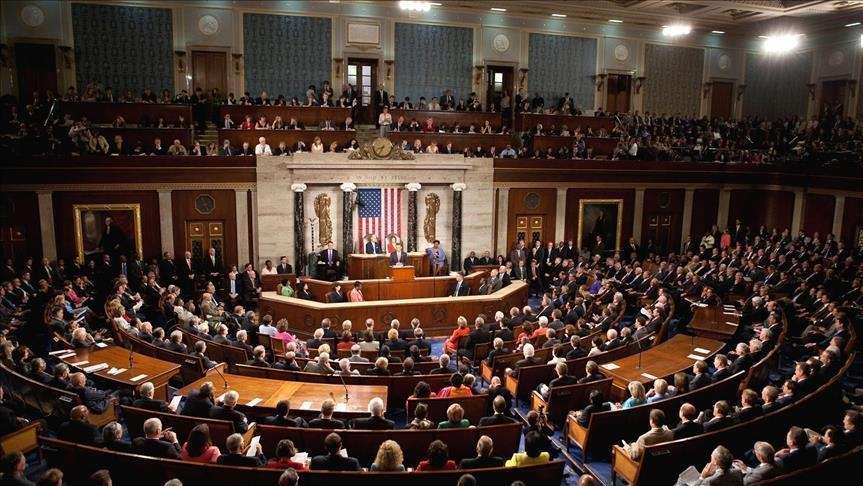
A group of 26 American senators, including outstanding democrats and independent such as Bernie Sanders, Elizabeth Warren, Tim Kaine and Cory Booker, sent a formal letter to the President Donald J. Trump requesting urgent responses on a controversial military attack on September 2 at the Caribbean Sea. The operation, executed by US forces, destroyed a boat and caused the death of the 11 people on board.
According to the official version of the White House, the ship’s occupants represented a threat to national security and had alleged links with criminal organizations. However, the senators denounce that there was no concrete evidence that justified the use of lethal force, and that the action was carried out without authorization from the Congress or clear legal basis.
Constitutional and legal questions
The letter, sent on September 10, raises serious concerns about the legality of the operation. Legislators accuse the Executive of having ignored the constitutional role of Congress, which has the exclusive authority to declare war and approve the use of military force.
In addition, they criticize the report of war powers presented on September 4 for being vague, without solid legal foundations and open to interpretations that would allow future military actions without legislative control.
They also warn that the attack could constitute a violation of international law, as it is a lethal operation against civilians outside the US territory, without multilateral mandate or proven imminent threat. The lack of transparency about the identity of the victims and the real destiny of the vessel – First it was said that he was heading to Trinidad and Tobago, then to the USA. – He has generated even more doubts about the legitimacy of the action.
Demands to the Executive
Senators demand concrete answers before September 17 on the following points:
- The legal basis of the attack and the previous legal evaluations.
- The presidential authority to use lethal force against civilians outside the national territory.
- Compliance with the resolution of war powers of 1973.
- The identity of the 11 deceased people and their alleged criminal links.
- The criteria used to identify targets and legal reviews carried out.
- The true route of the boat.
- The existence of an imminent threat and why a non -lethal interdiction was not attempted.
- The impact of the operation on the intelligence available.
- The possible violation of American and international laws.
- The reprisal risk assessment after the attack.
In the letter, senators argue that the attack represents a dangerous precedent, without legal basis or legislative supervision, which exposes the United States to international responsibility and internal security risks.
They also reaffirm that Congress cannot be marginalized in decisions that imply the use of military force, and demand transparency, official documentation and respect for the constitutional framework.
Finally, this episode reopens the debate on the limits of presidential power in the field of national security and foreign political, at a time of regional high voltage and internal polarization. The Executive’s response will be key to determining whether it was a legitimate action or a serious violation of the legal, national and international order.