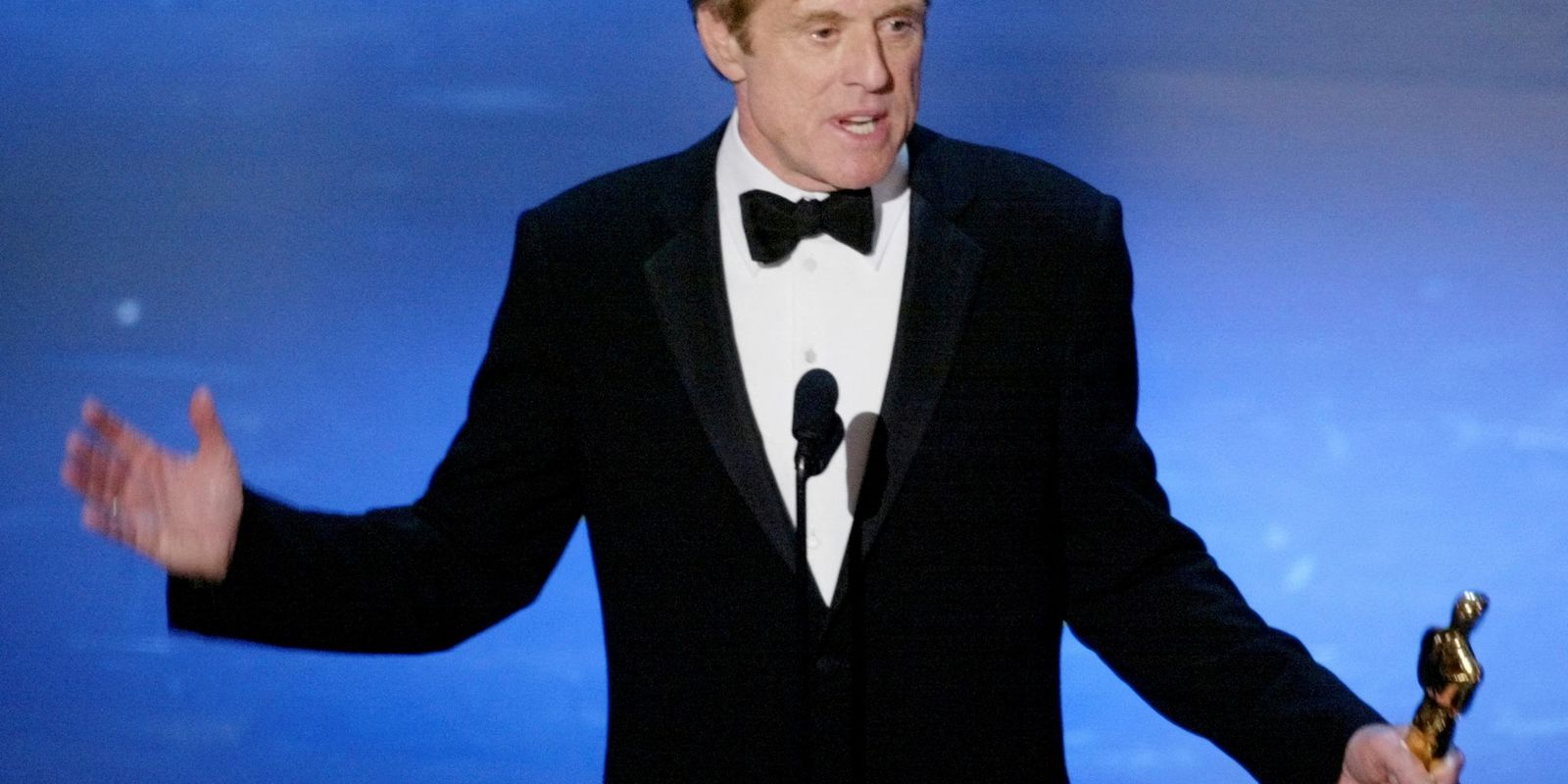
Actor and director Robert Redford, one of the biggest names in American cinema history, died during sleep on Tuesday morning at the age of 89 at his home in Utah, United States.
The information was confirmed by his press office. The cause of death was not disclosed.
Redford marked generations as both Hollywood as a filmmaker and activist. With a career that went through more than five decades, he starred in classics like Butch Cassidy (1969), Master (1973), All men of the president (1976) and Between two loves (1985).
He was nominated for Oscar as an actor, but won the best director statuette in his debut behind the cameras, with People like us (1980), who also won as best film. Throughout his career, he also directed titles as Nothing is forever (1992) and Quiz Show – The Truth Behind the Backstage (1994), both critically acclaimed.
More than film star Redford played a decisive role in consolidating the American independent cinema. In 1981, he founded the Sundance Institute and, a few years later, idealized the Sundance Film Festival, a world reference in the discovery of new talents. It was on this stage that filmmakers like Steven Soderbergh emerged, with success Sex, Lies and Videotape (1989).
In 1999, the Brazilian film Central do Brasildirected by Walter Salles, was awarded at the Sundance Festival. The victory at the event, one of the most important in independent cinema, helped boost the career of the feature, which would later be nominated for the Oscar for best foreign film.
In the early 1990s, Redford and Brazilian actress Sônia Braga lived a relationship, which was reported by the press at the time. The case was one of the actor’s most famous relationships, who has always been discreet about his personal life.
Outside the screens, the actor also stood out for environmental activism. In the 1970s, he participated in campaigns against Highway Projects and polluting plants in Utah, gaining victories that helped turn natural areas into national monuments.
Halfen on the screens and engagement reference outside, Redford leaves a legacy that goes far beyond cinema. His trajectory united glamor, social conscience and the defense of an authorial cinema, far from the spotlight of the great studios.