Peruvian Maoism created school, from the Andes to the Himalayas, because apparently there are many factors that both realities have in common. A radical provincial intellectuality, a poor peasantry and a mountain, politically and geographically speaking isolation. “It is no accident that in two former high mountain societies, Maoism has thrown out in the final decades of the twentieth century, when it had already been surpassed in China herself,” theorizes the historian José Luis Rénique in a comparative article. It is not the only academic work in this regard. Papers such as “Andean and Himalayan Maoist Movements: In Comparative Workshop on Social Conflict in Peru and Nepal” (2003), of the University of Cornell; “Democratism and the Growth of Communism in Nepal: Peruvian Scenario in the Making?” (1992), in Journal of Commonwealth and Comparative Politics; and “A Rationale for the Outcomes of Insurgencies: In comparison case study Between Insurgencies in Peru and Nepal” (2014), from the University of Monterey Bay.
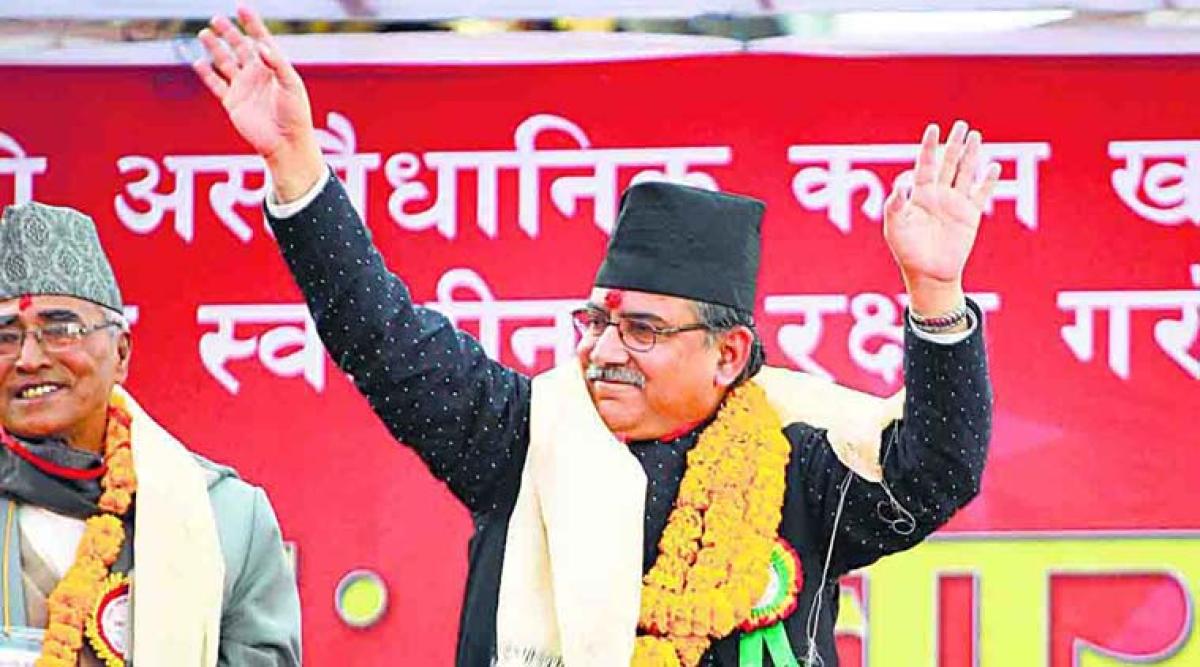
These essays highlight the great hiking influence on the Maoism of the Unified Communist Party of Nepal, founded in 1994. The path of Prachanda, in addition, was born in 2001 and was openly inspired by the Shining Path. For its ideologues, it is a new synthesis that enriches Marxism-Leninism-Maoism. It is the road map of its leader, Puhpa Kamal Dahal (better known as Prachanda), who led an uprising in 1996 that ended the lags of a monarchy and left 14,000 dead. This is how, after a 10 -year civil war, he controlled much of the country.
In Peru, marches are already summoned that imitate what happens in Nepal, where Congress has burned, palace and the wife of the prime minister. The influence is back and forth.
Receive your Peru21 by email or by WhatsApp. Subscribe to our enriched digital newspaper. Take advantage of discounts here.
Recommended video