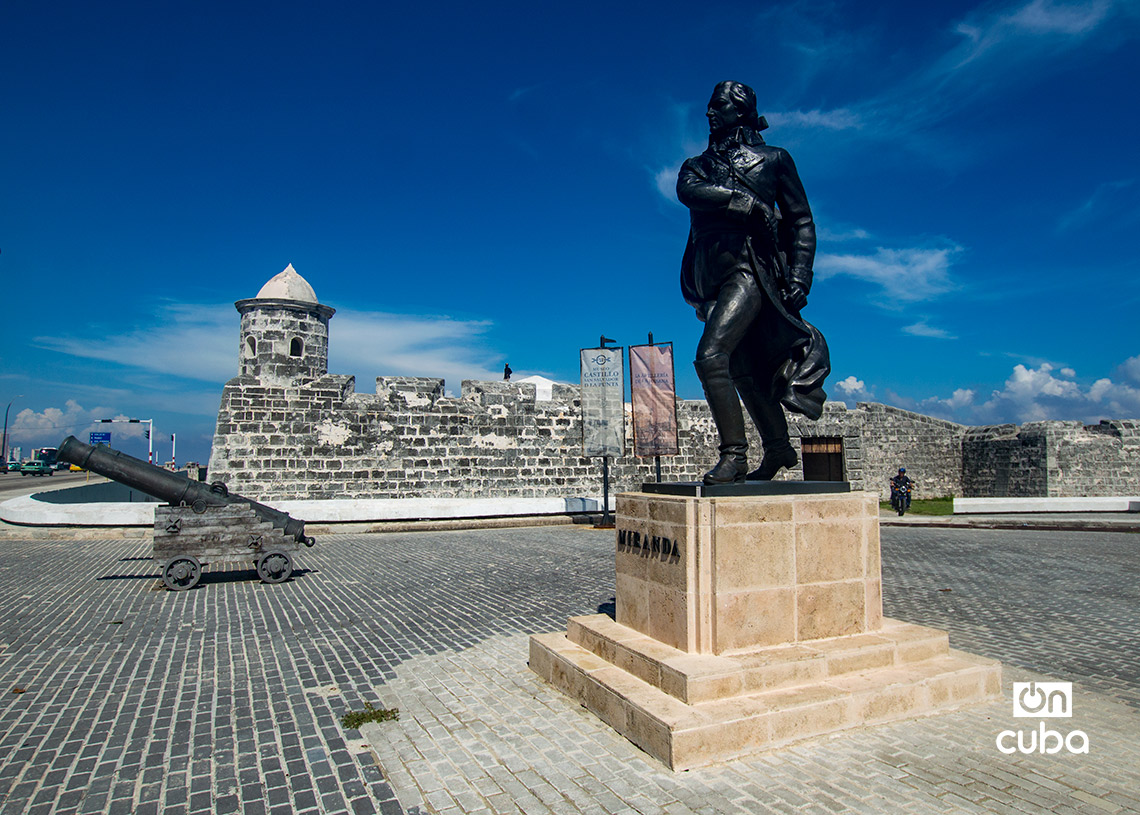
When the tip is said, in Havanais thought immediately – and with all logic – in the castle of San Salvador de la Punta, one of the first Havana fortifications, located at the entrance of the Bay, just in front of the Castle of the Three Kings of the Morro.
The Castle of the Punta, as it is popularly known, was built – at the pair of the nose and the force – to reinforce the then precarious defense of the city in the second half of the 16th century, after the devastating attack of the French pirate Jacques de Sores. His layout was the work of the famous Baptist engineer Antonelli, his construction took several years and went through not a few difficulties.
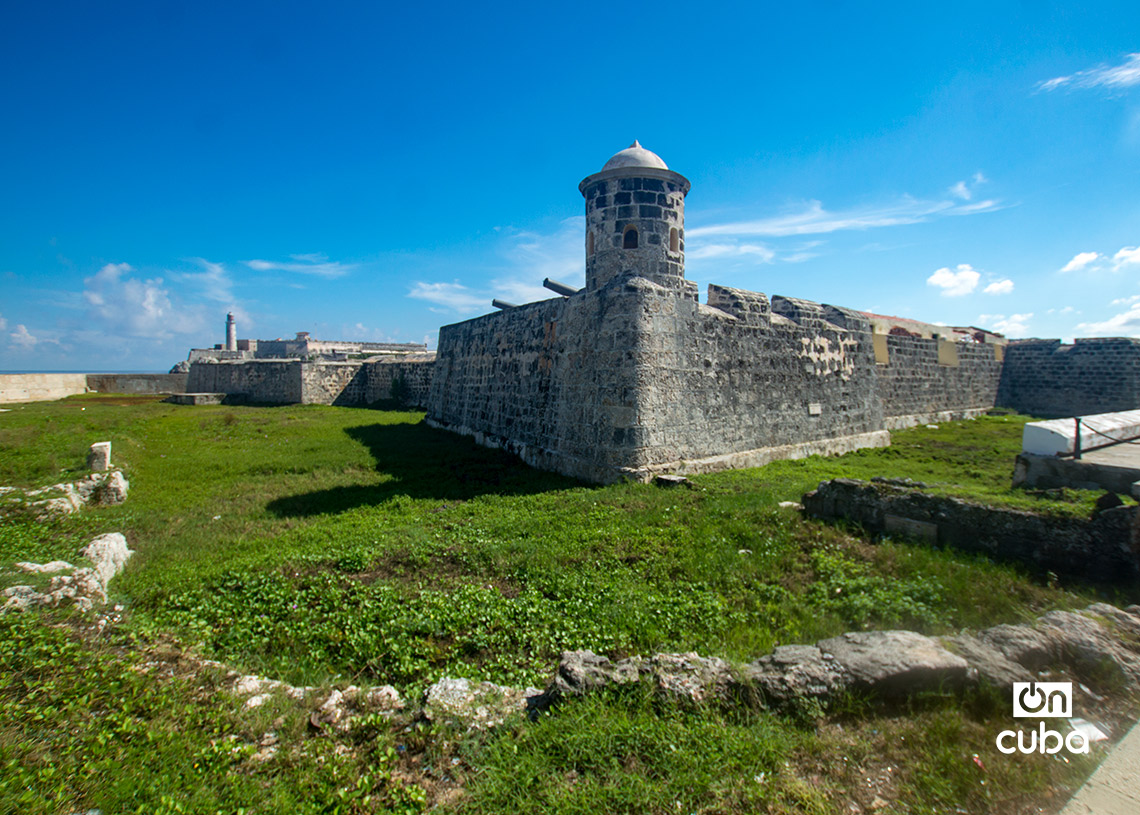
It could be thought that the area known today as the tip owes its name to the castle, surrounded by a shallow and excavated pit in the Havana coast rock itself. However, fortification – converted into a museum after the declaration of the Historic Center and its defensive system as a World Heritage – actually took the name that was already given to the place.
In the sixteenth century, before the first stones of the castle were placed, the area was already known as the tip for being located precisely in one of the bay tips. Due to their strategic position, the authorities began to place vigías and trenches there, and there was even a small fort before the current strength, which ended up strengthening the name of the site.
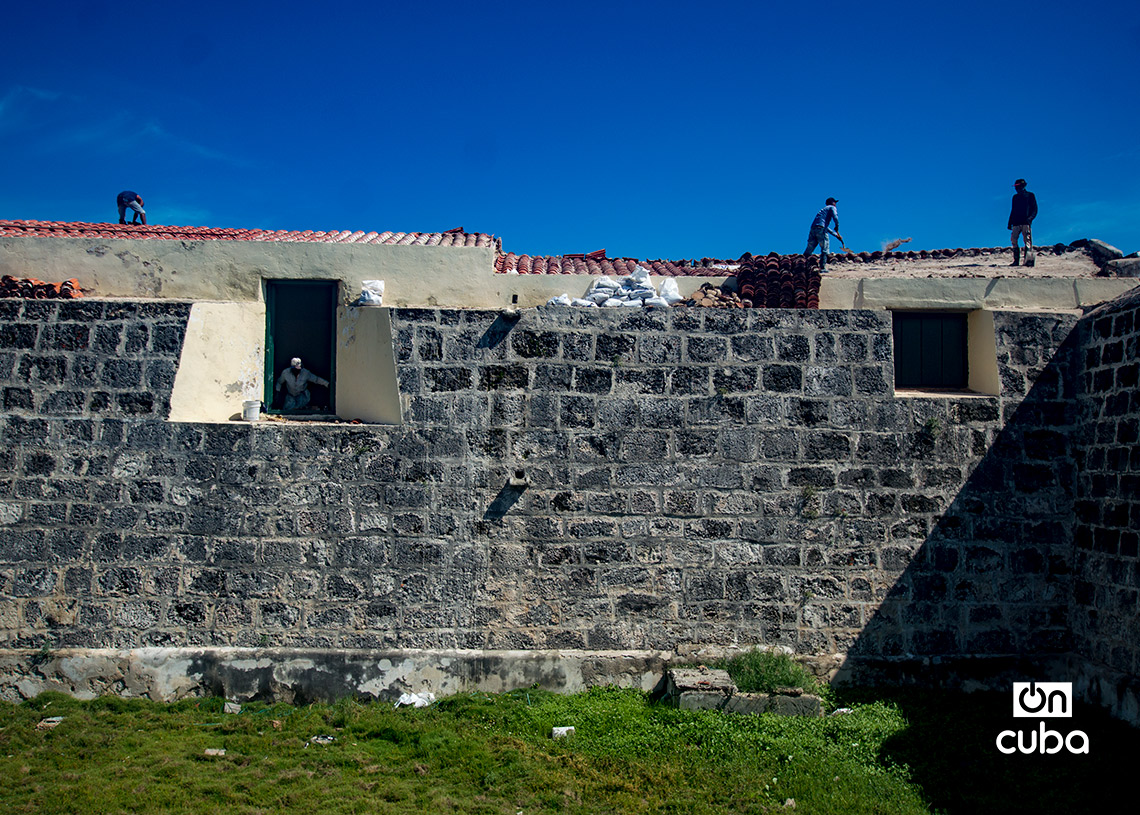
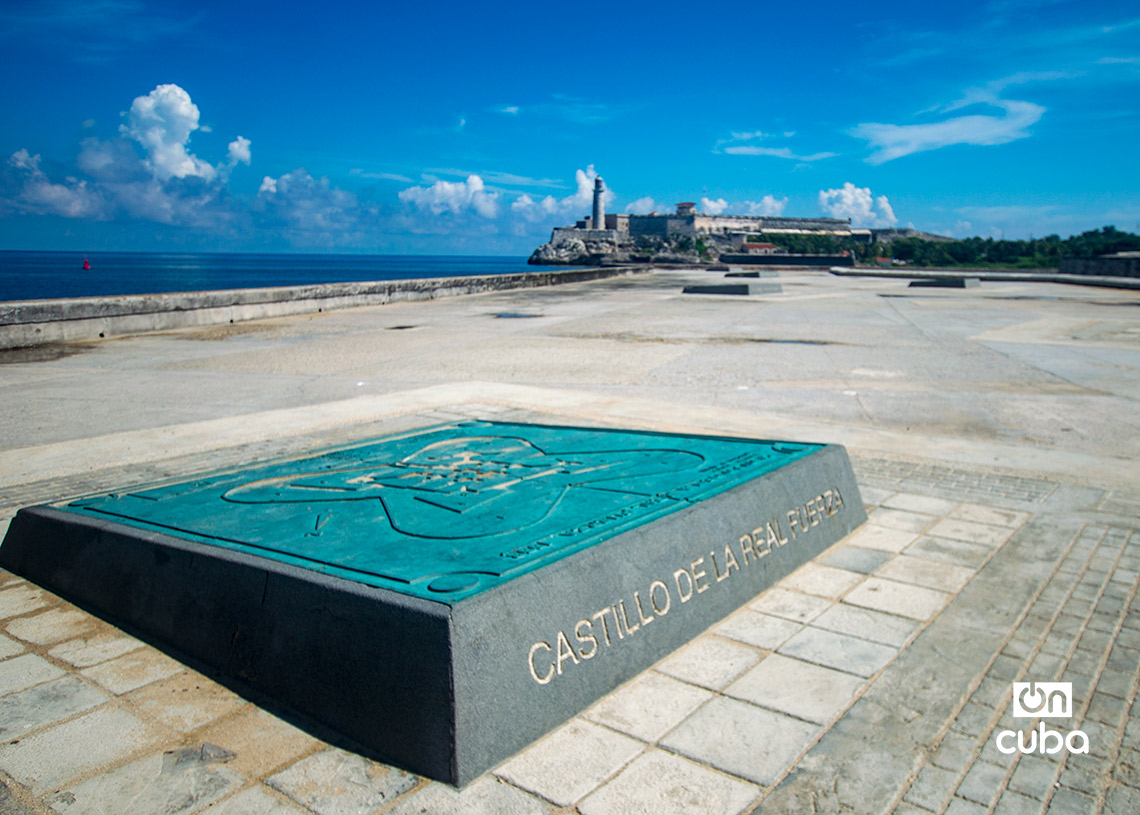
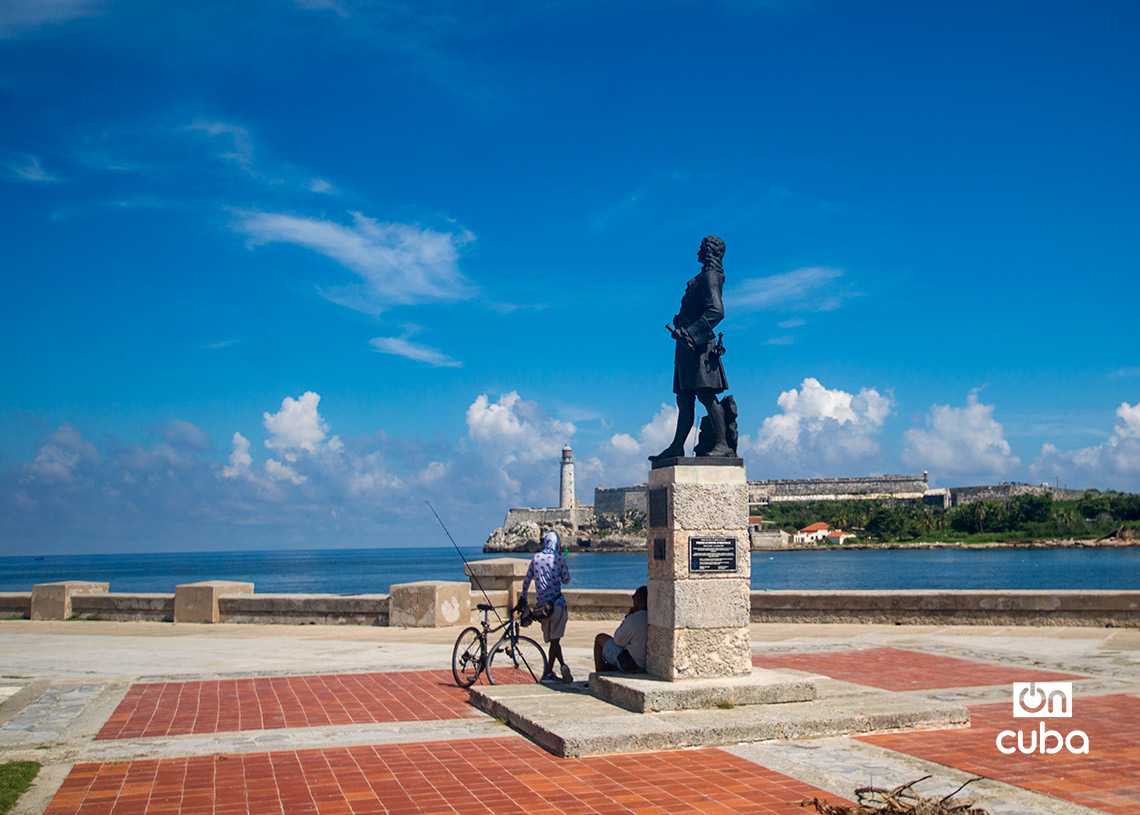
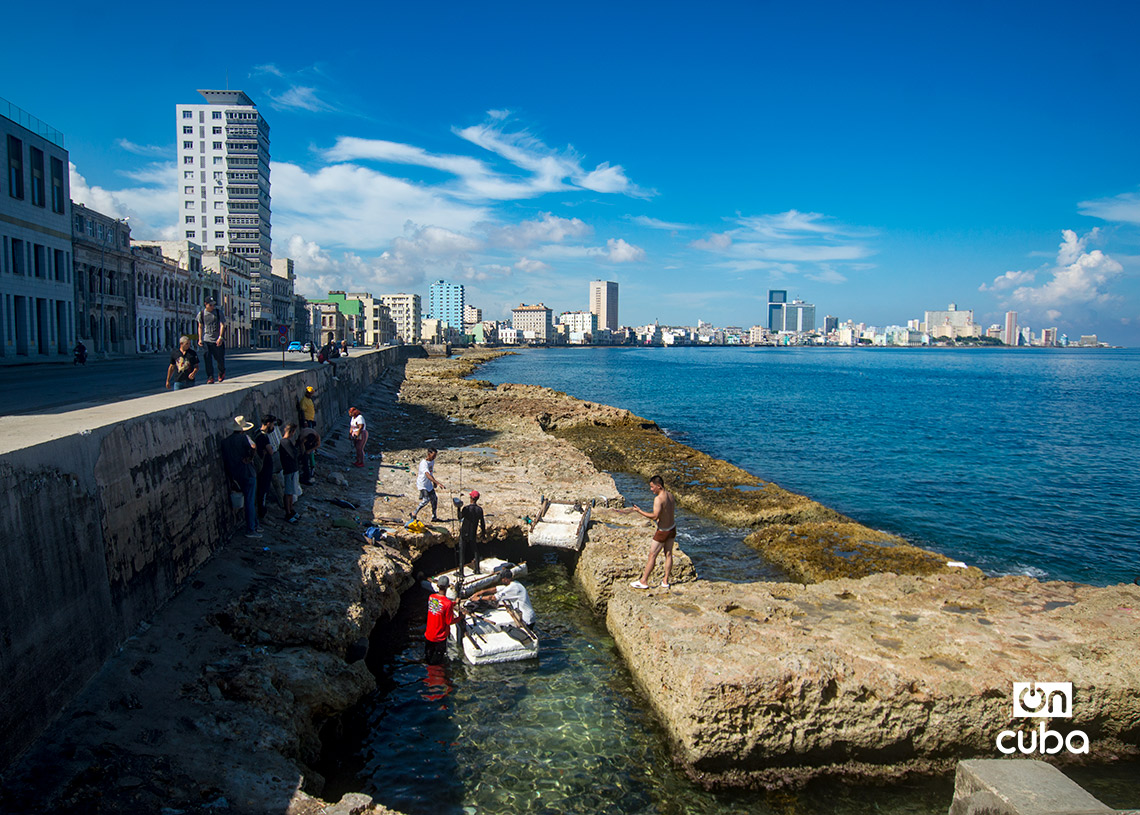
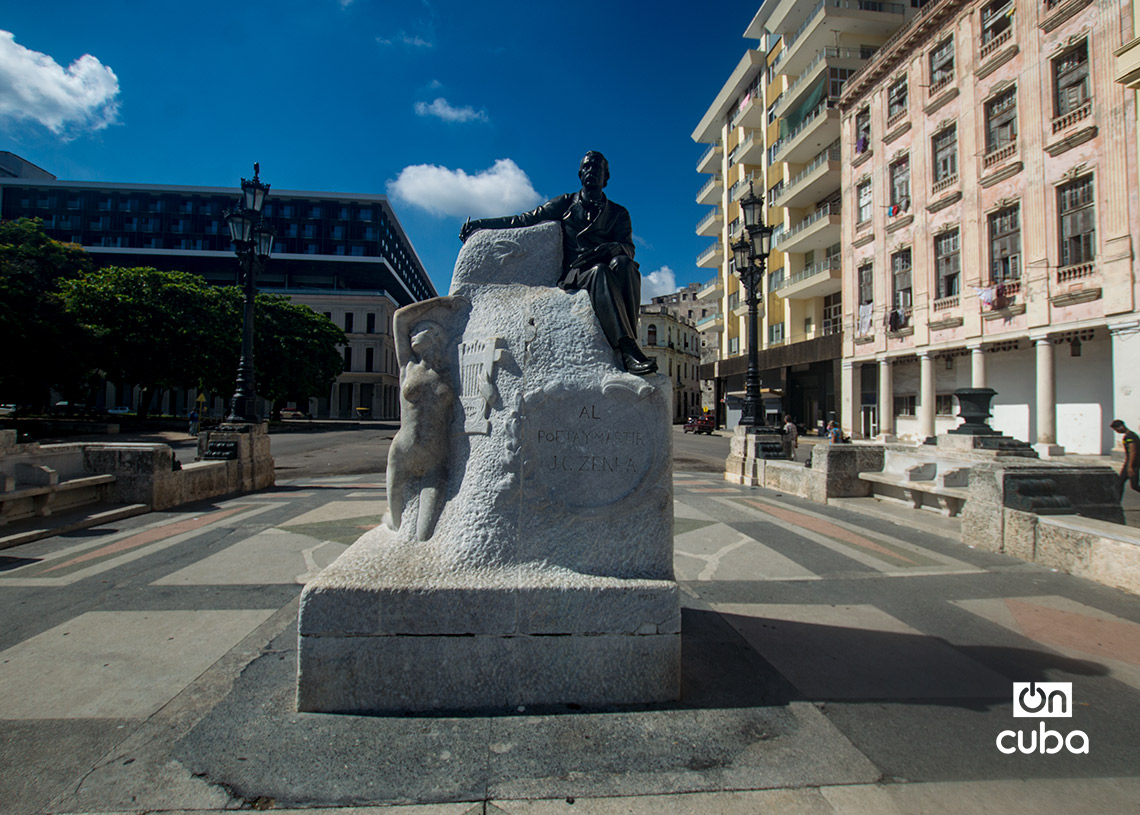
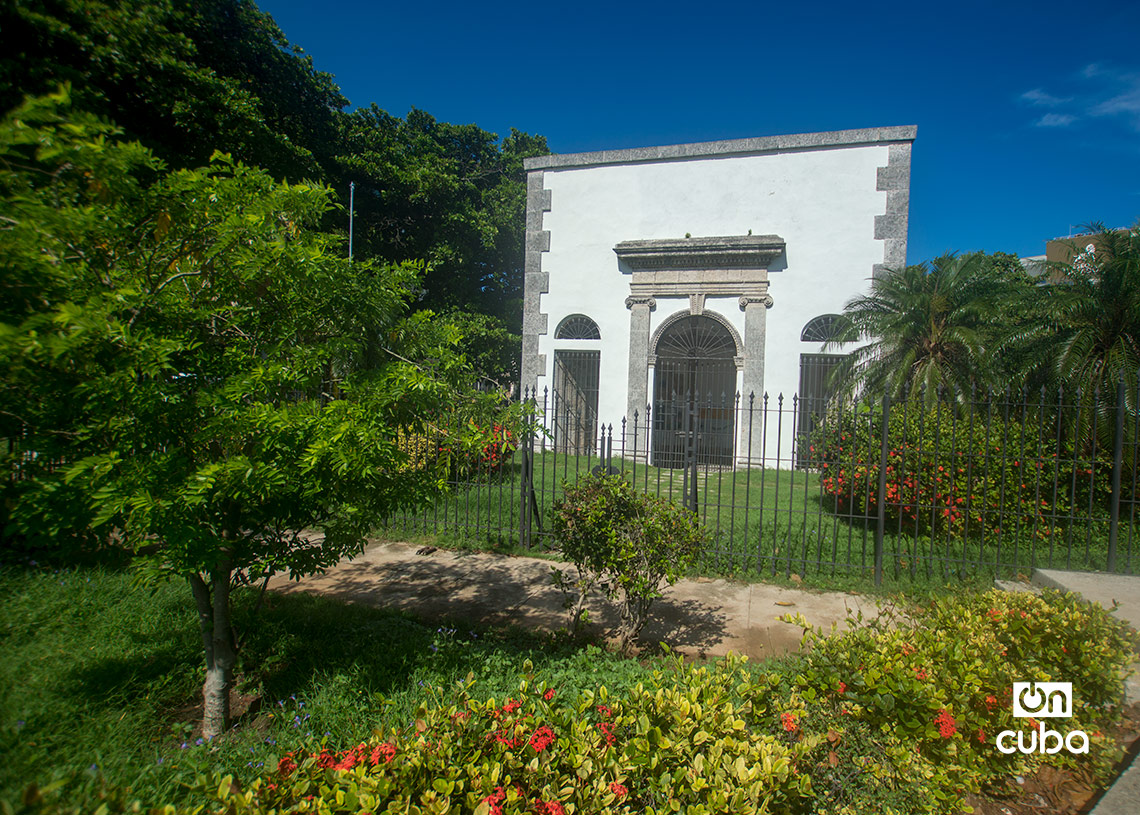
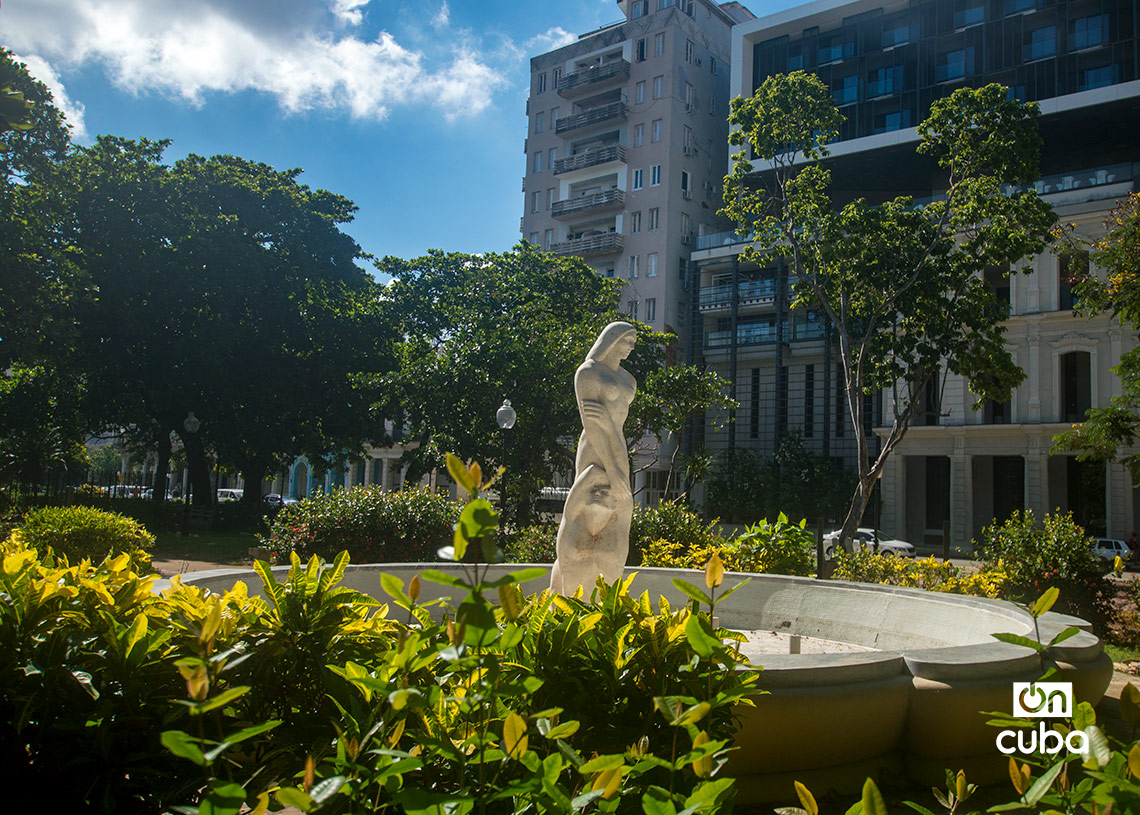
For its past, its daily life and its surrounding places, the esplanade of the tip is certainly more than the emblematic castle, currently under repair. It is a usual site of walkers and fishermen, tourists and lovers, whose history is also marked by the shooting in 1871 of the eight medical students, remembered with a symbolic and necessary monument.
In the area, Fermín Valdés Domínguez, a fellow student of the shot, condemned himself in those fateful events and who dedicated much of his life to demonstrating the innocence of young students and promoted the monument in his honor is also remembered with a bust.
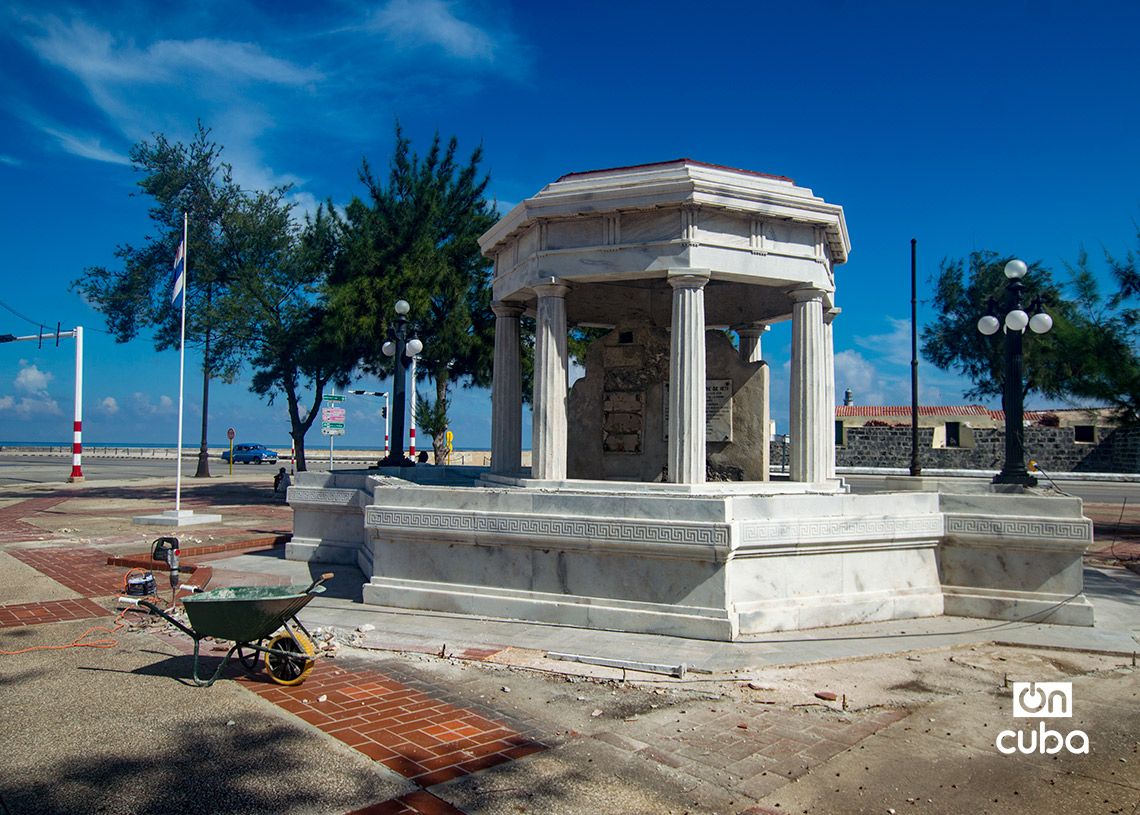
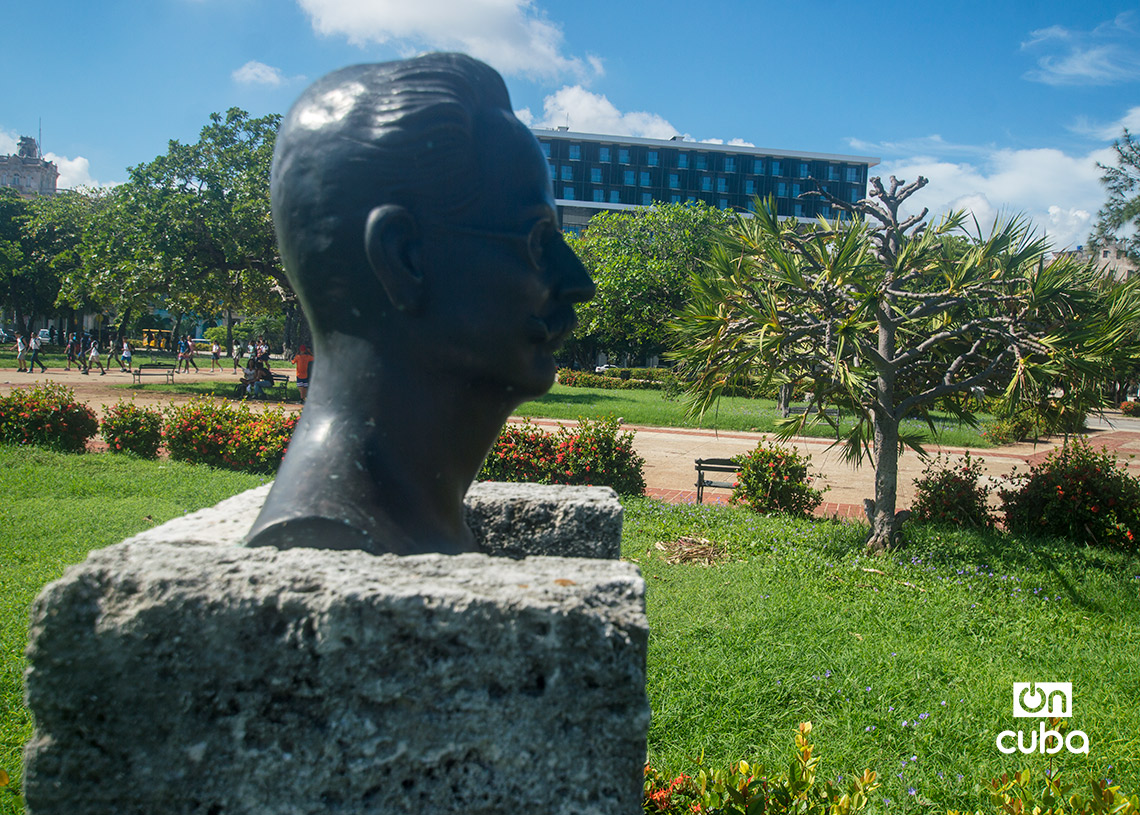
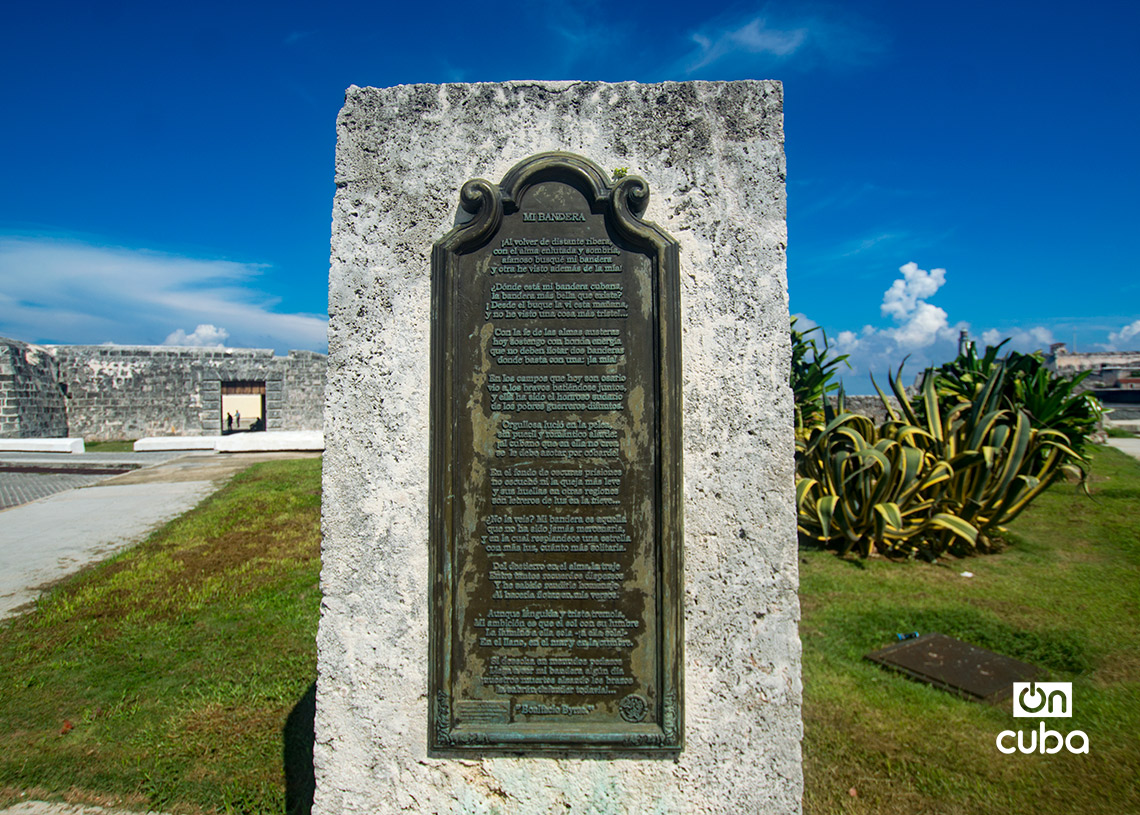
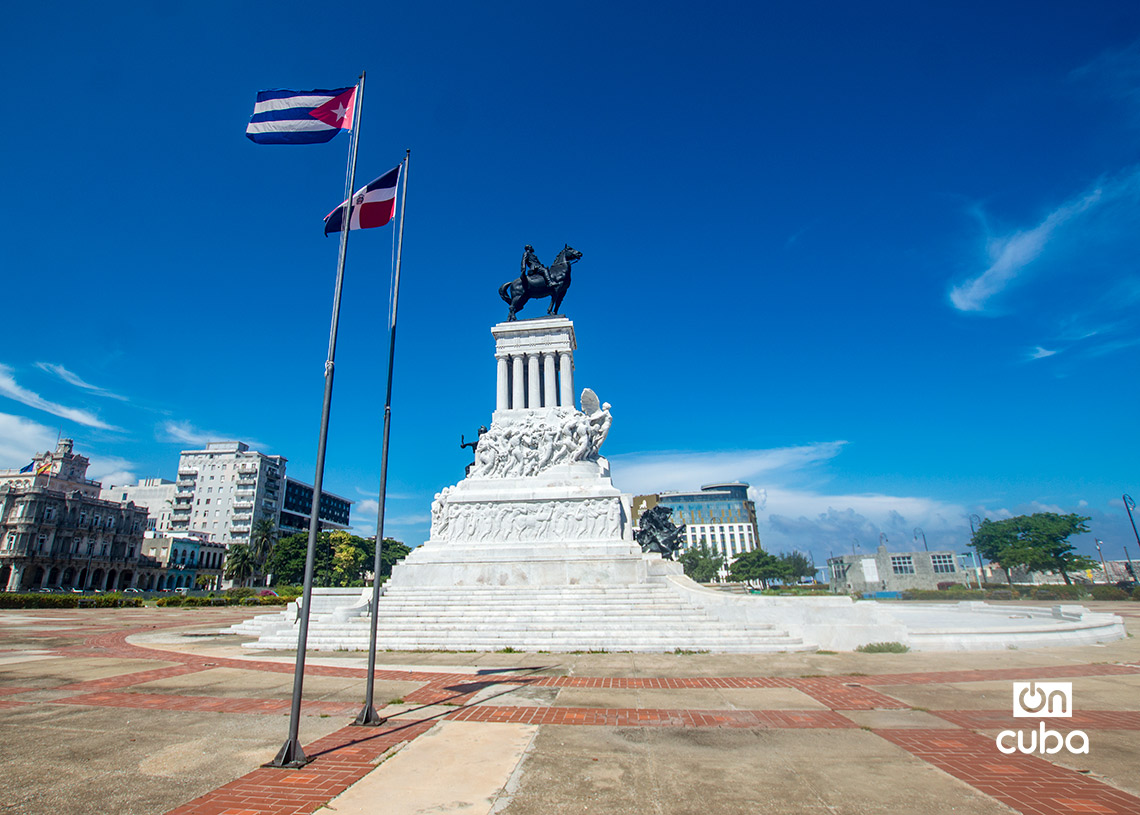
The tip is a recreational and also memory site. In addition to the aforementioned monuments, figures such as the Venezuelan patriot Francisco de Miranda, the Canadian military and explorer Pierre Le Moyne D’Lbeville and the Generalissimo Máximo Gómezand the emotional verses of “My Flag”, by the Matanzero Poet Bonifacio Byrne are exhibited.
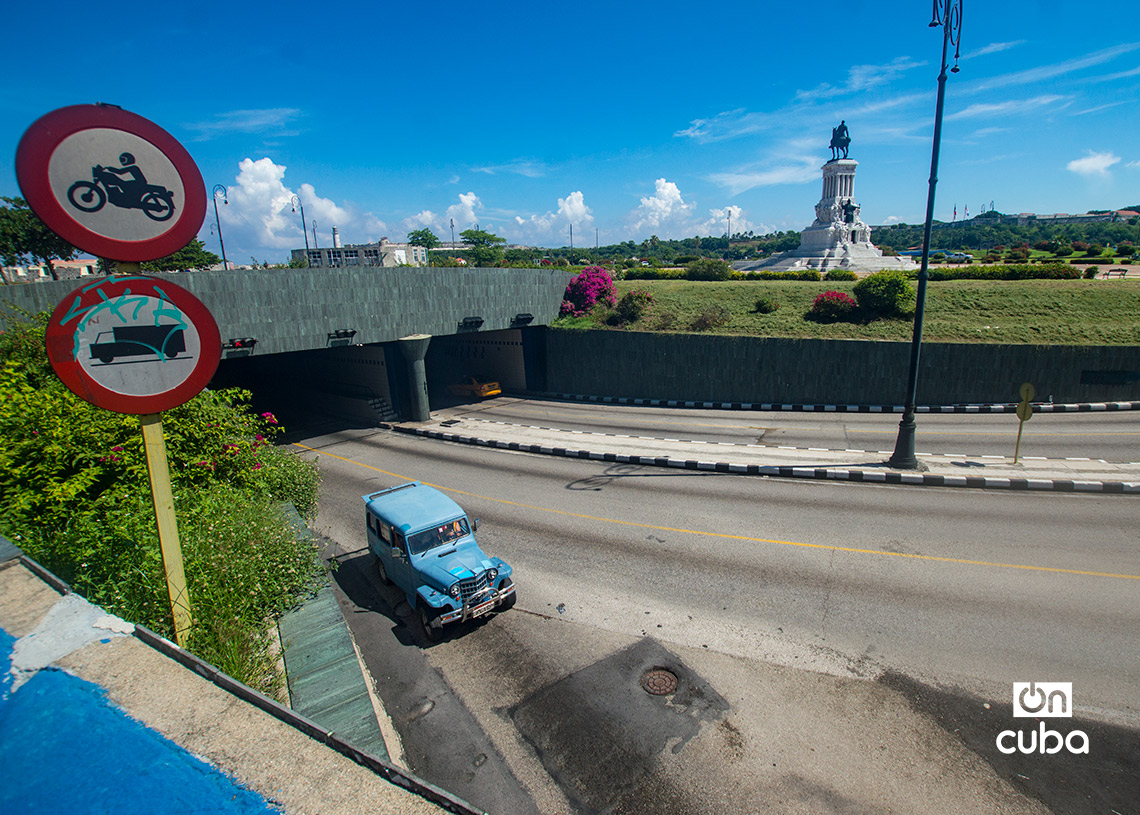
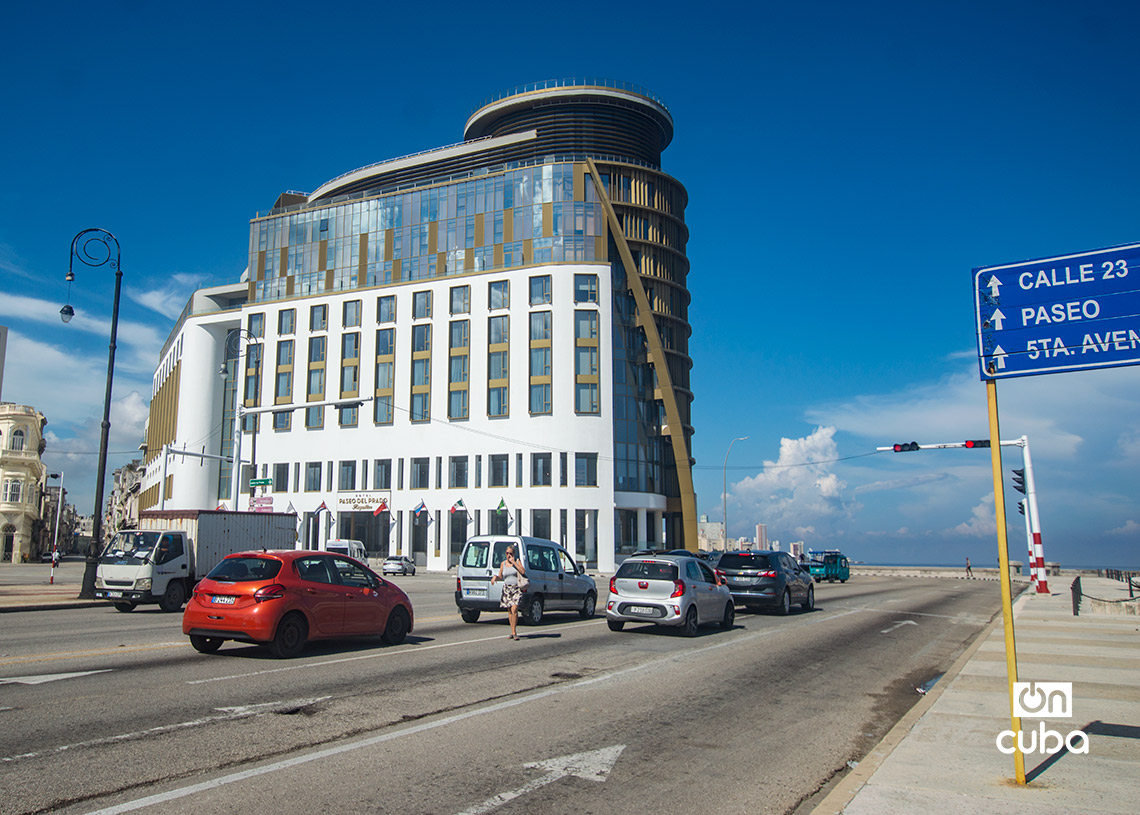
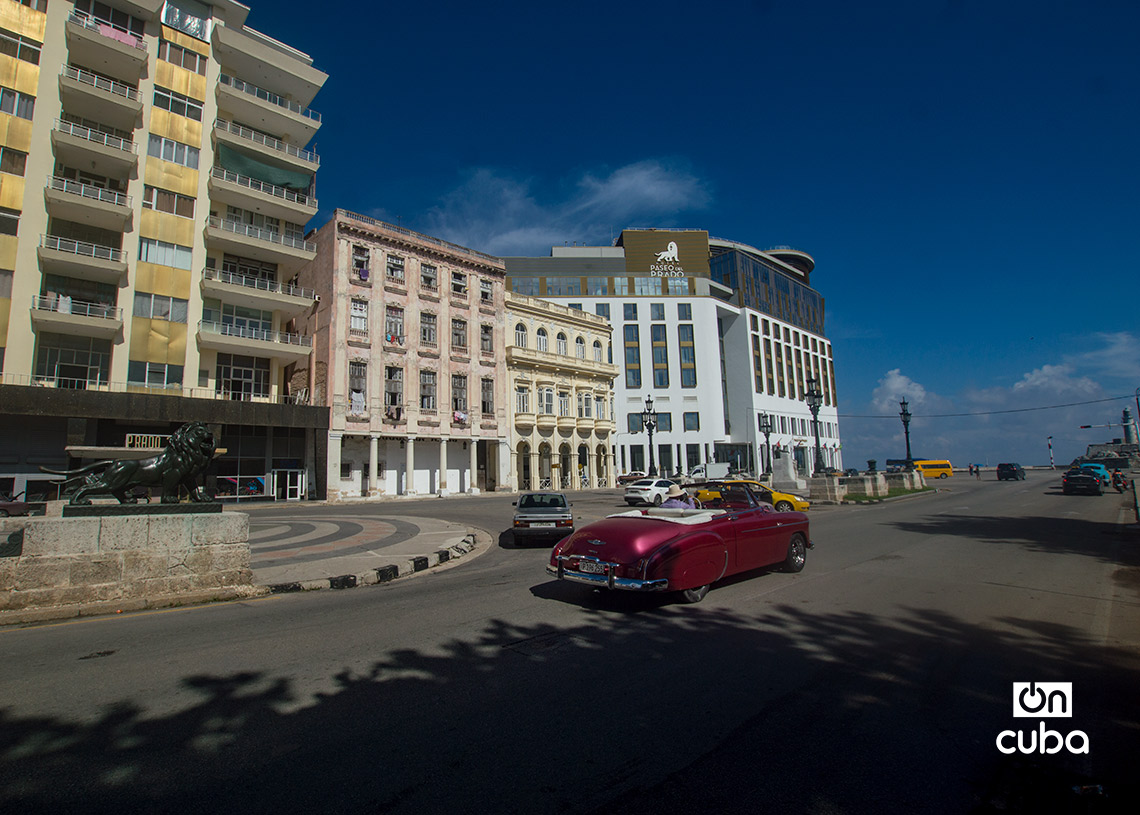
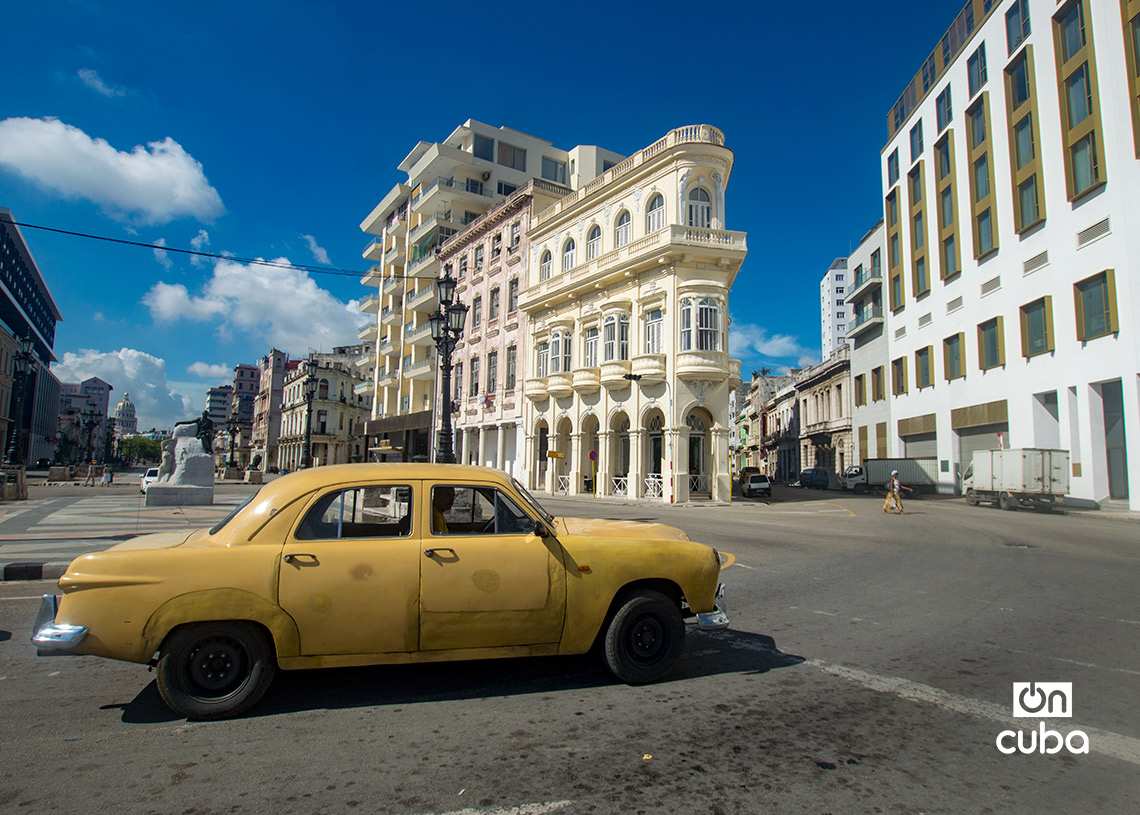
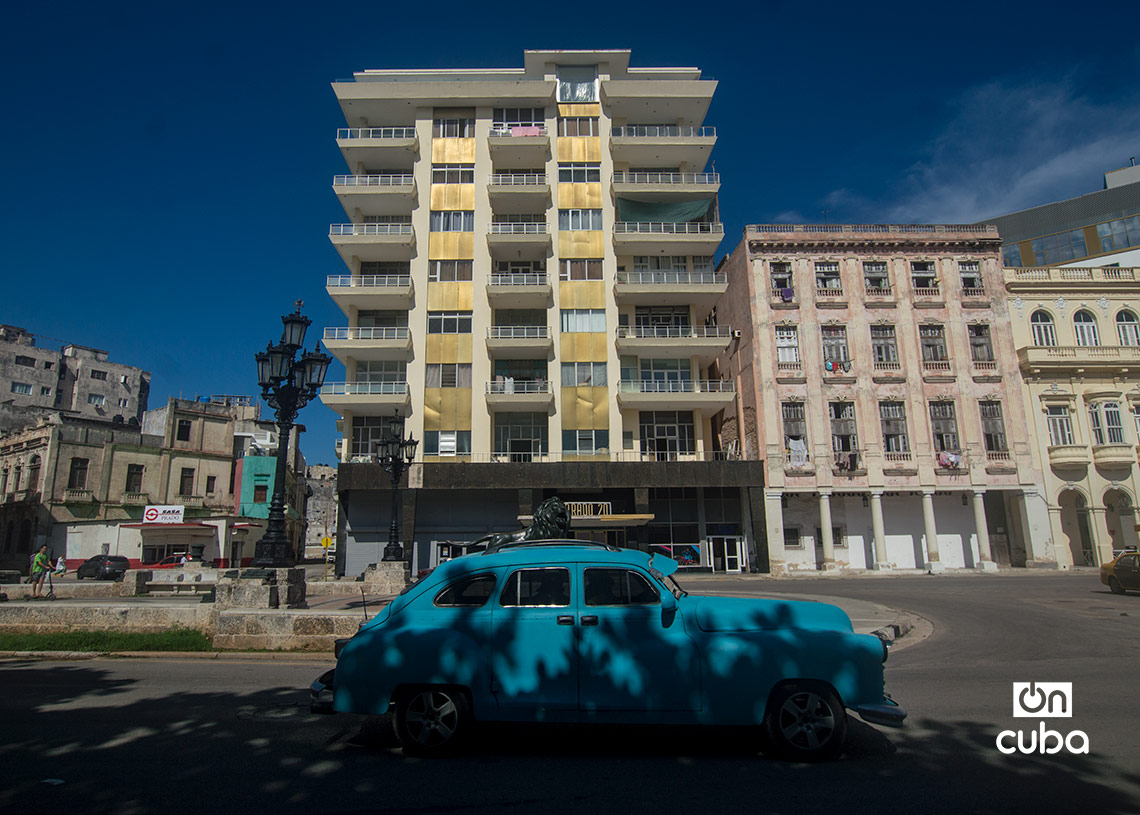
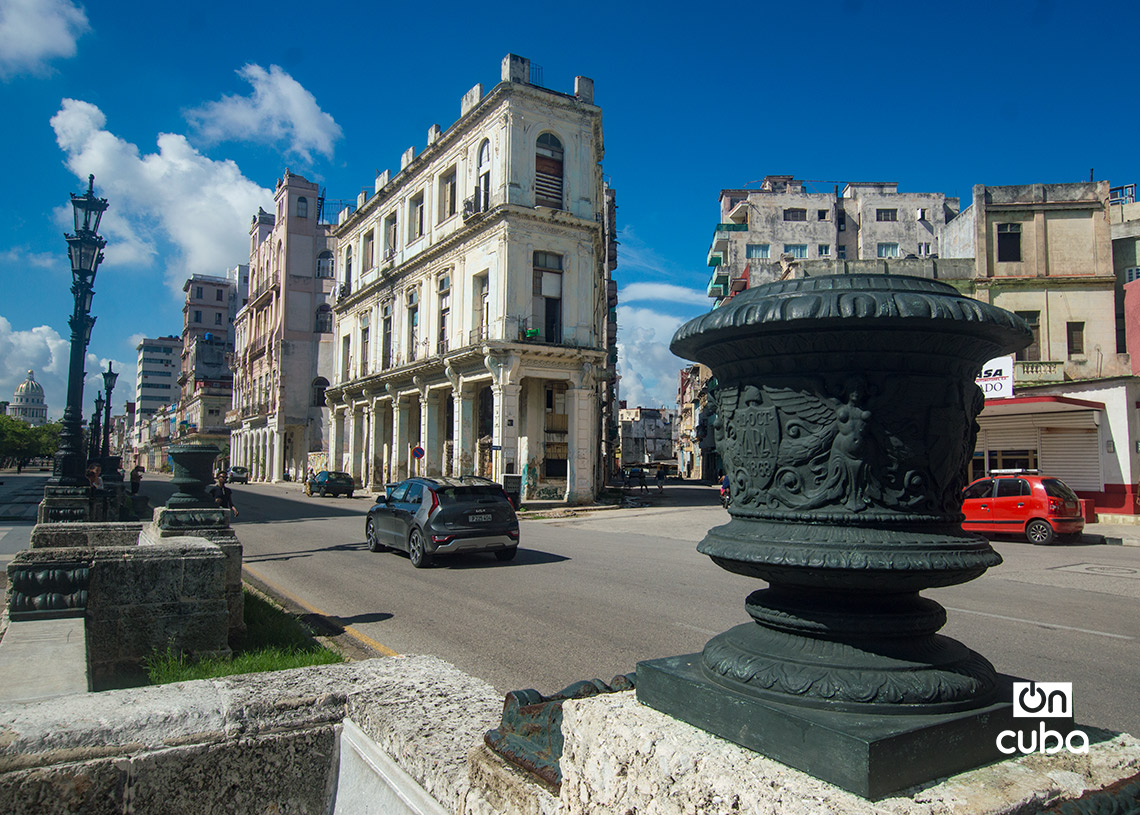
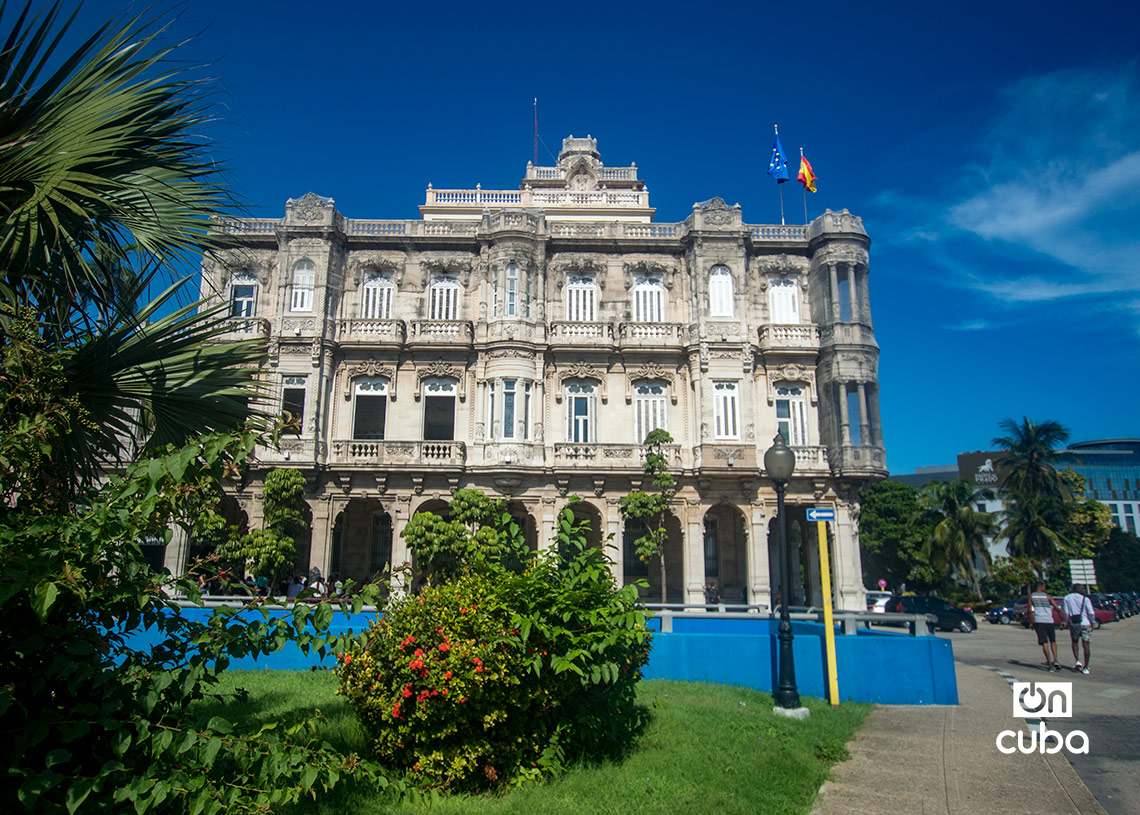
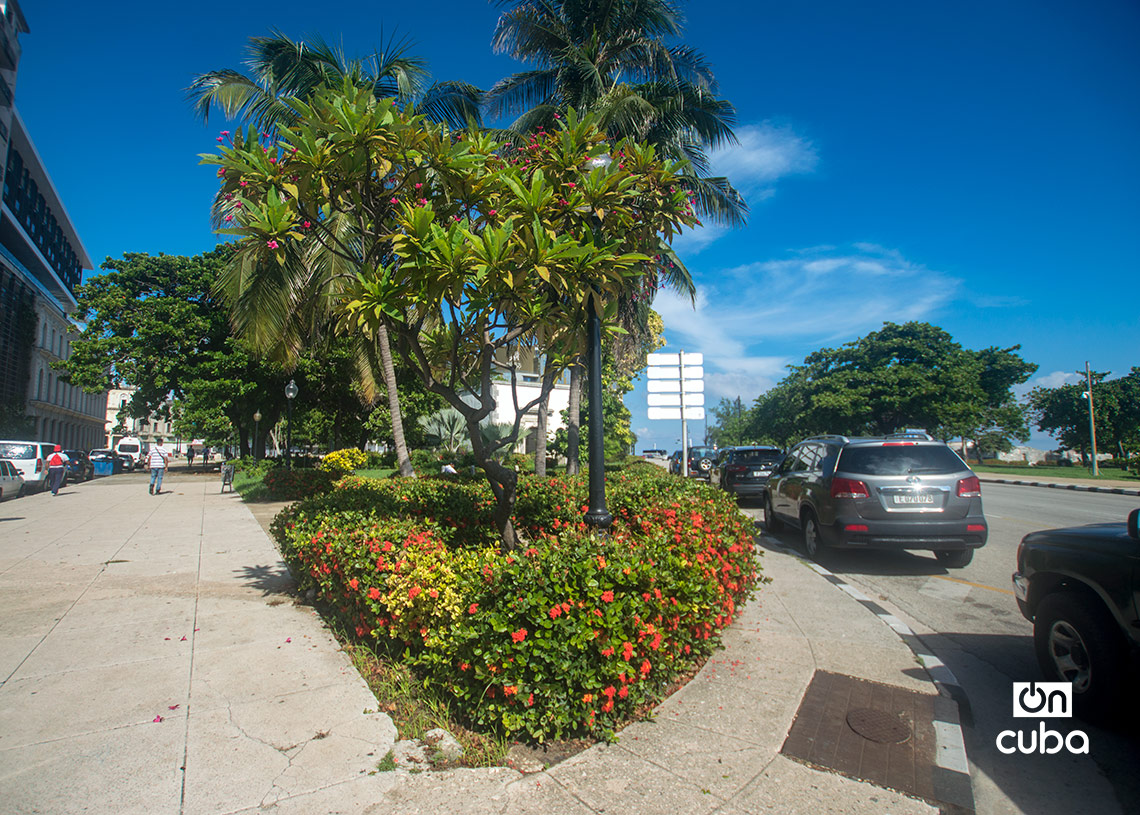
In the vicinity of the tip, for others, important habaneras arteries, such as the Paseo del PradoSan Lázaro Street and Malecón Avenue. There is also one of the entrances of the bay tunnel and several parks, and old and recent buildings are built, such as the current Embassy of Spain in Cuba and the luxurious Grand Packard hotels and Paseo del Prado.
For this emblematic space of Havana, the photoreporter was days ago Otmaro Rodríguezwho with his images confirms that the tip area is more than his historic castle.