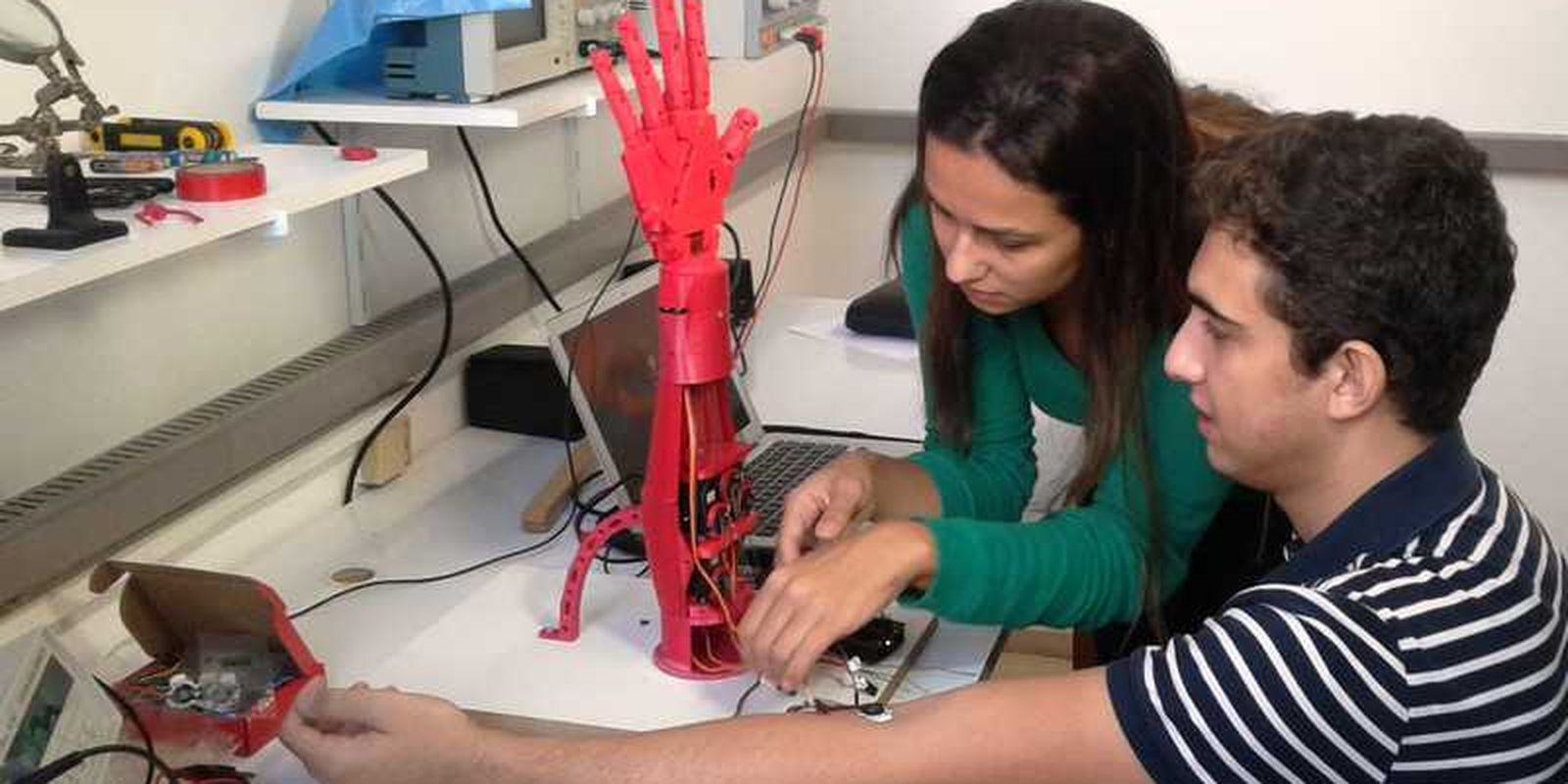
A study on the future of national industry has pointed out 16 professions that must be among the most sought after by the sector. In the survey prepared by National Observatory of Industrylinked to the National Confederation of Industry (CNI), the Researchers point to the scenario for the next ten years – Until 2035 – and also listed technologies that should spread in the industrial environment during this period.
According to Observatory Superintendent Márcio Guerra, operational and repetitive functions tend to disappear, giving way to more analytical, creative and interdisciplinary occupations.
“Current workers will need to adapt continuously, developing skills such as digital fluency, data analysis and complex problem solving.”
There are eight occupations for technical and eight higher level professionals. Check out the list of future professions in the industry:
Technical level
- Technician in MicroRredes and Renewable Energy
- Industrial cybersecurity technician
- Additive Manufacturing Technician (3D printing)
- Predictive Maintenance Technician
- Industrial Internet Technician of Things (IIOT) and Industrial Connectivity
- technician in operation of robots and autonomous drones
- Augmented/virtual reality technician (RA/RV)
- Remote Sensing Technician and Geotechnology
Higher level
- Open and Collaborative Innovation Manager
- sustainability manager and circular economy
- Specialist in digital twins (virtual replica of an object or system) and virtual modeling
- Specialist in Algorithmic Governance and Digital Ethics
- industrial data scientist
- Machine Learning and IA (artificial intelligence) industrial engineer
- Edge Computing Engineer
- Blockchain Solutions Architect for Supply Chain
Of the professions listed, the Observatory estimates that, in 10 years, about 60% of industries will require industrial cybersecurity technician and, 50%, of professionals in micrors.
Emerging Technologies
Among the technologies that will gain ground in industries in the coming years, the study cites artificial intelligence, industrial internet internet, digital twins, blockchain, additive manufacturing and augmented reality, among others, which will act as “central elements in the redefinition of production processes and business models”.
The researchers consider that the implementation and use of emerging technologies require a new set of workers’ skills, so that they can operate complex systems and interact with intelligent machines.
“It’s not just about operating machinery and equipment, but of understanding the systems that connect them, analyzing the data they produce and making evidence -based decisions,” says Guerra.