By Juan Carlos Espinosa
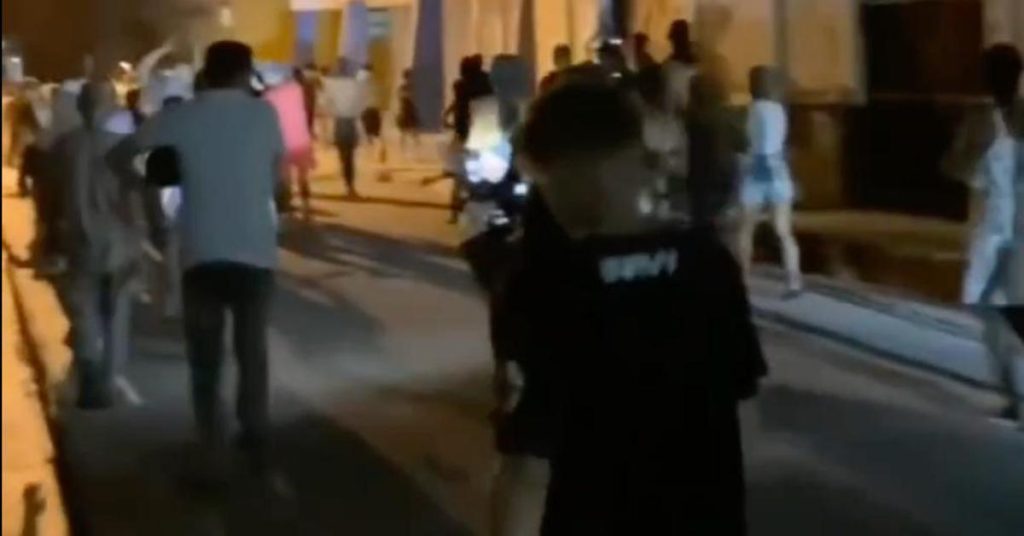
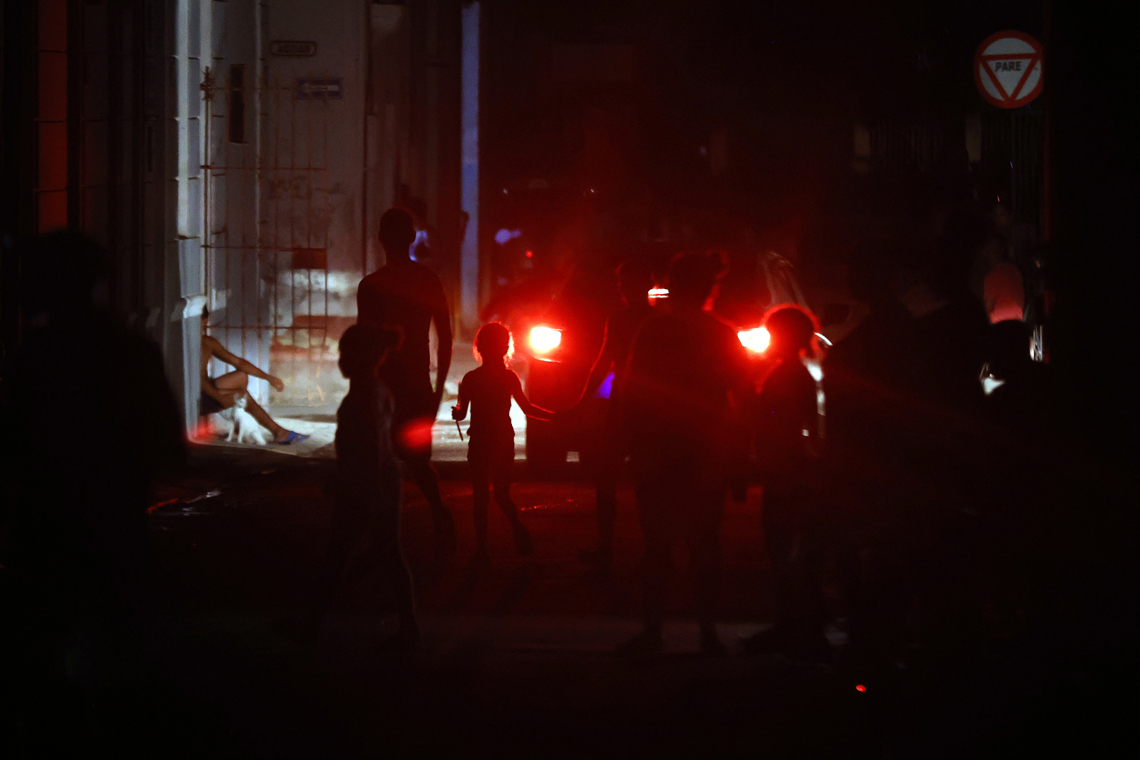
In old Havana you can only see the lights of the cell phones, of the headlights of the few vehicles and motorcycles that circulate through its narrow streets or private restaurants with tourists with disheveled faces.
It’s nine o’clock on Wednesday night in the heart of the Cuban capital and twelve hours have passed since the country’s electrical system collapsed for the fifth time in less than a year.
What at any other point in the world could be an extraordinary situation or a unique experience in life, in Cuba it has become the new normality.
At least so, Juan Carlos, a truckler (Fruit and Vegetable Vegetables) of 60 years. His tone, when speaking with Efe, is a good sample of what is seen in the dark alleys: a peculiar combination between resilience, resignation and a pinch of black humor.
“If you take fight and cling, you die of heart attack. You can’t do anything. What can we do? Nothing. Talk does not solve anything. You have to wait (the current returns),” he says next to his cart.
José, 62, helps Juan Carlos to sell and complements him collecting garbage in the streets. The fall of the electrical system, assures EFE, He has affected him “a lot” because he lives a day and without light he can’t do much to make a living.
“Right now I am hungry that I am fly,” he says.
The hours without light also mean that the food they have accumulated in their freezers for months as a reserve to face the shortage of food is spoiled.
Juan Carlos, upon learning that the blackout was not like the daily cuts of hours suffered by the country for months, but a total fall of the system, something that can take days to recover, he ran to cook everything he had.
“Unfortunately, we are already used,” he says.
Despite the counterreloj advances of the State Electric Union (UNE) company, the vast majority of the more than nine million Cubans remain without current one day after the new national blackout.
According to the Director General of Electricity of the Ministry of Energy and Mines (Minem), Lázaro Guerra, throughout the country “microsystems” have been created, small areas with energy around key sites such as hospitals and water pumping plants, which is expected to consolidate, expand and interconnect with the passage of hours.
According to the last update, the Cuban capital, with just under two million inhabitants, had 79.4 % of the recovered circuits early on Thursday.
Serious energy crisis
The energy crisis that Cuba drags for several years has been considerably aggravated in the last twelve months, which is reflected in prolonged daily blackouts with an average duration that during this July and August was between 15 and 16 hours, according to UNE.
Cuban thermal plants are mostly obsolete, after decades of exploitation and a chronic investment and maintenance deficit; While dozens of generation engines are daily out of service due to the country’s lack of foreign exchange to import sufficient fuel.
Independent experts point out that the energy crisis responds to a chronic infinance of this sector, completely in the hands of the Cuban state since the triumph of the revolution in 1959.
The Cuban government blames the impact of US sanctions on this industry and accuses it of “energy suffocation.”
Various independent calculations agree that the Cuban government would need between 8,000 and 10,000 million dollars to refloat the electrical system, an amount that Havana does not have.
Electricity cuts are a serious ballast for the national economy, which contracted 1.1 % in 2024 and adds in the last five years an accumulated drop of 11 %, according to official data. ECLAC also expects its gross domestic product to be negative this year.
In addition, they storm social discontent in Cuba and have been linked to the main protests that have been registered in the country in recent years, such as those of July 2021.