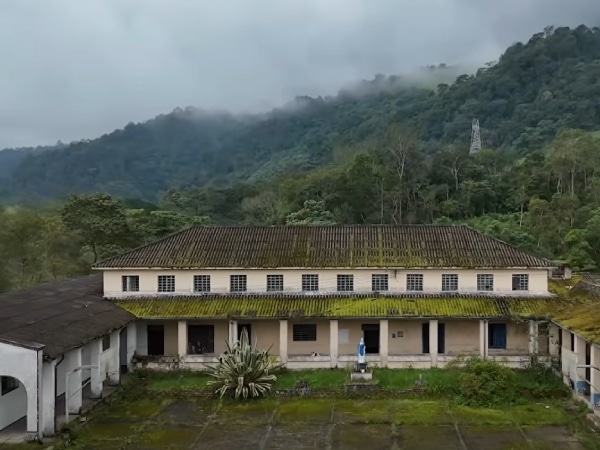

The history of Colombia is full of social projects that marked a before and after for thousands of people. One of them was undoubtedly Father Luna’s children’s farman orphanage as they also call it located in the municipality of Albán, Cundinamarca.
News Colombia.
In Colombia, the ruins of an orphanage or children’s farm as it was known 60 years ago. He was home and school for more than 170 thousand boys and girls in a state of vulnerabilitytoday lies in oblivion, deteriorated by the passage of time.
Also read:
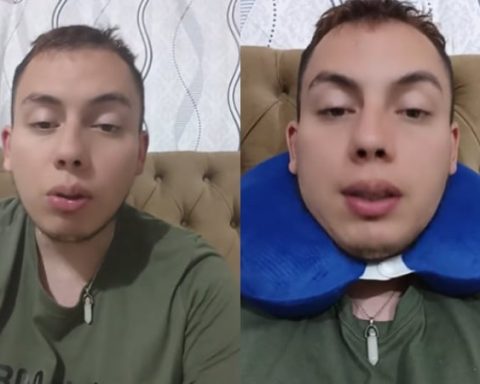
Thanks to a recent visit from Colombian Youtuber Kevin Bolañoswho documented the experience in his channel, we have been able to rediscover this space full of history, discipline and hope. Accompanied by Don Domingoan alumnus who lived on the farm, Kevin guides us in the corners that once were shelter and home for thousands of minors
What were Father Luna’s farms?
This project was founded in 1936 by the priest Joaquín Luna Serranoa native of San Andrés, Santander. Upon arriving in Bogotá, Father Luna was deeply moved to see so many children in street situation, many of them displaced by violence. It was then that the idea of creating comprehensive training spaces was born: home, school and work.
The first farm was precisely that of Albán, Cundinamarcaknown as The Great Citizen Farm. Then, more than 30 farms were established throughout the country.


Life on the farm was not easy, but transformative. According to Don Domingo:
“We got up between 4:30 and 4:45 am we made toilets, had breakfast and went to school. In the afternoon, we worked or played sports. We had a routine that taught us discipline, responsibility and self -love.”
The boys organized by ages: the little ones, the boys and the girls were in separate spaces. There was accommodations, laundry, shoe store, dining roomsand even study spaces on the second floor. Everything was designed for a Integral formation.
Girls also had their place
About 7 minutes walking, was the female farmtoday totally covered by weeds. There they lived between 70 and 80 girls, with spaces designed for their formation and care. Although there is not much standing, those who lived there remember with emotion their passage through this institution.
“It’s sad to see this consumed by the manigua, but I am glad to know how many lives they transformed here,” says Don Domingo with nostalgia.
Training with work and values
The children not only studied, they also worked in field work. From milking cows to collaborate with agricultural workers. The objective was clear: Form useful citizens, with practical principles and skills.
Kevin Bolaños, while traveling the place, shows how the vestiges of the past still speak for themselves: Lockers, Roperos, Rooms, and even animals that still inhabit the farm, now in the care of Don Francisco, a man who watches for how little he remains.
In the video, Kevin reflects on the potential that this place still has. Places like this could be reuse by educational universities or institutions to continue with its training and service legacy.
“I wish some institution see the potential of this space to make it a place of teaching and transformation again,” said Don Francisco.
https://www.youtube.com/watch?v=pz4J2O-3toa