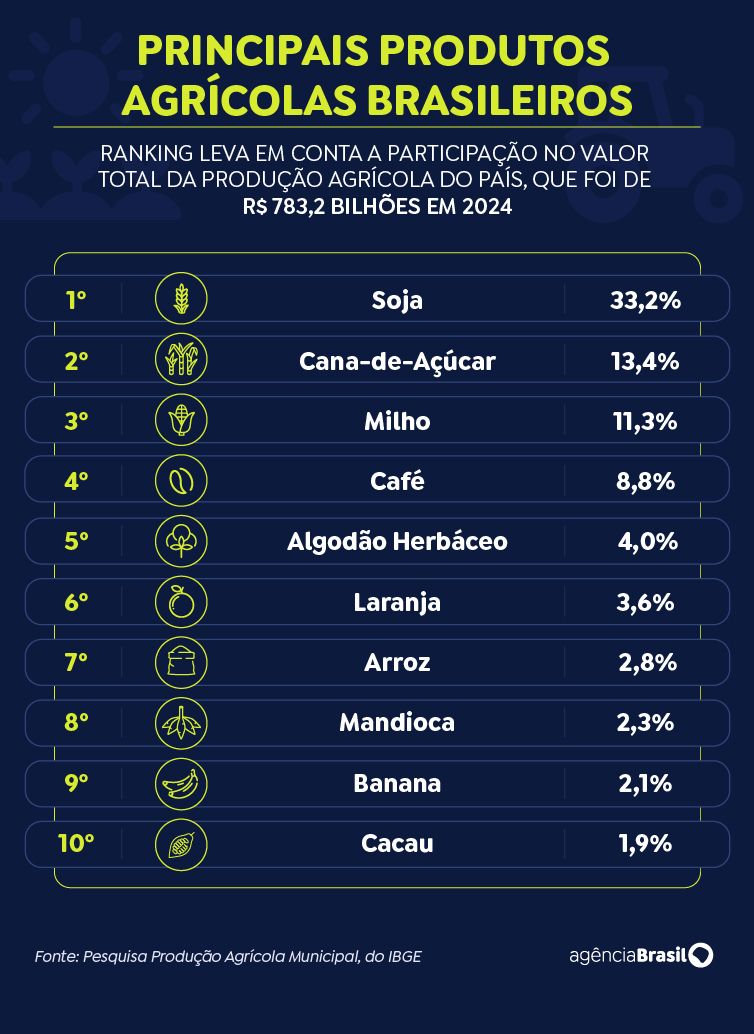
In a year marked by unfavorable weather conditions and fall in international prices, the value of agricultural production in the country was R $ 783.2 billion. This result represents a decline of 3.9% in 2024, compared to the previous year, And was released this Thursday (11), by the Brazilian Institute of Geography and Statistics (IBGE), in the Municipal Agricultural Production survey.
The year 2024 was the second followed by falling in the value of field production. In 2023, the retraction was 2.3% compared to 2022.
The lower production value is explained by both climatic conditions unfavorable to agriculture and lower prices in the international marketsince much of the Brazilian harvest is intended for export.
The products that most contributed to the fall in national agricultural production were soy and corn, which dropped 5% and 12.9% in production, respectively, and suffered from the retraction of prices in the international market.
>> Follow the channel of Brazil agency on WhatsApp
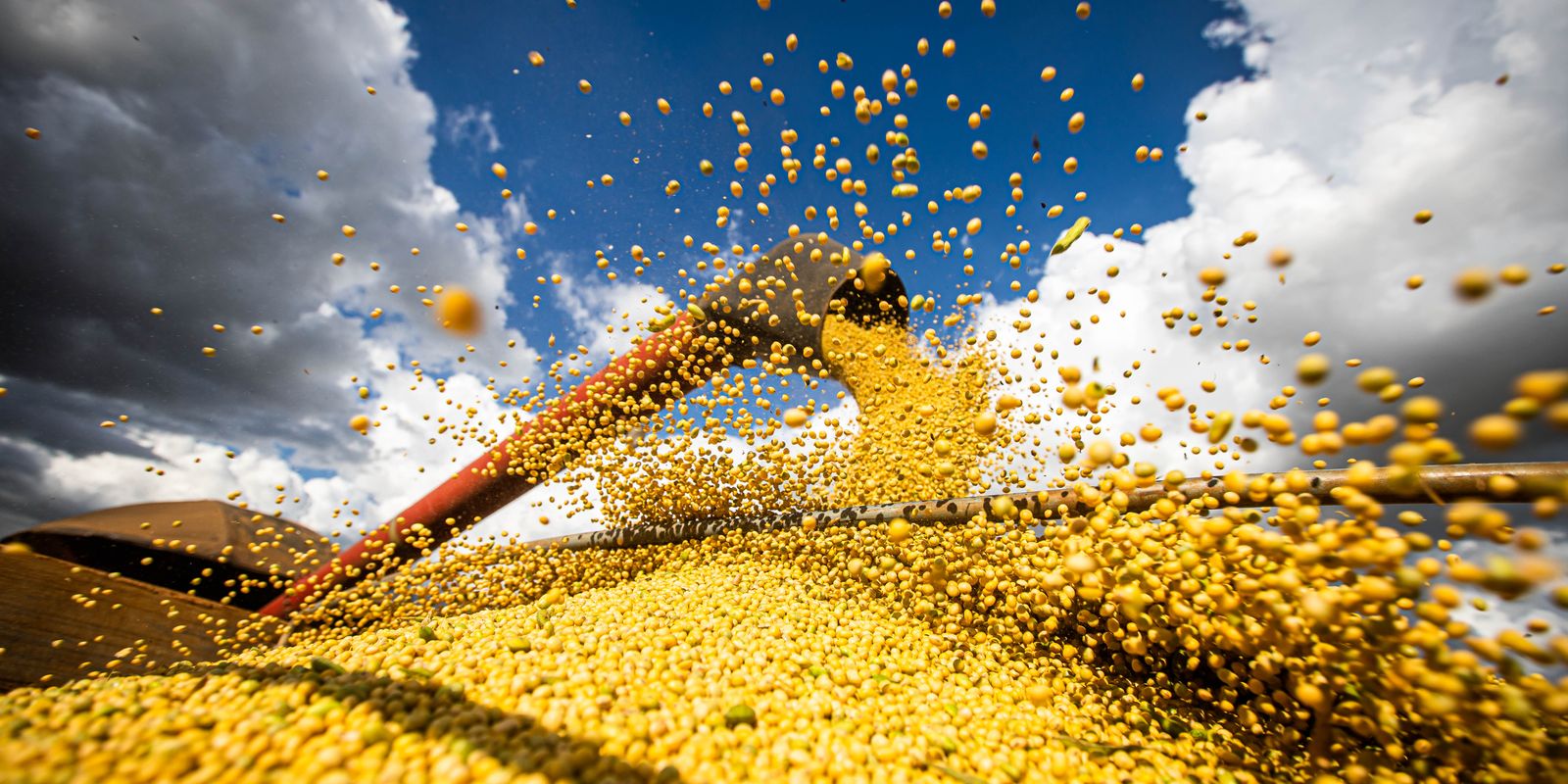
Despite the soybean decrease, the country remains as the largest producer and the largest global exporter in oilseed. The production in 2024 was 144.5 million tons, with a value of R $ 260 billion.
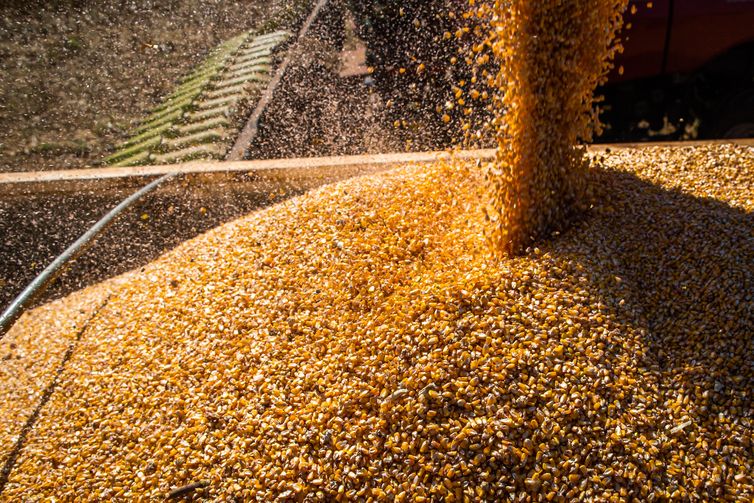
Harvesting corn harvest – Wenderson Araujo/Trilux
Production retreats
The Municipal Agricultural Production survey brings information such as planted, harvested, production and sales value of 64 agricultural products, with details by municipalities, states and regions.
Total production of cereals, legumes and oilseeds by 2024 was 292.5 million tons, 7.5% lower than 2023.
Already the area planted in the country added 97.3 million hectares, with an expansion of 1.2% compared to the previous year. To be aware, this planting area exceeds the dimension of the state of Mato Grosso, which has 90.3 million hectares.
The IBGE recalls that 2024 was compromised by El Niño – abnormal heating of the waters of the east portion of the Equatorial Region of the Pacific Ocean.
“The year was marked once again by the climate influence of the El Niño phenomenon, which, unlike previous years, caused more severe prolonged drought in the north-north of the country, in the Southeast and part of Paraná, with negative effects on summer crop productivity,” the institute describes.
In Rio Grande do Sul, IBGE points out, the problem was rain and flooding.