What just happened in Katmandu is a lesson for the entire world: no absolute power lasts forever when people decide to say enough.
Madrid, Spain.- From anger against corruption in Sri Lanka to Digital tiredness in Nepal, In recent years, entire peoples have shown that no tyrannical regime is eternal. When citizens get tired of abuse, repression and lack of future, popular protests can bend even the most ferrous governments.
Sri Lanka (2022): The collapse of a corrupt dynasty
In 2022, Sri Lanka crossed the worst economic crisis since its independence. Overflowing inflation, lack of fuel, daily blackouts and food shortages plunged the country into chaos. The direct manager was the Rajapaksa clan, a family that had turned political power into a personal heritage, managing the State with nepotism and corruption.
What began in March as scattered demonstrations became a national movement known as Aragalaya (“the fight”). For months, unions, students and citizens of all social classes occupied the streets demanding the resignation of President Gotabaya Rajapaksa. July 9, 2022thousands of protesters broke into the Colombo presidential palace, an image that toured the world.
The pressure was unbearable and, a few days later, the president fled the country. Thus one of the most powerful dynasties of Asia del Sur fell, reminding the world that not even the most rooted clans are invincible to popular anger.
Bangladesh (2024): The strength of the students
In 2024, Bangladesh lived a wave of protests detonated by a controversial judicial decision that reinstated fees in public jobs, favoring descendants of independence fighters and marginalizing the majority of young people. The movement was born in the university campuses, but quickly extended throughout the country, with blockages, strikes and mass marches.
The government’s response was brutal: national curfew, internet cuts, real fire repression and thousands of arrests. Violent clashes left hundreds of dead and injured, turning a sectoral claim into a national rebellion against the authoritarianism of Sheikh Hasina, in power since 2009.
The social pressure was unsustainable. In a matter of weeks, the Prime Minister fled the country and presented its resignation, marking the end of more than a decade of government. Bangladesh was plunged into an uncertain transition, but the popular victory showed the student force.
Nepal (2025): The Z generation tombs communism
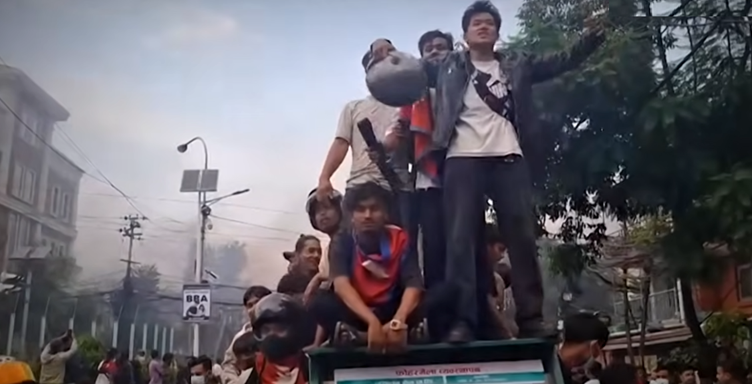
In September 2025, generation Z was the protagonist of a fulminating rebellion in Nepal. The prohibition of 26 social networks, justified by the communist government of KP Sharma Oli as an attempt to control the “misinformation”, was the spark that lit a discontent accumulated by years of corruption, nepotism and youth unemployment. Just a few days of protests were enough for indignation to become national uprising. Urban students and young people set the Parliament set set in fire and challenged the Army until the renunciation of the Prime Minister was achieved. The repression left between 19 and 25 dead, but the result was clear: the fall of the communist government and the beginning of an uncertain stage in the country’s policy.
From Sri Lanka to Nepal, the latest rebellions in Asia are a powerful reminder: no corrupt or repressive regime is eternal. Neither the dynasties, nor the unique parties, nor the authoritarian leaders have been able to resist when citizens have tired of abuse. What just happened in Katmandu is a lesson for the entire world: no absolute power lasts forever when people decide to say enough.