The House of Representatives approved on Wednesday (10) the Bill (PL) 2874/19, which establishes the National Policy to Combat Food Loss and Waste (PNCPDA).
Among other points, the project provides programs and partnerships between the Union and other federative entities and public or private institutions, civil society organizations and religious entities to reduce waste and food loss. The article goes to the sanction of President Luiz Inacio Lula da Silva.
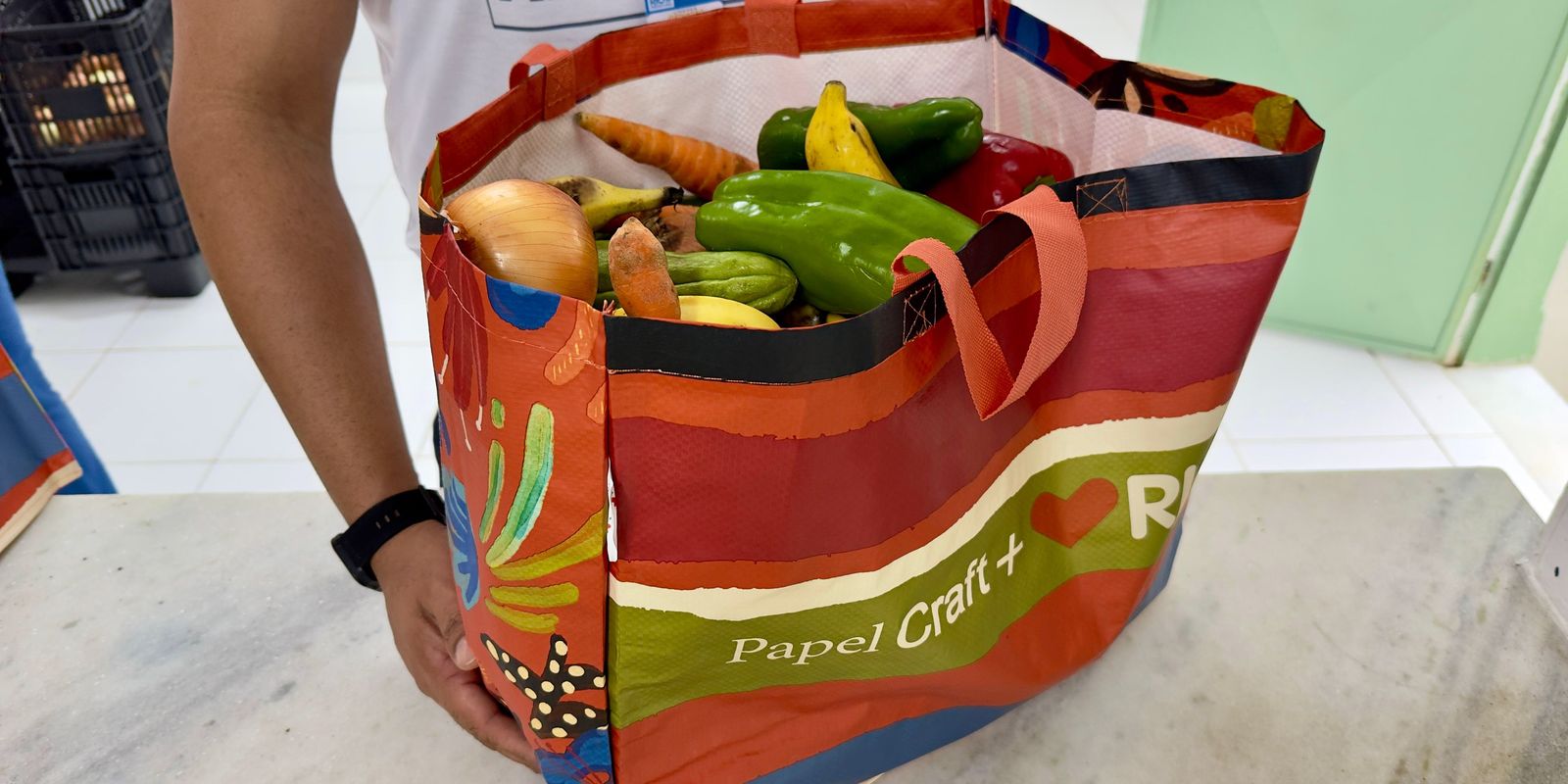
The approved proposal provides that they may be donated to food banks, receiving institutions and directly to the beneficiaries the perishable and non -perishable foodswithin the expiration date, and food fresh or prepared, provided that nutritional properties and safety for human consumption are maintained, respecting the current sanitary standards.
The text establishes the requirement that food banks and institutions have a “legally qualified professional who attests to the nutritional and sanitary quality of delivered foods”.
In addition, the States and the Federal District may adopt complementary measures, such as reduction or exemption from the Tax on Circulation of Goods and Services (ICMS) on donated foods. The granting of tax and credit incentives can also be made to industrial segments that produce machinery and equipment that aims to reduce the loss of foodstuffs, donors, receiving institutions and family farmers.
The proposal creates the Donor of Food Donor, to be granted to establishments, farmers, cooperatives and associations that make donations. With two years validity and possibility of renewal, the seal may be used in the institutional promotion of companies, and the names of the holding companies will be disclosed by the Executive Power in an official website and in their programs and projects to combat hunger and food waste.
The text provides for the authorization of deduction, up to 5% of the income tax due by legal entities, donations of food made within the expiration date or fresh Under safe conditions, before the deduction of the operating profit.
Another point is that the tax base, each month, will include the deduction of food donation, as well as the deductions of returns, canceled sales and unconditional discounts.
Strategies
The project also brings strategies to encourage research, training of production chain agents, strengthening food and nutrition education actions in elementary and high school activities, as well as the use of foods inappropriate for human consumption in other purposes, such as the composting and use of biomass for energy generation.
There is a forecast of educational campaigns aimed at sensitizing the population, encouraging the acquisition of products fresh With aesthetic imperfections, but safe for consumption, the adoption of good storage, preparation, reuse and conservation of food, as well as the practice of donation.