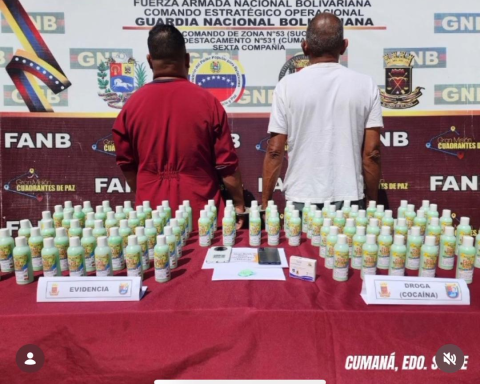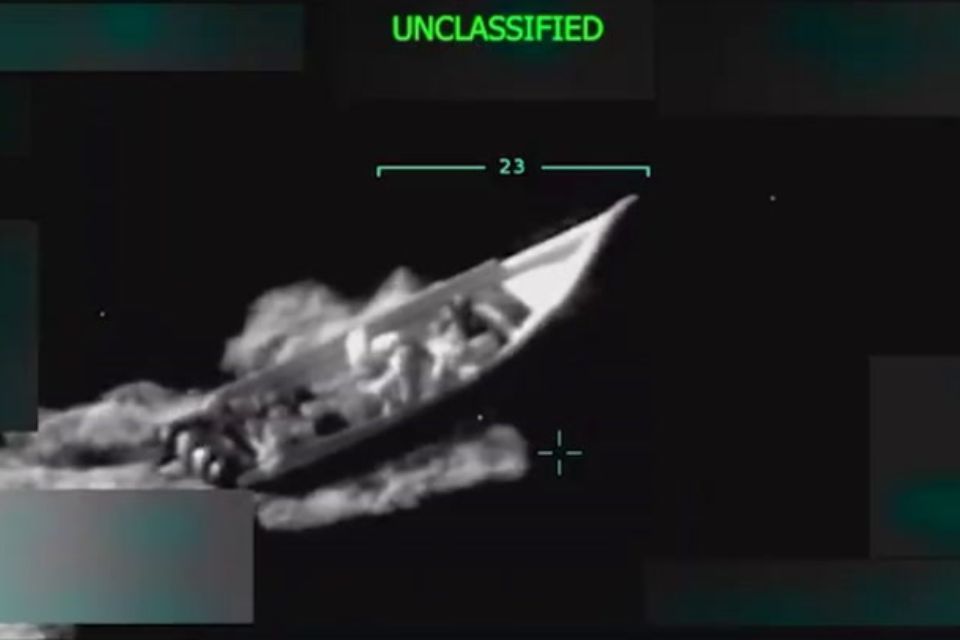
The authorities have not announced an investigation into the death of 11 Venezuelans who, according to the United States, transported drugs to Trinidad for the Aragua train. One of the alleged occupants of the “Narcolacha” was identified as Reybis José Gómez Oliveros, 25 years old and resident of San Juan de Unare. Relatives denies that another man, whose photo circulated in the media, has died in that fact
The videos in social networks about San Juan de Unare have not stopped. Condolences to the relatives of the deceased and defense to the fishing tradition of the town, located in the Peninsula of Paria (Arismendi municipality, Sucre state), are combined with materials on the alleged identities of any of those involved in the “narcolanche” that the United States sank in the Caribbean waters in early September.
To date, it is not known if there is a formal complaint for the death of these people in Venezuelan territory, but information about some of the possible deaths have circulated.
According to Giuseppe Gangi, an engineer who systematized the acts collected by the opposition in the presidential 2024, one of the occupants of the “narcolanche” It is Reybis José Gómez Oliveros, aka “El Cat”.
Gangi, who thanked an influencer called “the fame” for helping to confirm the data, indicated that Gómez Oliveros was born on August 25, 2000 and was a resident of San Juan de Unare. Within its publication, users comment that the young man is the son of Richard José Gómez, aka “El Páza”, who allegedly led the operations but was not aboard the boat.
In the social network Tiktok it is also clarified that one of the people, whose photo was posted in several media, did not move in the “narcolanche” and, in reality, He died on August 20. The name user Jirka García has said – in response several comments – that her husband died “drowned” in a mine and the photo that has circulated in networks was taken in a mining camp.
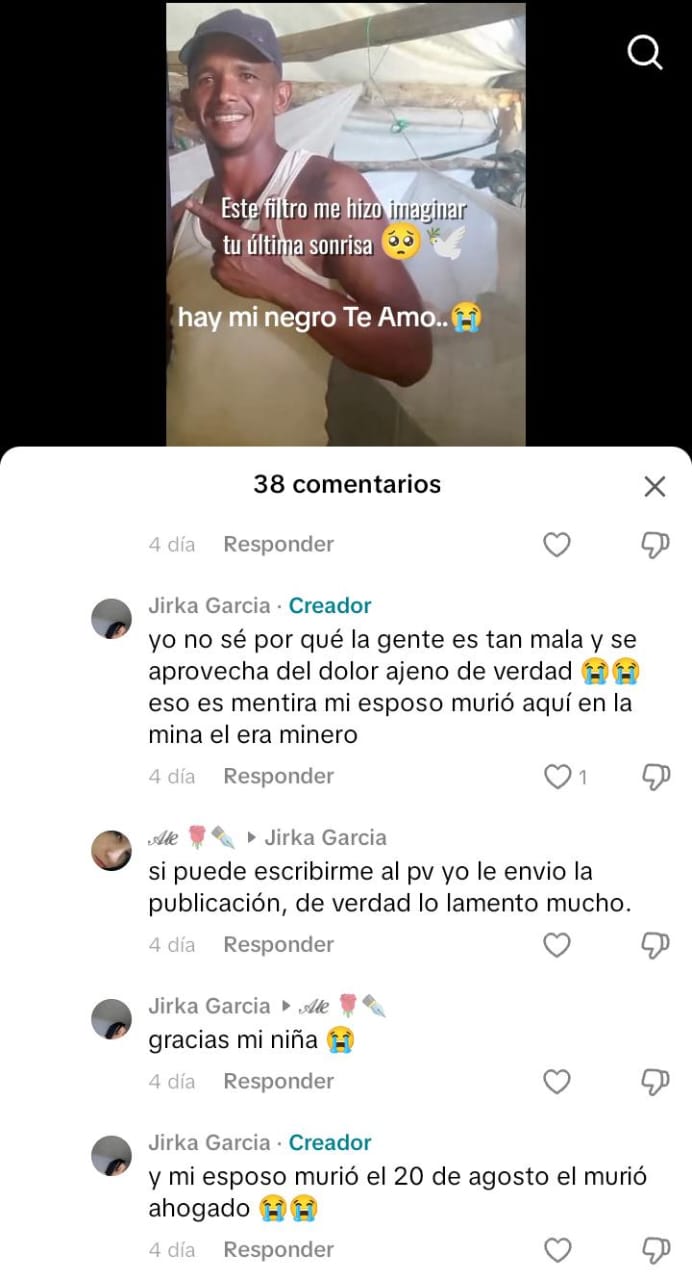
Precisely, one of his publications about his deceased partner coincided with the dates on which the boat was sunk. “My husband died and now calgan (sic) in the networks with false testimonies,” Garcia said.
On the other hand, the president of Colombia, Gustavo Petro, solicitous to the government of Trinidad and Tobago that seeks remains of the dead or the boat «of which we do not know if he carried drugs, and if he had them he should not have been bombarded. The bombing was in Territorial Sea of Trinidad and Tobago, did the Government of the island give permission? Life is always and anywhere.
This citing information published in the Trinitense half CNC3on the remains of the vessel that have appeared – presumably – in Tobago waters.
The president of the Association of Fishermen of that island, Curtis Douglas, confirmed that fishermen have found remains that can belong to the “narcolanche”, while requested the pronouncement of the authorities as the premises fear being confused with traffickers.
“Our fishermen sail at 64 and 80 kilometers, at a lot of depth, and could easily be confused with people who are doing anything, drugs or whatever, and be dragged into the water,” said Douglas.
Change narrative of “narcolanche”
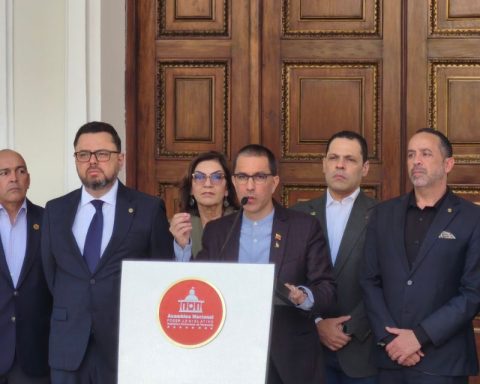
Venezuelan authorities have gradually changed the narrative about the situation. The first to refer to the situation was the Minister of Communication, Freddy Ñáñez, who said that the video released by the administration of Donald Trump on September 2 was created with artificial intelligence.
The Attorney General of the Republic, Tarek William Saab, said it was a “false flag operation” last Friday. This Monday, both Interior Minister, Diosdado Cabello, and Nicolás Maduro referred to the facts.
*Also read: Maduro about attack on “Narcolacha”: “Hopefully everything is clarified”
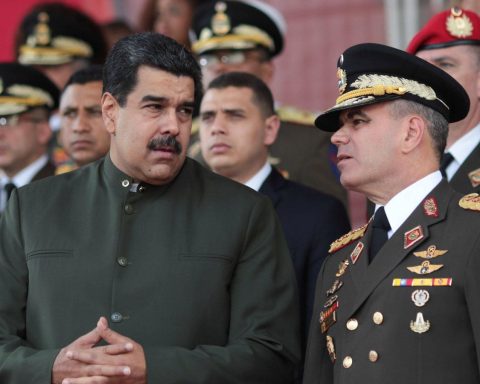
While Maduro said that the video left the US very badly stopped throughout the debate that was generated and expects “everything to clarify,” the Minister Cabello said That the US government does not want to speak “of the murder of 11 people (…) said it was a ship and ended up resulting in a rock.”
In addition, Cabello said that “every time people review what happened there it is shown that what there was was a massacre against citizens. What were they committing a crime? That is why the laws are, but that does not give him the right to kill anyone ».
*Journalism in Venezuela is exercised in a hostile environment for the press with dozens of legal instruments arranged for the punishment of the word, especially the laws “against hatred”, “against fascism” and “against blockade.” This content was written taking into consideration the threats and limits that, consequently, have been imposed on the dissemination of information from within the country.
Post views: 706