The Morelia case (September 15, 2008): a symbolic milestone
The night of the cry in Morelia, two fragmentation grenades exploded among the population gathered in the central square; The attack caused at least eight dead and more than a hundred injured according to contemporary chronicles, and marked a precedent: the violence of organized crime had directly attacked massive civil events. The event generated national consternation and was qualified by authorities as a terrorist act perpetrated in the context of the war against the cartels.
Months and years later the investigation showed serious failures: detainees that retracted confessions, allegations of torture and judicial decisions that ended up leaving accused of violations of due process. The most visible invoice was impunity and permanent damage to citizen confidence in the institutions responsible for protecting it.
The war in Sinaloa: fragmentation, features and collateral damage
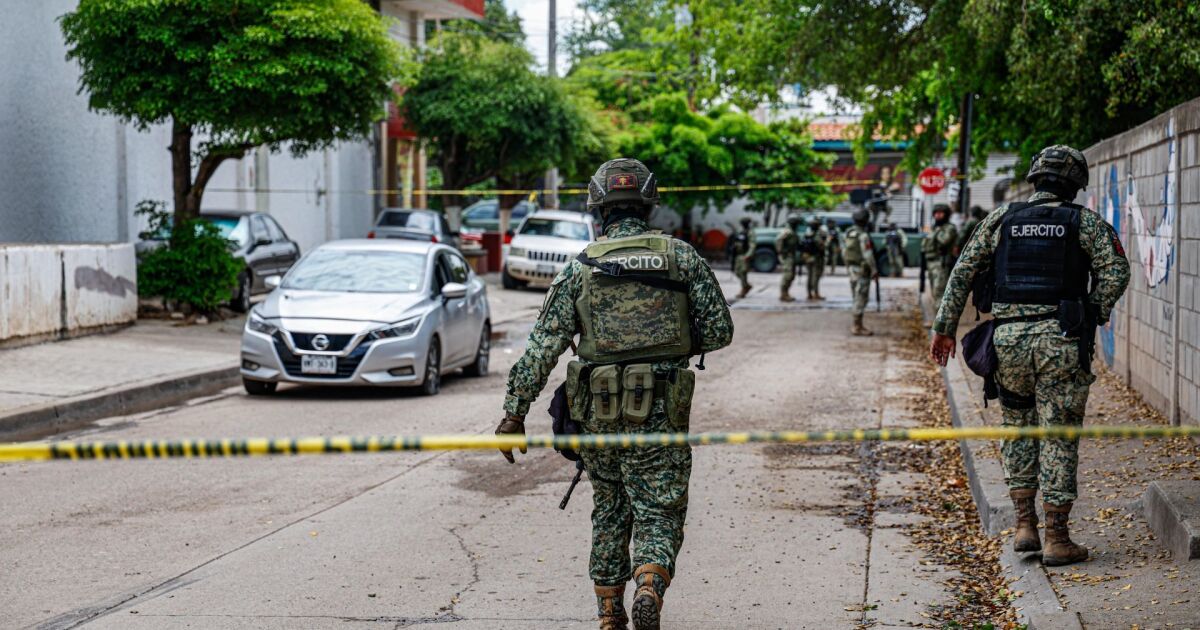
In contrast to Morelia’s punctual attack, the emergency in Sinaloa – visible with particular crudeness since September 2024 – is an intra -organizational war between factions of the Sinaloa cartel itself (the so -called “Chapitos”, the faction of El Mayo and other subgroups) that unleashed clashes, blockages and executions in cities such as Culiacán.
In a few months, hundreds of dead and missing were reported; Journalistic and conflict monitoring estimates indicated figures ranging from dozens daily to more than a hundred deaths and hundreds of disappearances in short time windows, with paralyzed cities and a massive military presence.
The hateful comparisons: patterns, objectives and effects
– Object of violence. Morelia’s attack was – in its form – an action aimed at creating symbolic impact and social fear, an external message to the state and the population. The war in Sinaloa, on the other hand, is a dispute over territorial control, routes and logistics networks; His violence is daily and sustained.
– Organizational dynamism. Morelia exhibits the ability of an actor (or actors) to project selective violence in holidays; Sinaloa shows the consequence of fragmentation and internal competition that multiplies armed actors, which increases the unpredictability of the conflict.
– Institutional impact. Both events underline structural weaknesses: investigative inefficiency and high impunity in the first case, and a limited state capacity to contain a prolonged urban war in the second. Militarization, far from solving fragmentation, has accentuated it in many regions.
Criticism …
Traditional responses – massive operative and emblematic arrests – have shown limited effects: they dismantle temporary leaderships but produce gaps that translate into territorial wars and indirect violence against civilian population. At the same time, forensic weakness and corruption in research chains have fed impunity – as the Morelia case illustrated – and undermined state legitimacy.
The proposals that no one is going to take into account …
– Transition to a civil and intelligence security strategy: Prioritize criminal intelligence units with judicial control and focus on financial disarticulation and logistics (monitoring of precursors and washing networks), not just blows of force. This requires interoperability and accountability.
– Focalized binational agreements: Intensify cooperation with the US in traceability of weapons and control of chemical precursors, with expedite judicial exchange protocols and policies to reduce demand/market in the north. The evidence points to a correlation between weapons from the United States and lethality in Mexico.
– Comprehensive Reform of Procuration and Expertise: Create Autonomous Forensic Units, with international standards and expert protection to avoid test and torture manufactures, in addition to repair programs for victims (Morelia case as precedent).
– Social prevention and territorial microeconomics: Economic replacement programs oriented to strategic municipalities (employment, local governance, access to services) to reduce the offer of criminal labor and restore social fabric.