While logistics ports and operators claim a dredging to 34 feet to transform the Uruguay River into an alternative against the recurrent downspouts of Paraná, the CARU advances with a tender that will only keep the current drafts: 23 feet to Concepción del Uruguay and 17 to Paysandú, from 2026.
The contrast is clear. The private sector sees in the Paraná crisis – which generates cost overruns of up to US $ 500 million annually – a historical opportunity: enable Uruguay for Panamax ships with full load, reducing freight and attracting trade of the Argentine coast and southern coast of Brazil. Studies estimate that river transport can be up to 40% cheaper than the road, but that benefit is diluted with transfers bound by the lack of depth.
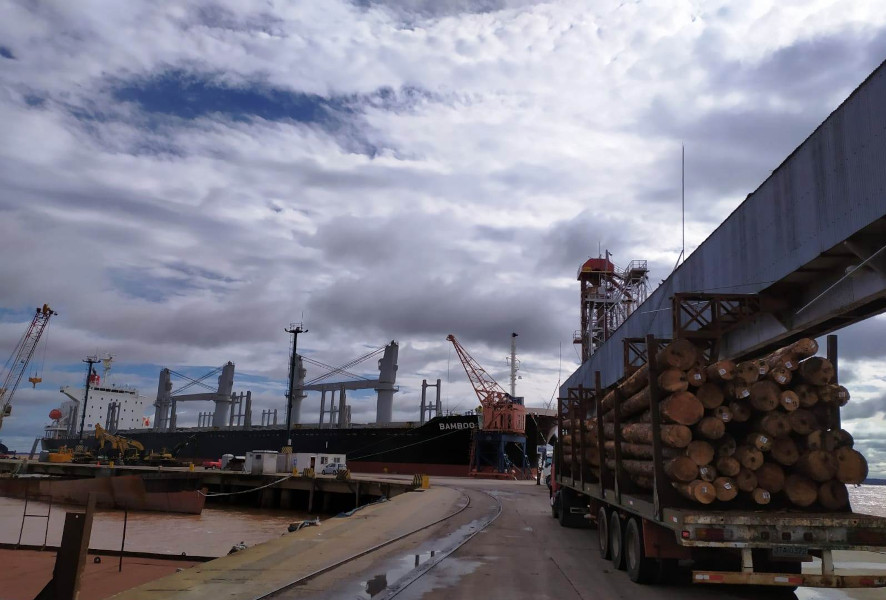
Today, Fray Bentos moves more than 1.5 million tons per year, mainly cellulose, and Paysandú about 200,000, in grains, wood and citrus. Both ports could multiply their activity with a larger dredging, but with 17 and 23 feet their potential is limited: Paysandú will continue to be relegated to the cabotage and Fray Bentos to the cellulose, without capturing large -scale grains.
The posture of the CARU responds to his mandate: ensure current maintenance. An extension project would require environmental studies, definition of financing and, above all, binational political will.
The new tender does not rule out the 34 feet, but neither does it enable them. The dilemma is strategic: conserve a marginal route or bet on a hydrovy that drives regional development? The depth of political decisions will determine the depth of the river.