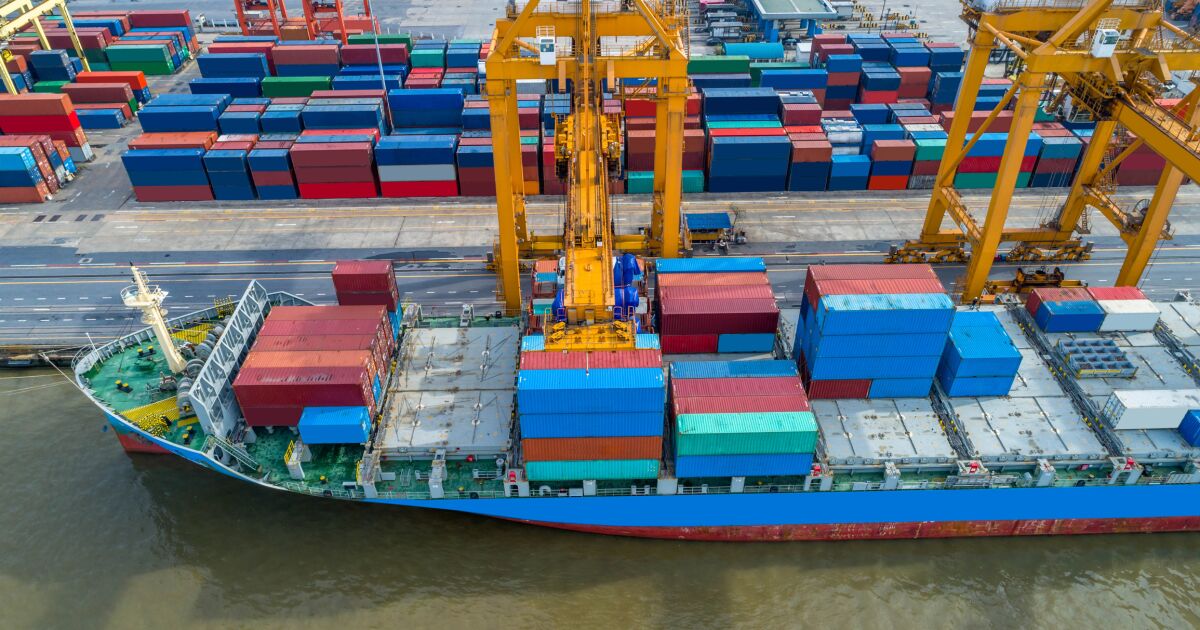
Mexico has consolidated a wide network of Free Trade Agreements (TLC) that allow you to access international markets without paying tariffs. This strategy has been key to the country’s competitiveness, as it encourages the investment of countries.
These agreements regularly impact strategic sectors such as manufacturing, automotive industry, technology allowing market diversification.
How many free trade treaties does Mexico have
According to the Ministry of Economy, Mexico has 14 signed treaties involving 50 countries. These agreements allow the country to maintain a preferential commercial relationship with its main partners, facilitating access to key markets and reducing export and import costs.
FTAs have been fundamental for foreign trade growth, allowing more than 80% of Mexican trade to be carried out under agreements that guarantee tariff and regulatory benefits.
What are and what are they
Next, the treaties that Mexico has signed until 2025:
- Treaty between Mexico, the United States and Canada (T-MEC): replaced NAFTA in 2020 and includes modernized regulations in digital trade, intellectual property and rules of automotive origin.
- Free trade treaty between the European Union and Mexico (TLCUEM): facilitates trade between Mexico and the EU, eliminating tariffs in key sectors and promoting investment.
- Comprehensive and progressive treatise of transpacific association (Tipat): connects to Mexico with 10 economies of Asia-Pacific, strengthening its presence in high growth markets.
- Free Trade Agreement with the European Free Trade Association (TLC AELC): It includes Switzerland, Norway, Iceland and Liechtenstein, promoting the reduction of commercial barriers.
- Free trade with Israel: establishes an economic cooperation framework and facilitates bilateral trade.
- Free trade with Japan: provides preferential access in sectors such as automotive industry and electronics.