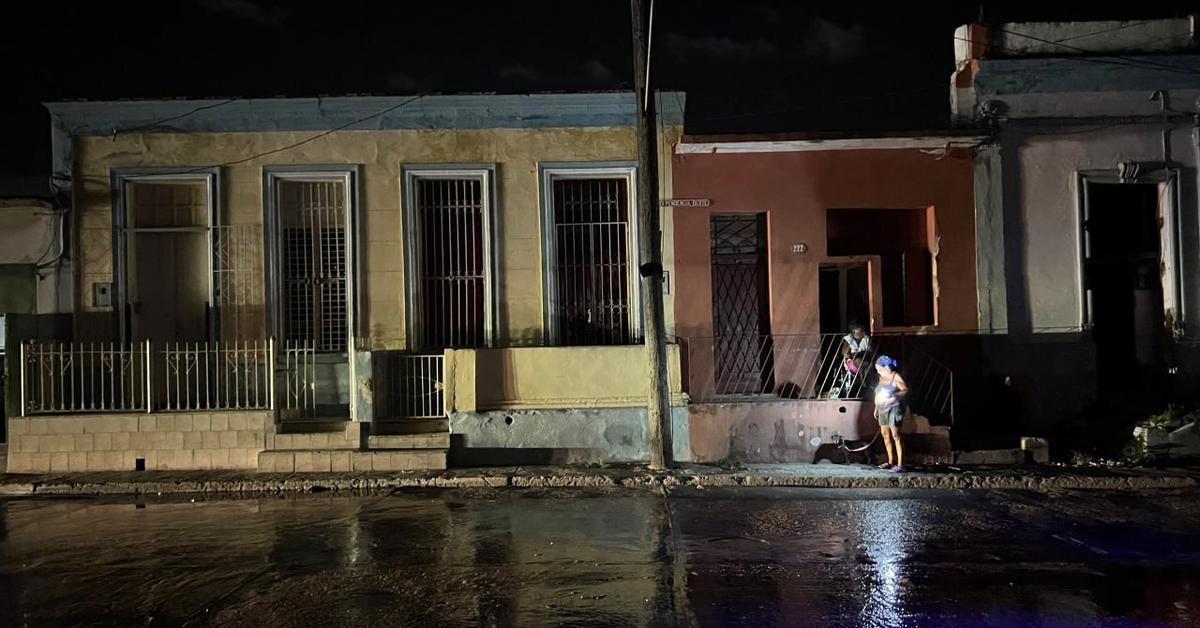
Malaga/The light that returns after blackout hours is celebrated as an event in Cuba. The arrival of an oil ship gives rumors and headlines that relieve, even for a few days. A frozen chicken package in the winery can become the central conversation of a neighborhood. And now, even the rumor of an alleged “phase 10” circulates – a ten -year promise seen, more invention or metaphor than real plan – that functions as the most sophisticated version of that deferred reinforcement: a distant carrot that never resolves the hunger of the present, but that keeps the citizen trapped in the waiting. A kind of “terminal phase” of a finished regime and without exits, disguised with the language of the plans, the stages and … the eternal: “we are taking measures.”
Logic is clear: absolute deprivation destroys, but intermission maintains living hope. Power knows it. Skinner knew when he showed that pigeons, when pecking an album without knowing when they would receive the food, did it more insistence than if the reinforcement were predictable. Any mother or father who manages whims with counts to consolidate desired behaviors knows. And it also knows a regime that makes the day to day an experiment of behavioral psychology: I do not give you what you deserve, but I offer you occasionally a spark, a respite, a promise. And that is enough for you to remain expectant and docile, not rebellious.
The Cuban people, caught in this cycle, live between anxiety and hope. Thanks the bulb that turns on again, even if it goes out tomorrow. Celebrate the pound of rice, even if the meat is missing. He clings to the announcement of an economic plan at ten years, although he knows that the previous plans were never fulfilled.
How many times do you have to peck the album to get the joy of lighting a lamp, eating normally, living without shocks?
In the end, the question is inevitable: how many times do you have to peck the album to get the joy of lighting a lamp, eating normally, living without shocks? I feel it personally when I wait for the next call to see my “false” nephews – ten and three years old – who I want as if they were mine. Each encounter with them is for me a gift. But that gift does not arrive as long as I look for it. His mother manages those visits as if they were an unexpected concession. Sometimes he warns me at the last minute: “If you want to see them, come now, let’s go.”
From my academic psychologist training, I recognize the mechanism: it is a variable contingency reinforcement program. I don’t know how many times I have to accept their rules, or when the reward of being able to be with children will come. That uncertainty causes anxiety, but it also keeps me expectant, with the hope set on the next call.
Something similar told my mother about her childhood in the difficult Spain of the forties, that of the ration card similar to the “notebook” Cuban. In Reyes they gave him a doll, but after playing a while they were kept “so that he would not spoil” until the following year. The gift existed, but it became deprivation. The illusion was mixed with frustration.
This is what an entire country feels today, turned into an intermittent reinforcement laboratory, where life is reduced to waiting for the next “prize”, which is only to want to live with dignity.