In a step that indicates the duality of commercial policy towards Cuba, the president Donald Trump He announced the extension for one year, until September 14, 2026, of the licenses authorizing exports from the United States to the island.
Despite the hardness of its administration in expanding and maintaining the economic embargo, this renewed permission demonstrates that commercial transactions, especially in agricultural foods and products, keep validity and represent a national interest for Washington.
The extension was formalized through a memorandum Dated on August 29, aimed at the Secretaries of State and the Treasury, which maintains the powers under the Commerce Law with the enemy, decreed in 1917, to regulate that restricted trade.
Authorized exports despite the embargo: figures and conditions
The exceptions to the embargo imposed by the United States in 2000 allowed the first significant sales of agricultural foods and products to Cuba, a measure that began from December 2001 and that increased considerably during the Obama administration.
Since then, Cuban imports from the United States, which today include both from the private and state sector, have accumulated expenses greater than 7.9 billion dollars, including products as diverse as cars, industrial equipment, construction materials, pharmaceutical supplies and medical products.
According to data from US-Cuba Trade and Economic CouncilIn May of this year, agricultural sales reached 37 million dollars, the highest monthly figure registered to date.
In total, between January and May exports of food and agricultural products – such as soybean and jojoba, coffee and tire extracts – added 205 million dollars, an increase of 16.6 % compared to the same period of 2024.
However, these operations are carried out under strict regulations: all orders must be managed through state entities or companies linked to the Cuban government, and require early payments, a condition that, according to Cuban officials, makes trade more expensive and limits its scope.
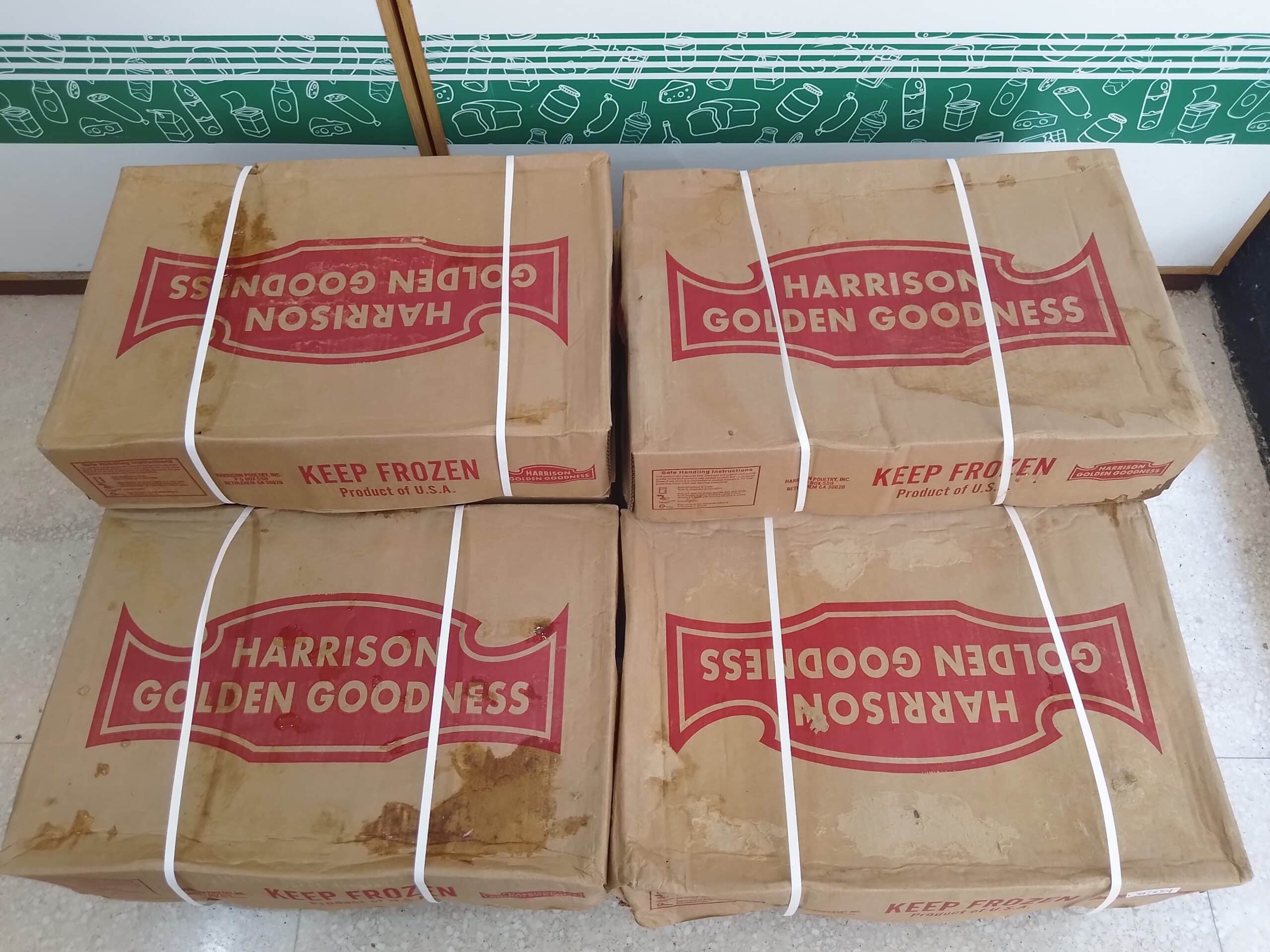
“There are those who say that there is no blockade because Cuba can buy all the chicken in the United States; and I would tell you, it is true, Cuba can buy all the chicken you want in the United States, but the problem of who makes that analysis is that it does not take into account that it has to be made through early payments and mechanisms that have been hardening the frame of regulations,” explained in August the diplomat Johana tablada to the channel AlmaPlustv.
US agricultural sales to Cuba reach record levels, despite Trump’s new sanctions
Losses for Cuba by the embargo, according to the official narrative
For Cuba, the embargo imposed by the US since 1960 and expanded in 1962 represents losses that the Cuban government has estimated in thousands of millions over decades.
In September 2024, Foreign Minister Bruno Rodríguez reported that Cuba suffered losses for 5,56.8 million dollars from 2023 to 2024 as a result of the United States economic, commercial and financial blockade.
By presenting to the National and Foreign Press the most updated report on the effects of the American fence, the Cuban Foreign Minister stressed that the economic damage experienced from March 1, 2023 until February 29, 2024, showed an increase of 189.8 million with respect to the previous report.
The approximate involvement of more than 421 million dollars per month, more than $ 13.8 million daily, and more than 575 thousand 683 dollars in damages for each hour of blocking.
Regulations and legal framework under the Enemy Commerce Law
The extension measure signed by Trump keeps Cuban asset control regulations in force (31 CFR Part 515), which manage and restrict financial and commercial transactions with Cuba under the embargo.
These regulations, in force for more than sixty years, prohibit trade, but grant specific exceptions for humanitarian or strategic interest products.
Historical context and punitive continuity
The economic embargo to Cuba began partly in October 1960, formally in retaliation to the nationalization of US industries on the island, and extended completely in 1962.
However, the declared purpose was to suffocate the nascent revolution that soon became involved with the Soviet block and declared himself a socialist in a formidable strategic challenge for Washington and his regional hegemony.
Since then, the successive US administrations, both Republican and Democrats, have formally renewed these sanctions year after year, maintaining a consistent policy, but at the same time with nuances and specific exceptions.
Former President Joe Biden signed in 2024 the extension of the embargo until September 2025, and this Trump administration continues that line with the official extension now by 2026 through this provision on the licenses that regulate the limited trade.