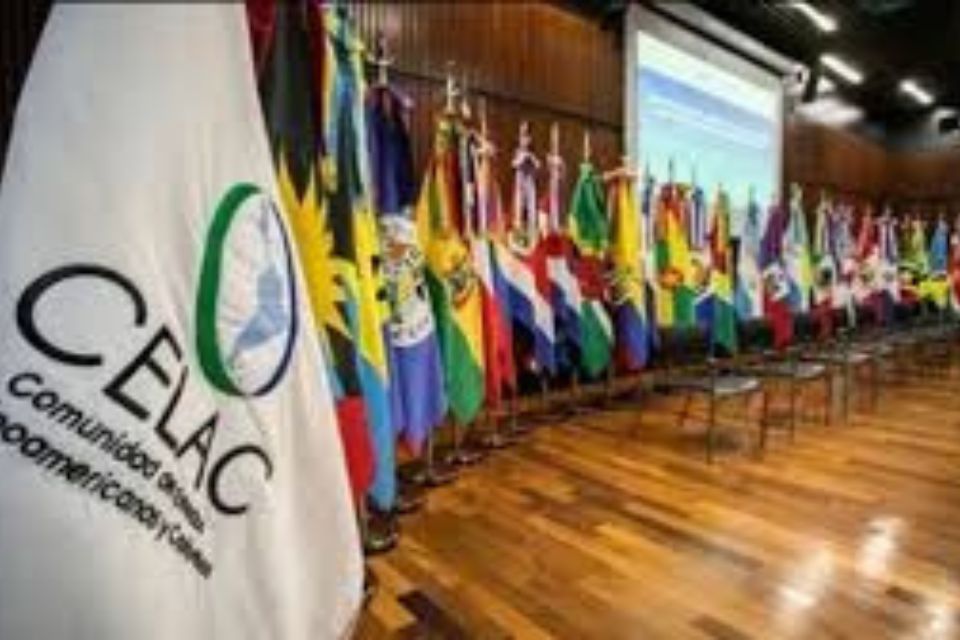
The CELAC countries called “to promote a safe environment,” while reiterating “their firm commitment to the defense of peace, stability, democracy and development throughout the region”
A twenty of the 33 countries that make up the community of Latin American and Caribbean states (CELAC) expressed its “deep concern” to the “extra-regional” military deployment, referring to the latest maneuvers of the United States Army in the area, in particular, in the Caribbean waters near the coast of Venezuela.
The resolution was widespread By the president of Colombia, Gustavo Petro, who stressed that “the vast majority of CELAC members sign for peace in Latin America and the Caribbean.”
The president stressed that it is not an official statement of the agency since “a minority opposed”: Argentina, Costa Rica, Ecuador, El Salvador, Guyana, Jamaica, Paraguay, Peru and Trinidad and Tobago.
The countries called “to promote a safe environment,” while reiterating “their firm commitment to the defense of peace, stability, democracy and development throughout the region.”
In this sense, they have recalled that “Latin America and the Caribbean have been proclaimed as a peace zone”, which includes support to: “the proscription of the threat or use of force, the peaceful solution of controversies, the promotion of dialogue and multilateralism, unrestricted respect for territorial sovereignty and integrity, non -interference in the internal affairs of the internal affairs of the states of the states. peoples to self -determination ».
*Also read: US displays combat airplanes in the Caribbean in the midst of tension with Venezuela
Likewise, they have echoed the treaty for the proscription of nuclear weapons – known as Tlatelolco’s treaty – that “turned our region into the first densely populated area of the free world of this type of armament.”
These countries, including Chile, Uruguay, Cuba, Mexico or Brazil, have recognized that “transnational organized crime and drug trafficking constitute a significant threat to reach peaceful and inclusive societies” and in this line, they have shown their willingness to combat them “in a priority way, increasing regional and international cooperation in the framework of respect for international law.”
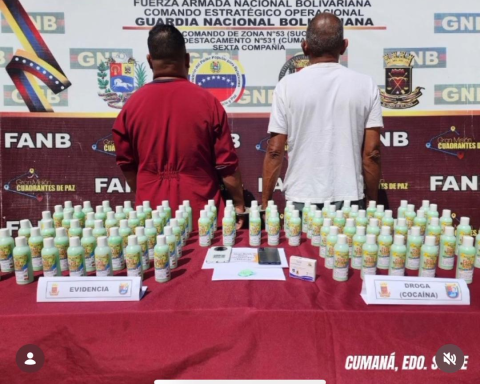
Petro’s message arrives in the middle of the growing hostilities between the US and Venezuela following the maneuvers of the Donald Trump administration. This week an attack by the US army was reported against a Venezuelan vessel claiming drugs for the Aragua train. In the action 11 people died.
This Thursday, the Department of Defense denounced that two Venezuelan military planes fly over a ship from the US Navy, an issue they pointed out as a “highly provocative action.”
With information from Europa Press
*Journalism in Venezuela is exercised in a hostile environment for the press with dozens of legal instruments arranged for the punishment of the word, especially the laws “against hatred”, “against fascism” and “against blockade.” This content was written taking into consideration the threats and limits that, consequently, have been imposed on the dissemination of information from within the country.
Post views: 680