Havana/Cuban Foreign Minister Bruno Rodríguez, he accused Poland on Thursday to undergo Washington after Warsaw grant a prize To the historic Cuban dissident Berta SolerLeader of the Blanco Ladies.
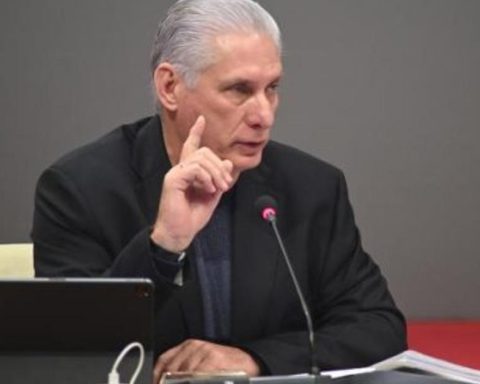
Rodríguez, an official visit in Beijing with the Cuban president, Miguel Diaz-Canel, thus replied on social networks to a comment from his Polish counterpart, Radoslaw Sikorski, following the delivery of the Solidaridad Lech Walesa award.
“Minister: Cubans live in freedom and democracy since January 1, 1959 (Day of the Triumph of the Revolution), although the United States government has been trying to submit, as it has been able to with others,” he wrote Rodríguez In an apparent reference to Poland.
Sikorski had previously responded To a message on the social network X of Rodríguez emphasizing that the prize was granted to those who “struggled peacefully for freedom and democracy” and added that the Cubans “deserved” both.
Sikorski wrote that the prize was awarded to those who “struggled peacefully for freedom and democracy”
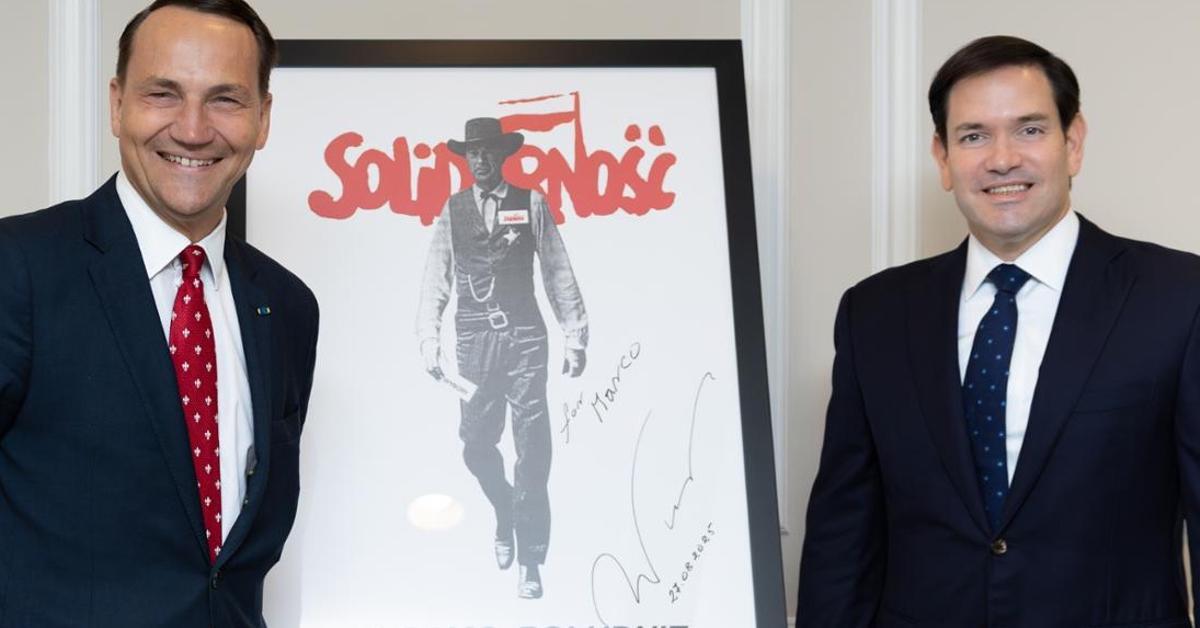
The Polish Foreign Minister also clarified that, despite having been announced in a joint act with the US Secretary of State, Marco Rubio, the prize was a Polish initiative fully financed by that European country.
In his message, Sikorski cited a previous reaction from Rodríguez in which the Cuban Chancellor said that the prize was part of the “Rubio Corrupt and Anticuban Agenda” and seemed to point out that the endowment was “money from the US taxpayer.”
The Poland Foreign Ministry acknowledged Soler with the Solidaridad Lech Walesa Award, endowed with a million Polish Zlotis (about 273,400 dollars), which is awarded to “support the actions of those who, fighting for solidarity and democracy, change the course of history.”
Soler said shortly after statements to Efe that the prize is “the result of 22 years of struggle in Cuba for the freedom of all unjustly imprisoned political prisoners and for all the rights of Cubans” with the ladies of Blanco.
The movement that Soler leads arose at the initiative of a group of women, all of them relatives of the 75 dissidents and independent journalists detained and sanctioned in March 2003 to high prison convictions during the repression period known as black spring.
From then on, the wives, mothers and other relatives of those prisoners identified themselves for always dressed in white and, after attending Mass in a Catholic temple, began to make Sunday marches to ask for their release and became a symbol of dissent.
In 2005, Blanco ladies received the Sájarov Prize for the freedom of conscience of the European Parliament.