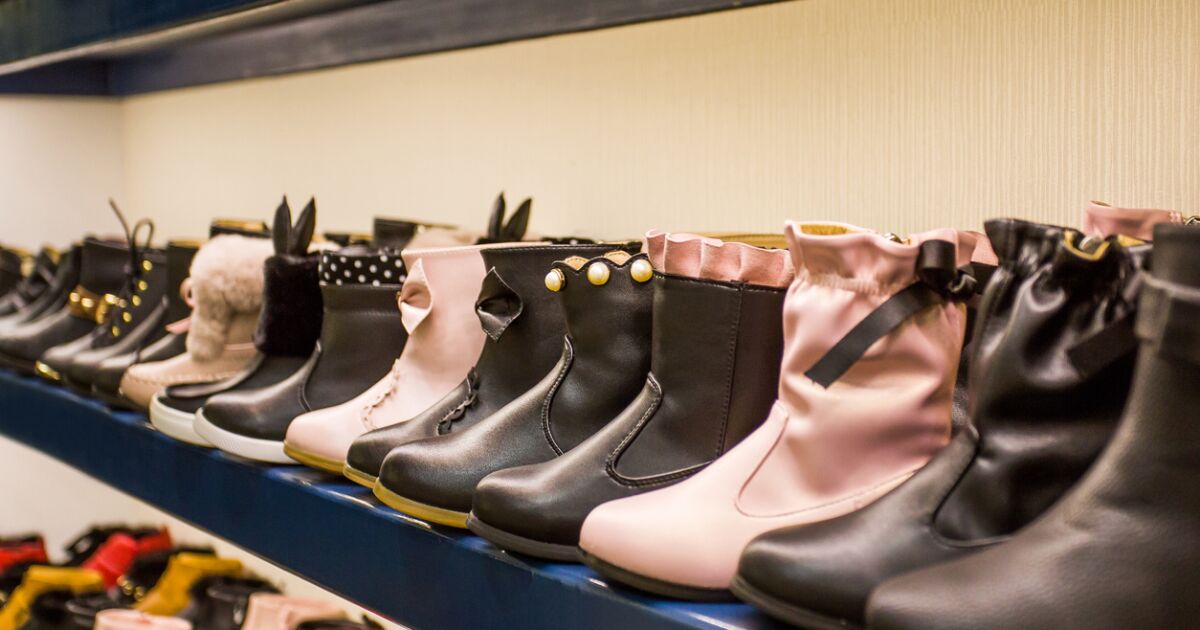
The investigation started in April 2024. The file covered boots, sandals and tennis for sports and casual use. All with a common denominator: They arrived in Mexico with margins of Dumping that displaced national manufacturers. The evidence accumulated during three years of analysis and confirmed what the shoemakers of León and Guadalajara shouted from their workshops: the competition was not fair.
In the preliminary phase, the government had already applied quotas between 12.13% and 17.99% to Chinese companies such as Apache Footwear and Zhejiang Bidibi Shoes. Now, with the final decision, the measures are ratified and add to a 35% tariff decreed in 2024, which will remain in force for two years. The objective is clear: stop the tide of cheap shoes that threatens to suffocate Mexican factories.
At the table, global firms such as Adidas, Nike, Puma and Coppel were represented, along with more than 30 Mexican producers, including Grupo Panam and Evapol Industrial. The chambers of the sector supported the measure, warning that the informal market already equals 30% of the formal market, which multiplies the damage caused by low -cost imports.
The process was developed with public audiences, technical meetings and rounds of allegations. The possibility of conciliatory hearings by importers and exporters was even requested, but the Secretariat discarded them for not providing sufficient elements to correct price distortions. The Foreign Trade Commission endorsed the project by majority in its session of August 1, 2025.
Dumping’s coup occurs in a context of fragility for the Mexican industry, which faces mass imports, falling profitability margins and an internal market invaded by illegal products.
With this resolution, the government seeks to level the pitch and give oxygen to a sector that provides thousands of jobs in states such as Guanajuato, Jalisco and the State of Mexico.
The measure will begin to be applied since September 4.