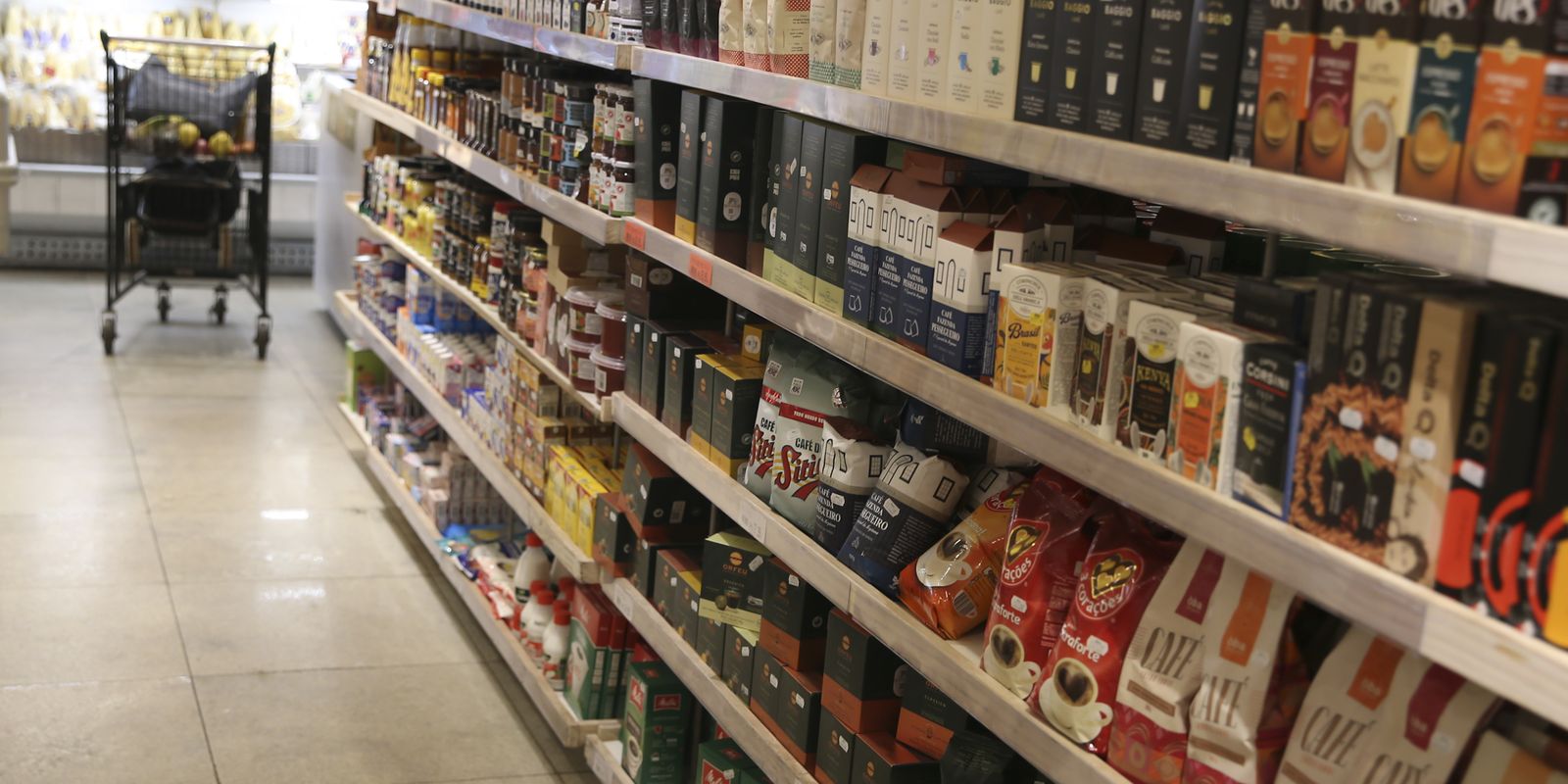
Consumption in Brazilian homes in supermarkets recorded a 4% increase in July compared to the same month of 2024, according to a survey by the Brazilian Association of Supermarkets (Abras), released on Thursday (21).
Compared to June, consumption growth was 2.4%, while in the year to July, the indicator raised 2.6%.
The data were deflated by the Broad National Consumer Price Index (IPCA) of the Brazilian Institute of Geography and Statistics (IBGE).
“Interanual growth of 4% reflects a movement sustained by improving income and labor market. In monthly cut, July often has a retraction because of school holidays, when many families choose to consume away from home. This year, this effect was less intense, both from June and the same period as 2024,” said Vice President of Abras, Marcio Milan.
According to the entity, the increase in consumption in July is linked to labor market indicators, such as the improvement of income and unemployment rate, which fell to 5.8% in the quarter ended in June, the lowest level since 2012, against 6.9% in the same period as 2024.
Family Bolsa
The survey of Abras shows that the decrease of people benefited by Bolsa Familia in July, due to the increase of family income and the fall of unemployment, did not cause retraction of families consumption. In July, nearly 1 million families ceased to receive the benefit. R $ 13.16 billion were allocated to 19.6 million beneficiaries, against R $ 14.2 billion paid to 20.83 million in July 2024.
“The lowest volume of funds for the income transfer program indicates that families who began to support themselves only with labor income maintained the financial autonomy and even strengthened their purchasing power in food retail,” said Milan.
Prices
The basket of 12 Basic Abras products retreated 0.44% in July, compared to June. The national average price fell from R $ 353.42 in June to R $ 351.88, in July. In the month, six items recorded retraction: rice (2.89%), beans (2.29%), roasted and ground coffee (1.01%), mozzarella cheese (0.91%), spaghetti semolha (0.59%) and wheat flour (0.37%).
Four products presented residual falls: beef (0.06%), cassava flour (0.01%), creamy margarine (0.06%) and long life milk (0.11%). The only increases were observed in refined sugar (0.63%) and soybean oil (0.46%).