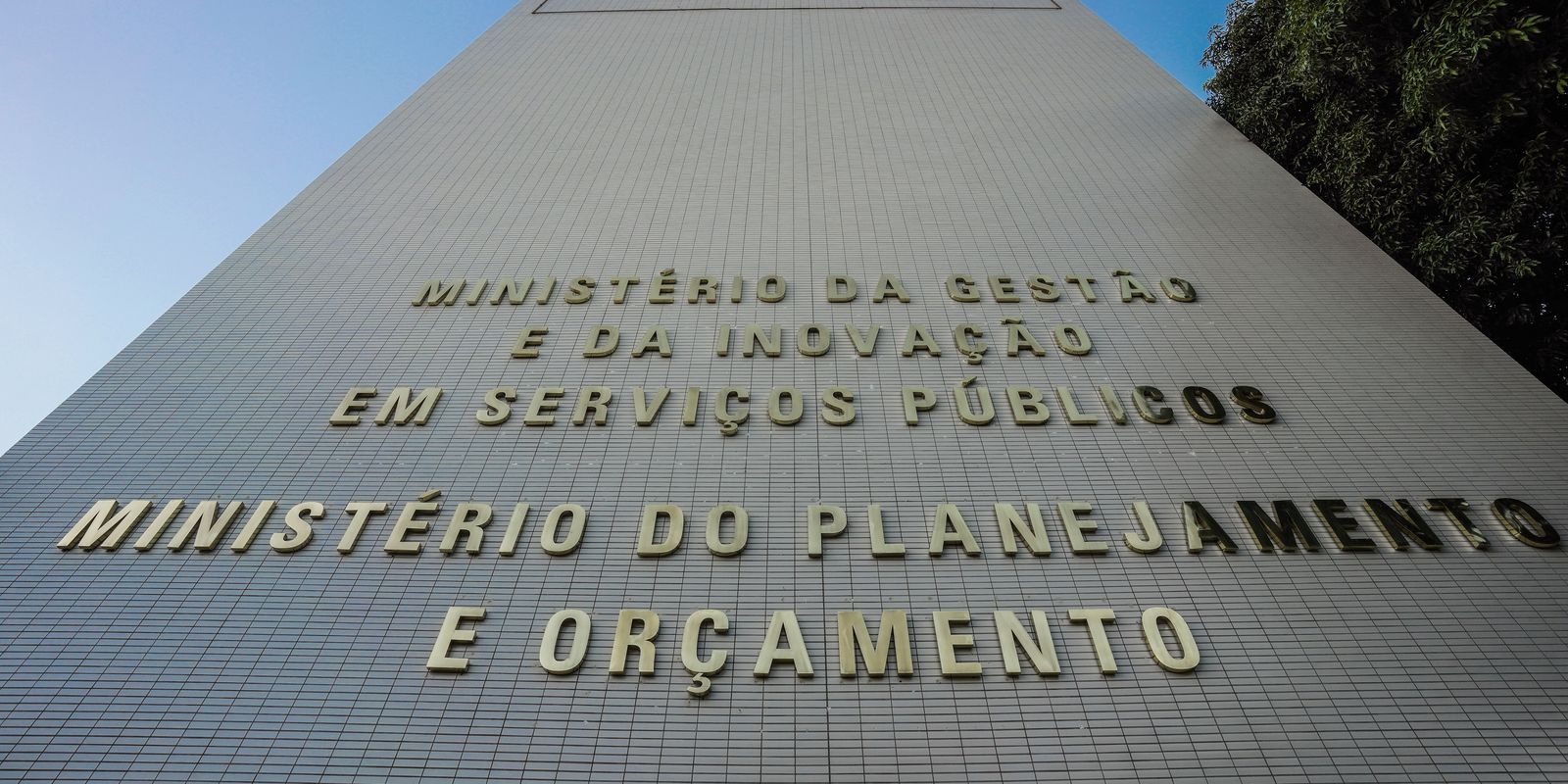
For the first time in 4 years, the Union subsidies retreated, released on Tuesday (19) the Ministry of Planning and Budget. The fall occurred both in proportion of Gross Domestic Product (GDP, sum of goods and services produced in the country) and in real values (discounted inflation).
Last year, federal subsidies totaled R $ 678.4 billion, a 2.71% decrease compared to 2023, when subsidies had a peak of R $ 697.3 billion, in amounts corrected by inflation. Compared to GDP, the proportion went from 6.1% in 2023 to 5.78% in 2024.
Union subsidies include the following items:
- Tax waivers with tax benefits;
- Financial benefits (coverage of parts of loan costs with budget resources or transfer of debt management to the Union);
- Credit Benefits (implicit subsidy, through cheaper interest on credit lines coupled by the Treasury outside the federal budget).
According to the planning, the main cause of the fall in subsidy In 2024 it was the end of the exemption on fuelswhich cost R $ 31.3 billion to the Union in 2023. In 2022, former President Jair Bolsonaro zeroed the rates of the Social Integration Program (PIS) and the contribution to social security financing (Cofins) to gasoline, ethanol, diesel, biodiesel, natural gas and cooking gas.
On January 1, 2023, President Luiz Inacio Lula da Silva signed a provisional measure that restored the original rate on gasoline and ethanol throughout that year and rehored the other fuels on January 1, 2024.
Evolution
In 2015, the volume of union subsidies had reached R $ 644 billion (6.66% of GDP). The value fell to R $ 458.2 billion in 2020 (4.66% of GDP), but started to grow in the following years, reaching the following values, before retreating in 2024:
- 2021: R $ 565.2 billion (5.26% of GDP);
- 2022: R $ 672.3 billion (6.11% of GDP);
- 2023: R $ 697.3 billion (6.1% of GDP);
- 2024: R $ 678.4 billion (5.78% of GDP).
Tax benefits
To reduce federal subsidies and free up space for compliance with the tax framework, the economic team has defended the reduction of tax benefits. During negotiations to find alternatives to the decree that raised the Financial Operations Tax (IOF), part of Congress proposed a bill that reduces the Union’s subsidies. The subject, however, faces resistance in parliament.
The fall last year could have been greater if the congress did not approve the Extension of payroll exemption until 2027. The measure, informed the planning, made the government stop raising R $ 26.4 billion last year: R $ 15.8 billion with the exemption to 17 sectors of the economy and R $ 10.6 billion with the exemption of the contribution of small municipalities to social security.
Other incentives extended by Congress, however, also increased federal subsidies. The extension of the Perse, a help program for companies in the event sector, extinct this year, made the government stop raising $ 17.7 billion last year.
Challenges
Although the Executive Branch reversed part of the tax incentives in 2023 and 2024, other benefits rose from value, especially those related to individual income tax. The tax waiver with exempt and non -taxable income rose from R $ 51.6 billion by 2023 to R $ 57.7 billion by 2024, in nominal values, without the correction of inflation. Legal deductions in income tax, including health and education, went from R $ 34.2 billion to R $ 38.3 billion in the same comparison.
Credit
The drop in subsidies was more intense in the credit benefits, which retreated from R $ 86.5 billion (0.76% of GDP) by 2023 to R $ 49.8 billion (0.42% of GDP) in 2024, in inflation corrected. The fall was mainly influenced by the lowest implicit cost – cheaper interest coverage cost – in operations with funds from the Merchant Navy Fund (FMM) and the Worker Support Fund (FAT).