Although for many decades an exclusively monetary form predominated to measure the richness of nations, Global economic organizations currently coincide on the importance of taking into account indicators on sustainability and the well -being of the population. However, there is now another indicator that remains in force. What is it?
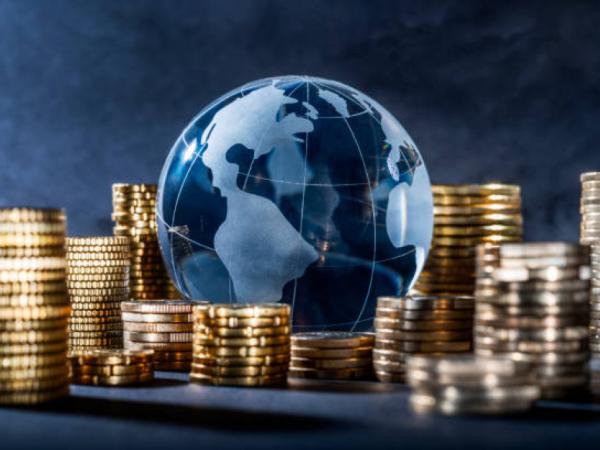
The Gross Domestic Product (GDP) It became the most popular indicator to measure development, reflecting the value of goods and services produced in a given year.
However, this reductionist vision soon began to show its limits: a high GDP does not always translate into well -being for the population or guarantee that economic growth is sustainable over time.
At present, international organizations such as The World Bank and the United Nations Development Program (UNDP) warns that evaluating only GDP can give an incomplete or misleading image of the prosperity of a countrysince growth can occur at the expense of environmental degradation, the depletion of natural resources or the precariousness of work, factors that compromise the future of the following generations.
In this new scenario, the look is set in a more comprehensive approach that recognizes the importance of human capital, that is, the skills, education, health and productive capacity of the population.
For this reason, investing in people is, according to experts, the key to guaranteeing sustainable, inclusive and fair development, which not only measures how much a country produces, but how its people live.
(Read more: The 7 Latin American countries that would be regional power in 2035, according to AI)
GDP
Source: Istock
Current indicators of the wealth of a country
To understand the true richness of a nation with greater precision, today different indicators that complement – and in many cases exceed – to the traditional GDP:
• Human Development Index (HDI): Prepared by UNDP, it combines data of life expectancy, education and income, offering a vision closer to the real welfare of the population.
• Gini coefficient: It measures inequality in income distribution, revealing whether growth benefits everyone equally or concentrates on a minority.
• Human capital index: promoted by the World Bank, analyze the health, nutrition and educational level of people to project the future productivity of a country.
In addition to these indicators, the World Bank It suggests a balance of all the assets of a country: natural capital (forests, water, fertile soils, minerals), the capital produced (infrastructure, buildings, machinery) and, above all, human capital, which represents most of the wealth in most economies.
As this global entity points out, investing in health, education and training, while protecting natural resources and diversifying wealth sources, it is the best way to guarantee not only economic growth, but also future prosperity.
(Read more: Few know him, but everyone wants to return: the most precious little town in Cundinamarca)
What are the countries with the largest GDP in the world?
According to Forbes India article Published in July 2025, the Gross Domestic Product (GDP) nominal of the 10 largest countries in the world in 2025 is the following. These data are based on estimates of the International Monetary Fund (IMF) from July 2025:
USA: $ 30.34 billion
China: $ 21.52 billion
Japan: $ 4.91 billion
Germany: $ 4.42 billion
India: $ 4.19 billion
United Kingdom: $ 3.40 billion
France: $ 3.13 billion
Italy: $ 2.42 billion
Canada: $ 2.23 billion
South Korea: $ 2.05 billion