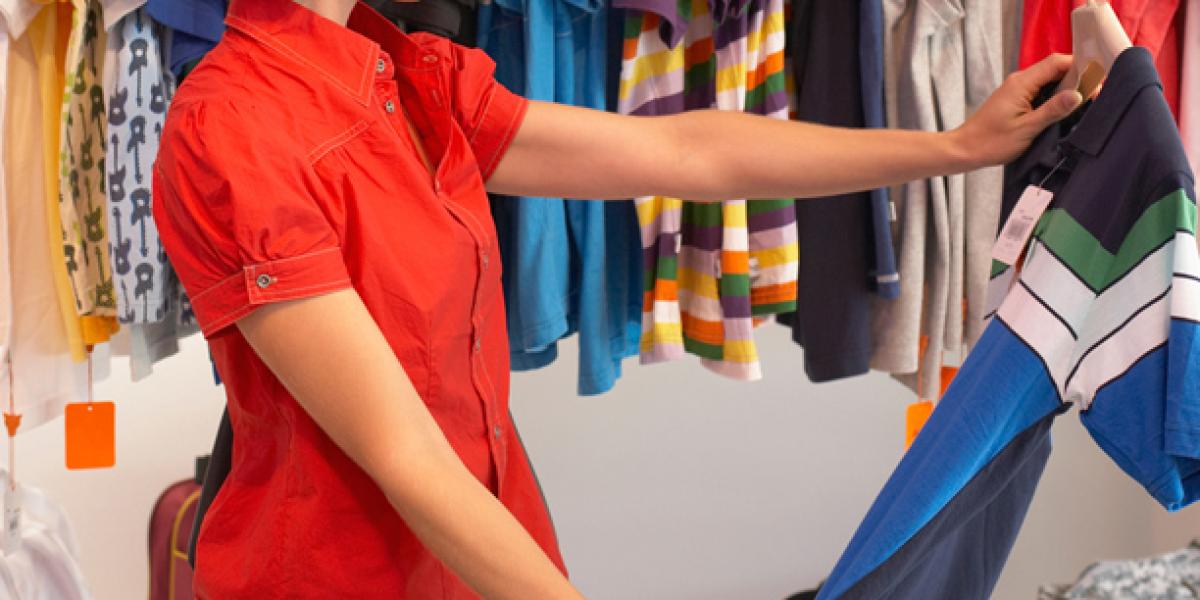
The Circular fashion It is a sustainable alternative against the excessive consumption of clothing. Promoted by young people, independent designers and digital platforms, it is a trend that seeks to prolong the useful life of garments through recycling, repair, resale and creative transformation of textiles that, otherwise, would end up in the trash.
In addition, it responds to a double need: reduce environmental impact of the textile industry, which is responsible for tons of waste and polluting emissions every year, and offer more accessible options for conscious consumers. Even so, the main challenge is to expand its scope nationwide, since the culture of the “Fast Fashion” still predominates.
Given this, There are several local organizations and businesses that promote education campaigns on responsible consumption that support community projects that generate income through clothing recycling.
Recycling program
The Startup Re. Collect It promotes new life cycles for garments and textiles in a sustainable way, through a clothing collection program that prolongs its useful life through reuse and recycling.
To do this, apply four points:
- Harvest: They receive the clothes used in the different places where their allies are.
- Classification: separate garments that are for reuse or recycling.
- Reuse: Garments in good condition have a second life.
- Textile recycling: They remove the closures, elastic and buttons from the clothing that does not apply for a reuse, since it will be transformed into materials for the automotive industry.
Recycling modules
Re. Collect has a Allied companies where your clothing containers are located; Even some of these companies offer discounts on their products after you left your clothes.
Among his allies are: C&A, Envato, Imaginalco, the Government of Guadalajara, Ecolana and Grupo Gagante. To know the location of the participating stores, da Click here.
What can be reused or recycled?
The Startup receives is clean, dry and inside a bag:
- Clothing of any quality or brand; For example, sweaters, vests, pants, coats, costumes, sweatshirts, shorts, blouses, leggings t -shirts, socks, shirts, dresses, skirts, bags, ties, pajamas, jeans and underwear, among others.
- House textiles such as bedding, towels and tablecloths.
- Shoes that are suitable to reuse them.
Instead, what they do not receive They are wet or dirty garments, pieces, clothes and whites from hospitals, sanatoriums or similar, uniforms and shoes in poor condition.