Criminals from organizations such as the Michoacan family, Los Zetas and the Jalisco cartel, among others, were included among the 26 drug traffickers sent to the United States.
“It is not at my table. That is, at the trade table, we are not playing extraditions or security issues. At first it was, but it is no longer the case. Among others, because the border in terms of migration was never better,” he said.
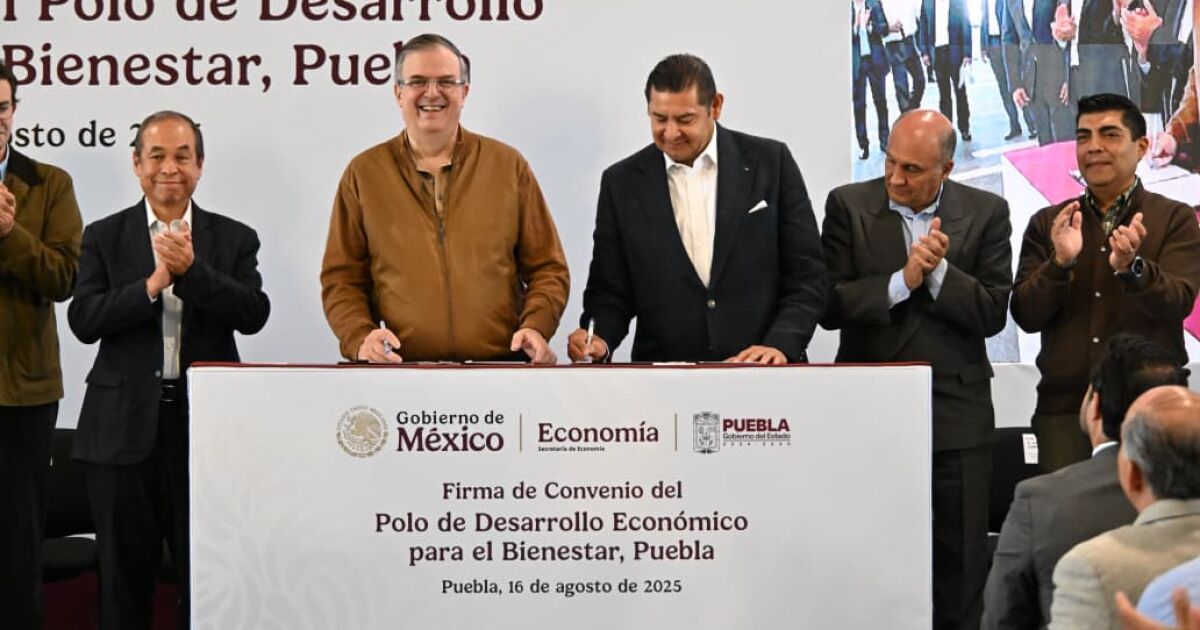
Marcelo Ebrard argued that the security issue was out of tariff negotiations, because Mexico has done an important job in fighting criminal gangs and drug trafficking.
“Fentanyl has collapsed 70% according to the United States, according to figures from their authorities. Regarding how much fentanil they are ensuring in the south of their country, at the border with us, there is, they are their figures. They are by actions taken in Mexican territory, by our own policy,” he said.
Mexico seeks better position in tariffs
Last June, US President Donald Trump announced an increase in tariffs on the importation of steel and aluminum, which went from 25% to 50%.
In this context, the Secretary of Economy added that Mexico maintains negotiations with the United States to achieve a reduction in tariffs applied to steel and aluminum, as well as avoid the extension of taxes to derived from these materials.
Ebrard said that the goal is that Mexico’s position at the end of the process is more favorable than that of any other country. According to the official, the deadline for reaching an agreement is 90 days from the last conversation between President Claudia Sheinbaum and President Donald Trump, which places November as the deadline.
“Our president (Claudia Sheinbaum) has built an important relationship with President (Donald) Trump. I would say a special relationship in relation or compared to other countries. So, that will also work in us.