He Ministry of Health communicated that it seeks to promote actions to eradicate cervical cancer disease within the objectives established in the goals of the 2030 Agenda.
The Minister of Health, Víctor Atallah, stressed that Cervical cancer remains a silent threat that disproportionately affects women, and that its eradication requires coordinated and sustained action, for which it is working with all international sectors and organizations to accelerate its elimination.
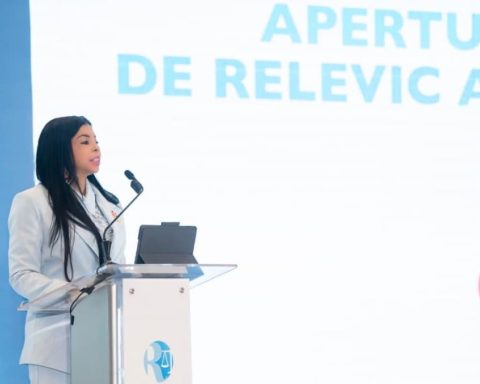
The official offered the information in the forum had as specific goals align the country with the strategies of the World Health Organization (WHO) to 2030, reduce mortality from this disease, Present the new clinical practice guide for the screening, detection and treatment of precancerous lesions and Strengthen human papillomavirus vaccination (HPV).
Atallah said that, in line with the GMO Global Strategy, The country works to meet the goals set for 2030 to vaccinate 90% of girls against the human papillomavirus (HPV), sieve 70% of women with high precision tests for HPV and treat 90% of women with precacese lesions or cancer detected.
The head of Health said that in the country there is only one purpose to guarantee access to diagnostic methods and treatments necessary for all women, especially to those of risks and situation of vulnerability or deprived of liberty, regardless of your socioeconomic status or your place of residence.

He stressed that the implementation of The HPV test as a primary screening method is backed by scientific evidence and WHO recommendations, allowing more precise detection, optimizing resources and reducing the loading of the disease.
On his side, the Deputy Minister of Collective Health, Dr. Eladio Pérez, said that this space constitutes “A concrete expression of the national commitment to protect the life and health of women”, Following the road map marked by WHO to eliminate cervical cancer as a public health problem.
The WHO/OPS representative in the country, Alba María Ropero, congratulated the country for becoming a regional reference in the integral approach to cervical cancer. He also highlighted the important advances achieved by the country, among which he cited the early introduction of the Human Papillomavirus (HPV) virus, The implementation of the National Plan for the Elimination of Cervical Cancer and the launch of the clinical scarf practical guide, among other strategic actions.