UNDP records an increase in mental health problems in the region and warns how this can affect the democratic life of countries, distorting the perception of reality and potentially influencing electoral decisions and the political sphere
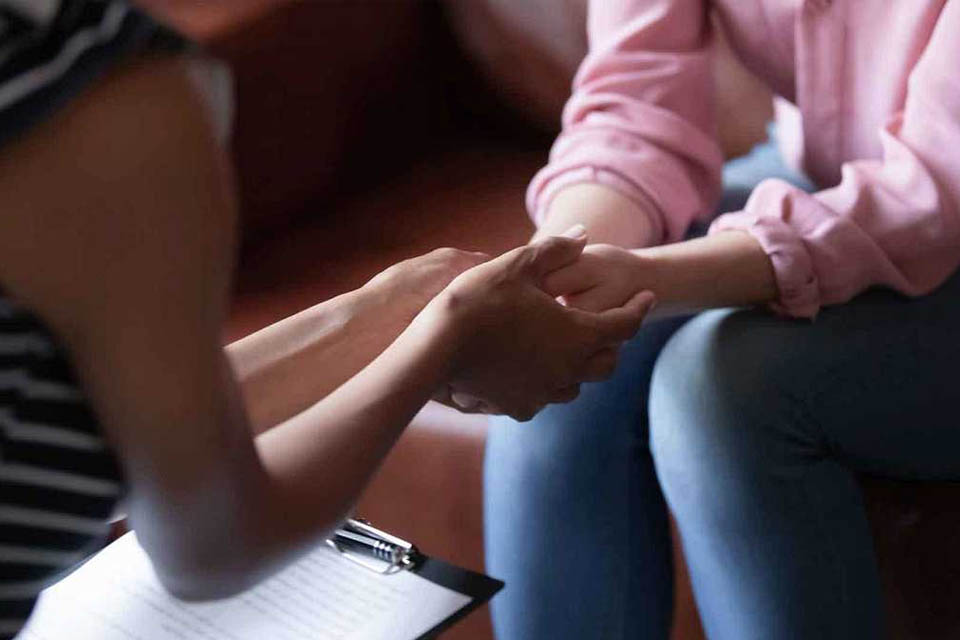
One in four people in Latin America and the Caribbean will experience a mental health disorder throughout their lives. Anxiety and depression in its inhabitants exceeds world averages, indicates a new study of the United Nations Development Program (UNDP).
The report, entitled “Fort on the outside, fighting inside”, highlights that the deterioration of mental health in Latin America and the Caribbean, ceased to be a taboo issue and became a public health problem in the region.
UNDP data
- In 2021, 7.3 % of the population of the region had an anxiety disorder, compared to 6.4 % in OECD countries (Organization for Economic Cooperation and Development, Industrialized Nations) and 4.7 % worldwide.
- Two decades ago, Latin America and the Caribbean and the OECD countries had a similar prevalence (around 5.5 %), but the gap has increased.
- Depression has also grown, from 3.5 % in 2000 to 4.4 % in 2021, although it is still slightly below the OECD level (5.1 %).
- Anxiety and depression are 1.8 times more common in women than in men: nine vs. Five percent in anxiety, and six vs. three percent in depression.
- Male suicide rates in Latin America and the Caribbean are significantly higher than female, which suggests that many men are going through silence in silence due to stigma around expressing emotions.
Source: UNDP calculations based on the study of the World Morbidity Load (GBD) 2021, Institute for Health Metrics and Evaluation (IHME, 2024).
What are the causes
- The COVID-19 pandemic accelerated this crisis. The confinements, economic uncertainty and fear of infection joined existing pressures.
- A constant digital connectivity “that blurs the boundaries between work and rest, while opening the door to cyberbullying and social comparison.”
- A social fragmentation that weakens community ties and isolates people, and a changing climate that generates emotional and economic stress.
- The rapid adoption of smartphones and the normalization of the use of social networks have aggravated the situation, especially among young people.
- Excessive use of screens has been related to alterations in sleep patterns and greater vulnerability to mood disorders in adolescents.
What about medical care
- Mental health services are scarce throughout the region, and their affordability remains a challenge.
- Low availability of specialists: on average, Latin America and the Caribbean have 3.4 psychiatrists per 100,000 people, well below the average of more than 18 in OECD countries.
- Rural and unattended communities face even greater limitations. Even when a diagnosis is achieved, access to treatment is not guaranteed.
- Interruptions in the supply chains of psychotropic medications often prevent continuous and quality care.
- Most countries in the region allocate less than three percent of their national health health budgets.
Recommendations
- Increase investment and integrate mental health care in primary care services, especially for people in rural or marginalized areas.
- Rely on technology. Using digital online therapy platforms, support networks and mobile applications can complement traditional treatments.
- Integrate mental health services into community schools and spaces as a way to reduce stigma and feeling of exclusion.
- Improve data collection and report in the region that allow effective policies.
*Also read: UCAB publishes “Psychomapa”: a tool to locate psychological services in the country
In summary
Mental health problems in the region have been increasing, but not the investment of governments in medical care services; To this is added the absence of updated data that allow to see the dimension of the problem.
The United Nations Development Program suggests increasing investment in care programs and warns how mental health can have implications for democratic life: depression, he says, can distort the perception of reality, potentially influencing electoral decisions and political sphere.
“These great scope impacts point out that supporting mental well -being is not only a matter of care, but a central element to expand freedoms and build resilient societies,” he concludes.
With UNDP/IPS information
*Journalism in Venezuela is exercised in a hostile environment for the press with dozens of legal instruments arranged for the punishment of the word, especially the laws “against hatred”, “against fascism” and “against blockade.” This content was written taking into consideration the threats and limits that, consequently, have been imposed on the dissemination of information from within the country.
Post views: 151