Although they have a strong reduction from 2019, fuel theft records directly from Transpetro ducts (Petrobras subsidiary) rose again in 2025. The data are part of a survey released by the company, the largest duct operator in the country.
Until June 30, 2025, there were 17 cases, which represents an average of 2.83 per month. In 2024, there were 25 all year round, equivalent to the average of 2.08. This difference means 36% increase in the monthly average.
Transpetro calls theft of “clandestine derivation” fuel when criminals drill holes in underground structures to deflect liquid products from the pipes. In February, for example, a Action in Rio de Janeiro He pointed to contraventor Vinícius Dumond as leader of a gang.
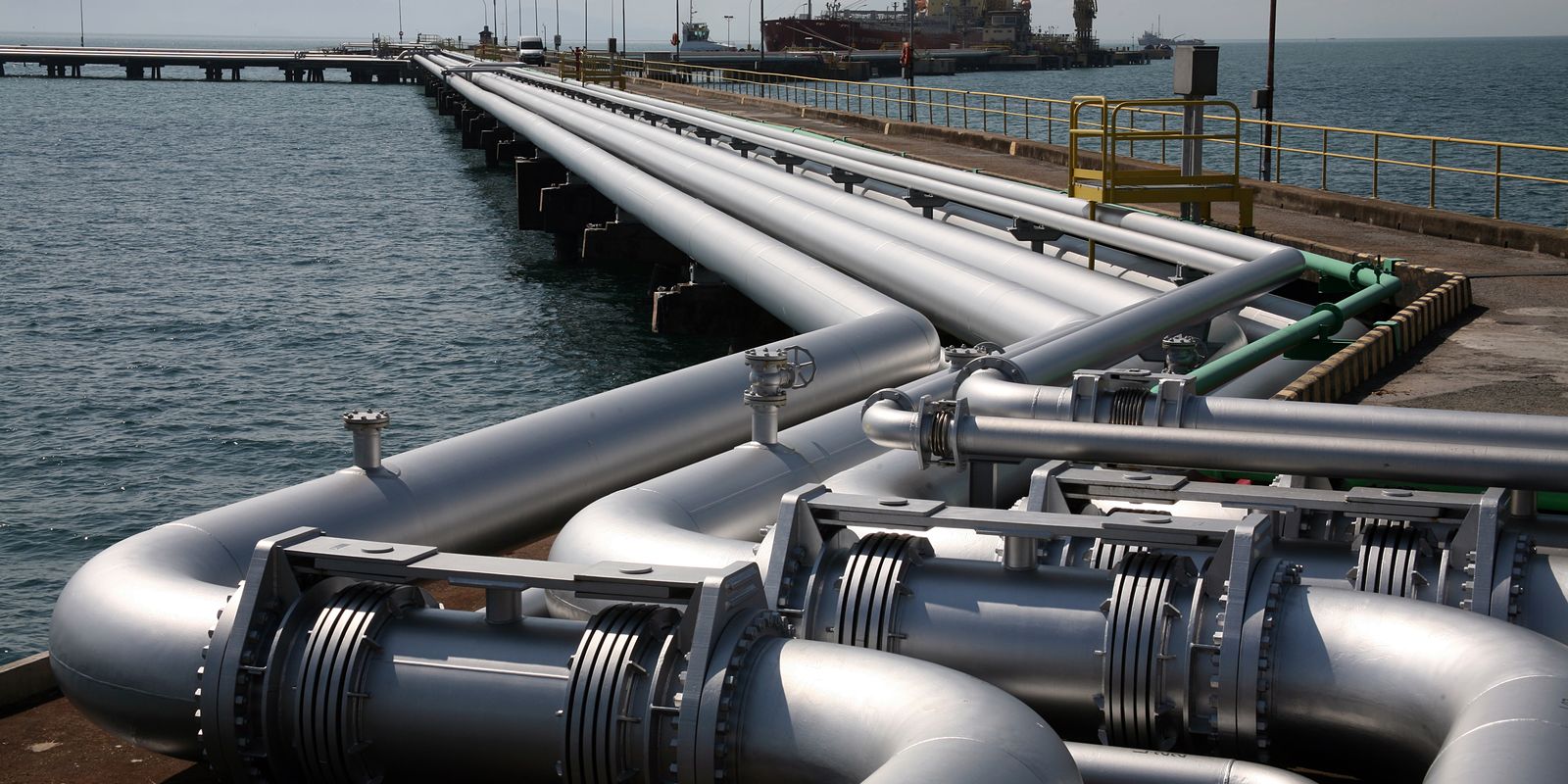
Transpetro operates a logistics mesh of 8.5 thousand kilometers of ducts across the country. For size, this distance is equivalent to a straight line from Porto Alegre on Christmas, round trip. In these tubes, petroleum and derivatives such as gasoline and diesel are transported. Oleodutos are the main ways to make oil to reach refineries.
In addition to financial loss, Duct theft can cause other negative effects such as shortcomings of regions, environmental damage and risk to the safety of involved and neighboring communities.
Company figures show that The case record was in 2018, with 261 occurrences identified. In the next two years, the cases were about 200, falling to 102 in 2021. Transpetro does not disclose the amount of damage caused by theft.
| Check out the evolution year by year: | |
| 2018 | 261 |
| 2019 | 203 |
| 2020 | 202 |
| 2021 | 102 |
| 2022 | 58 |
| 2023 | 28 |
| 2024 | 25 |
| 2025 | 17 to June |
Prevention and Security
The Company informs that invests R $ 100 million annually to expand safety in the duct range.
According to Transpetro duct protection manager, Júlio Barreto, even with the case reduction trajectory in recent years, Thefts are still a concern“For a clandestine derivation is enough to bring damage to the environment or to the people.”
Barreto explained to Brazil agency that the most intense reduction observed at the beginning of the decade is due to the implementation of the duct protection center, which operated at the headquarters of the subsidiary, in Rio de Janeiro.
“An area dedicated to exclusive monitoring, aiming at third party actions in duct ranges that operates uninterruptedly 24 hours a day, seven days a week.
The executive manager detailed that the company adopts an integrated strategy to reduce theft, which combines:
- Technologies for rapid remote detection of leakage;
- Specialized inspection teams;
- Strategic partnerships with public (state and federal) and security bodies;
- Awareness effort with communities neighboring the ducts about the importance of communicating to the state so sign or distrust of criminal action.
In defending the integrity of duct systems, Transpetro emphasizes that this means of fuel transport avoids 99.5% of greenhouse gas emissions – causing global warming – compared to road transport. A single day of duct transport is equivalent to removing more than 20,000 tank trucks from the highways.
Dial 168
The company leaves at the disposal of any citizen, 24 hours a day, free and with anonymity guaranteed the Dial 168, telephone service for complaints and suspicions. The number is a reference to August 16 (16/8), the day chosen by Transpetro for a series of awareness activities in various locations.
On Saturday (16), there will be actions in Alagoas, Amazonas, Bahia, Ceará, Espírito Santo, Pernambuco, Rio de Janeiro, Rio Grande do Sul, Santa Catarina, Sao Paulo and Sergipe.
Services will be offered to the population, such as issuing identity portfolios, vaccine application, pressure and glucose measurement, oral health services, as well as cultural presentations.
CRIMINAL PROFILE
The profile of criminals acting in this field requires, according to sources linked to the theme, a certain degree of specialization. Thieves need to be aware of piping holes and extract and transport the fuel. Crime fighting operations have already caught gangs making use of a tanker truck valued at R $ 300 thousand.
Criminals prefer to act in remote areas, far from large centers and populous neighborhoods, as well as choose the night time as a way to make the theft go unnoticed. Another means of hiding clandestine derivation is to subtract reduced volumes.
In some cases, when theft is done at night, criminals make a kind of camouflage in the perforated duct, so that the crime is not perceived the next day. There are sophisticated gangs to the point of renting properties near where underground ducts pass and dig tunnels to the structure.
According to Transpetro, company teams specialize to detect the minimum signs of irregularity. Drones and Artificial Intelligence (AI) tools are also employed in prevention and combat.
Legislation
Transpetro argues that the crime of clandestine adulteration is better typified and co -billed by the legislation. Four bills (pls) are processed in Congress.
- PL 8.455/2017 and PL 1,482/2019: Typify the crime;
- PL 131/2021: turns into a heinous crime (extremely severe);
- PL 828/2022: Increases penalties provided for in the Penal Code.
Barreto points out that PL 8.455 “aims at hardening the penalty for those who commit this offense, which is currently comparable to the crime of common theft”.
“Transpetro carefully follows the PLS related to the theme and is available to contribute technically to the debate,” he says.