The setback of dollar At the global level, it has reduced its attractive investment assets, which is motivating a portfolios rearrangement towards instruments in other currencies, including those of emerging countries, said Hugo Perea, chief economist for Peru of BBVA Research.
“The least expected profitability in dollars leads investors to reduce their holdings in this currency and to demand assets called in other currencies. The dollar has lost space in the world,” Perea said Peru21.
Global Variable Income Funds excluding the United States registered their largest capital tickets in more than four and a half years, because investors redirected resources outside the US market in the face of concern for the economy, high valuations of shares and depreciation of the dollar.
“Global Variable Income Funds excluding the United States captured net tickets for US $ 13.6 billion, the highest level since December 2021. In contrast, funds focused on US shares registered exits for US $ 6.3 billion, accumulating its third consecutive month of bailouts,” said Reuters.
What is the relationship between the United States inflation and the exchange rate?
The recent market behavior is explained by positive reaction to July inflation data in the United States. The year -on -year rate remained at 2.7%, below the expectation of 2.8%, while the underlying inflation – which excludes food and energy – was slightly higher than expected.
Like the Central Reserve Bank of Peru (BCR), the United States Federal Reserve (FED) aims to bring annual 2%inflation. If the price index is stabilized, the Central Bank would have incentives to reduce its reference interest rate and avoid a cooling of the economy.
As the monetary policy rate serves as a reference for other short -term assets, an Fed cut decreases the profitability of investing in the US in front of markets with greater returns, such as Peruvian. This leads to foreign investors to reduce their positions in dollars and channel capital towards assets called in other currencies.
Before the publication of the data, the market assigned a probability of 85% to a cut in September; But now that probability has risen to 94%.
“Today, the most likely scenario is that the Fed will make three cuts in the remainder of the year, starting in September. This is already internalized in the price of coins against the dollar,” Perea said.
Within that framework, the DXY index, which compares the dollar with a foreign exchange basket (euro, Swiss Franco and Yen), has backed 0.32% so far in the morning.
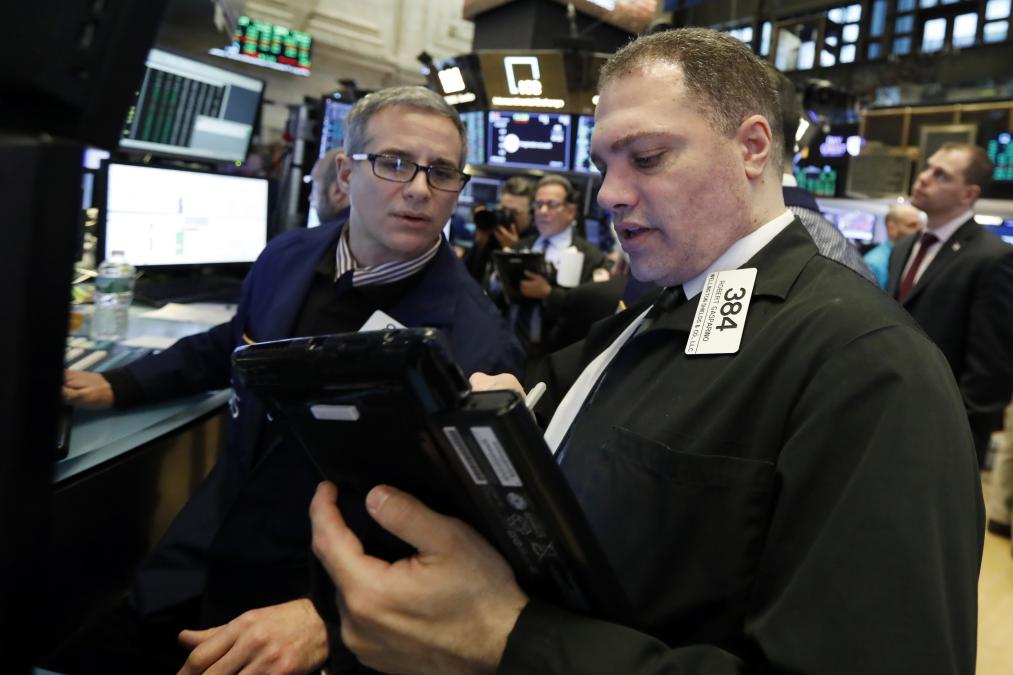
In contrast, the S&P500 reference index and the NASDAQ reached historical maximums so far in the morning, driven by the profits of megacapitalization companies, in a context in which investors are increasingly trusting that the Federal Reserve could resume its monetary flexibility cycle next month.
At 09:59 am the industrial average Dow Jones 0.86%, the S&P 500 earned 0.44%and the Nasdaq Composite advanced 0.39%.
However, Perea warned that the scenario could vary if the tariffs applied this year in the US generate inflationary pressures towards the last quarter. As he explained, for now these impacts are not visible due to factors such as the positive performance of the services sector, the compression of business margins and the use of accumulated inventories before the imposition of rates.
“Companies have absorbed part of the impact by reducing margins or using inventories, but this is not sustainable. Inflation is likely to remain above 2% that the Fed has as its goal, although not at worrying levels,” he said.
Receive your Peru21 by email or by WhatsApp. Subscribe to our enriched digital newspaper. Take advantage of discounts.