Artists with disabilities have always existed, but for a long time capacitism kept them excluded from Brazilian culture. Even today, few of them are known or recognized in the country and, in the case of literature, few of them are read.
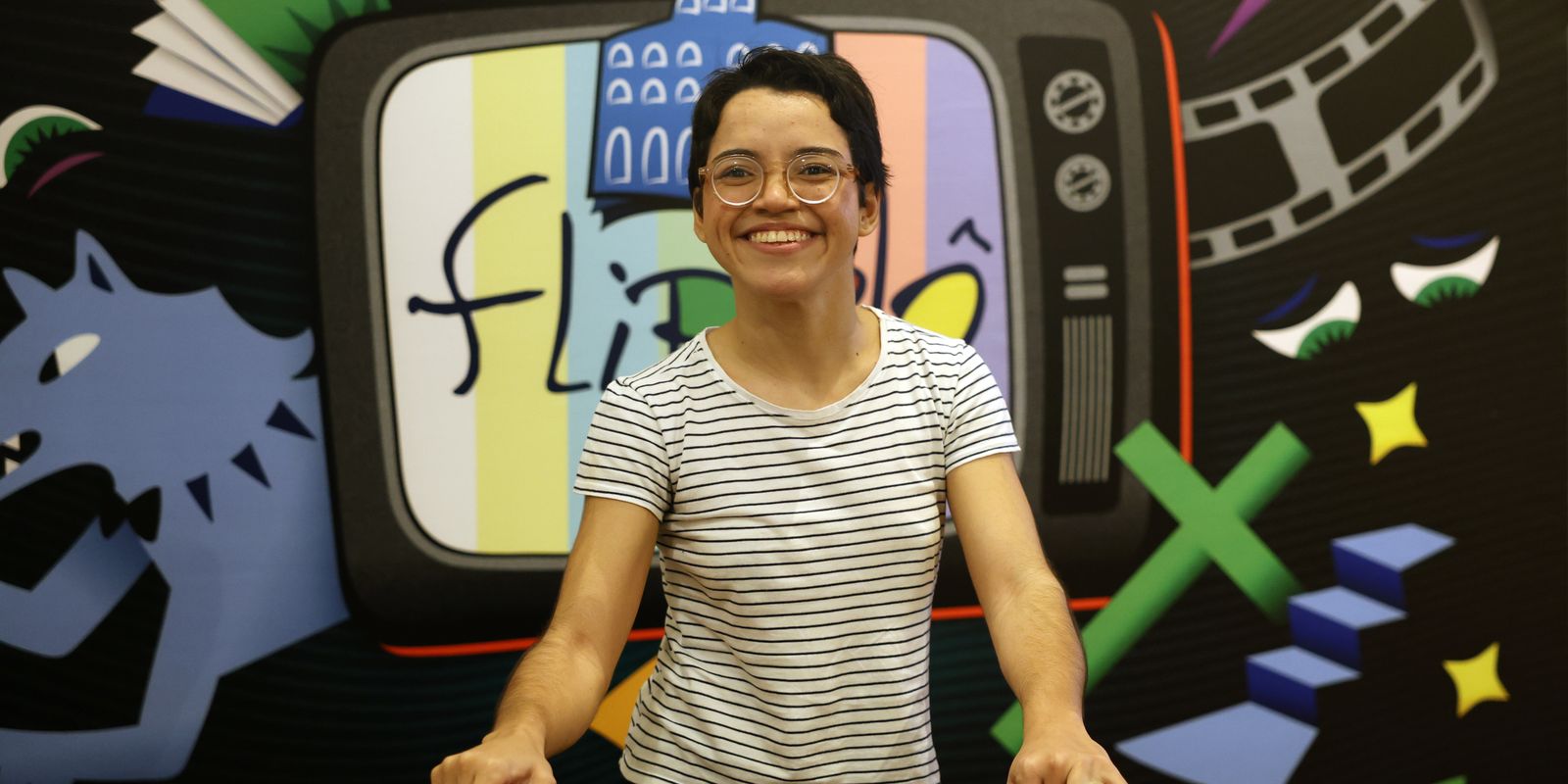
“The main difficulty within the discussion of literature is to recognize the subject with disabilities as a producing subject,” said researcher, philologist and writer Amanda Soares, 25.
Creator of the Instagram profile called Dangerous PCD, Amanda reinforces that literature is a way for the life stories of these people with disabilities to be known. However, she highlights, these narratives are still little accessible in the country.
“Literature is responsible for making us keep the memory of the world and that we also reflect on a specific time of the world. It is responsible for documenting every time. But what do we know about people with disabilities beyond accessibility and inclusion? That is why it is necessary to study the narratives of people with disabilities, especially those that are created about them ”she said to Brazil agency Before giving a workshop on Liter Def – Literature produced by and for people with disabilities – at the Pelourinho International Literary Party, Flipelô, which takes place in the Historic Center of Salvador.
A difficulty encountered by these writers, exemplified Amanda, is to be able to participate in literary parties, such as Flipelô, where they could publicize their work.
“Very few authors can get here for a number of financial or structural issues because the body with disabilities needs much more to be able to settle. And art in Brazil is complicated, unhealthy for any body. So, for a body that needs too much, it is quite complicated to talk about this visibility.”
Participating in these literary parties, argues Amanda, would be extremely important for both Liter DEF writers and their readers. “We need to be physically present because PCD literature [pessoa com deficiência]in general, it ends up spreading in digital, which is very important, but physical contact or human contact is very significant for the construction of memory because it is from it that we understand the characteristics of humanity. I recognize myself in you and you, even though you are a journalist who doesn’t have a disability, recognizes me at me at various points because we go through. This type of contact is paramount for an author with disabilities, including a network of work contacts, ”he said.
Mapping
The universe of these PCD writers is not yet known in Brazil. But last year, the Ministry of Culture and the Federal University of Bahia began to survey artists, cultural and professional agents with or without disabilities who work in the area of cultural accessibility. Called mapping accesses more, the project seeks to identify these professionals throughout the Brazilian territory with the objective of fostering the creation of public policies that can make Brazilian culture more accessible and inclusive.
These data, says the ministry, will be fundamental to ensure that the cultural sector is inclusive and meets the needs and demands of artists and professionals with disabilities.
Mapping, Amanda highlights, will help to size production and, especially, help to know the country’s PCD authors. “I think there is a depth to work people with disabilities within literature and within other subjects. We always stay [focando] at the point of accessibility and inclusion, but I believe that accessibility and inclusion are [apenas] tools. But who uses these tools? If we knew more about the subject, we would better defend the tools, precisely because we would know why he uses them. It is from the subject that one studies all other things. ”
It also argues that this survey may help develop more efficient public policies for this population, which cannot be based only on quotas. “The fact that there is quota does not necessarily guarantee that the person will be able to access the quota,” she says.
The quotas are super important but often we are defining which body will be able to access this quota because the body that has intellectual disability, for example, will need a third to get there. Perhaps there is a public policy focused on how to fill these forms and identify these artists and to direct them. ”
Flipelô’s schedule ends this Sunday. More information about the event can be obtained at https://flipelo.com.br
*The team of Brazil agency traveled at the invitation of Motiva, sponsor and official mobility partner of Flipelô 2025