The deceased was identified as Santiago Llanes, a corporal of the US Navy Infantry Corps.
Arequipa, Peru – The Naval Criminal Investigation Service (NCSI) of the United States investigates the death of a corporal of the Marine Infantry Corps that occurred on August 3 at the Naval Base of Guantanamo, in Cuba.
The deceased was identified as Santiago Llanes, reported Stars and Stripesmedium specialized in military issues of the United States Department of Defense.
Colonel Rob Dolan reported that Llanes was found in his unconscious barracks and his death was declared right there. The cause of death, explained the military, was due to “wounds not caused by combat.”
For his part, Meredith March, spokesman of the NCIS confirmed that his service is carrying out an investigation to determine the facts related to death, a routine procedure before any non -combatant death and without medical assistance from members of the service of the department of the Navy.
The remains of Llanes were transferred last Wednesday to the Dover Air Base, in Delaware. On the site the transfer military ceremony was held, a solemn act in honor of the fallen where a team from the Marine Infantry Corps participated.
At the time of his death, Santiago Llanes served as an administrative deputy in the Company of the Security Force in Guantanamo. This, after joining the Marine Infantry Corps in 2022.
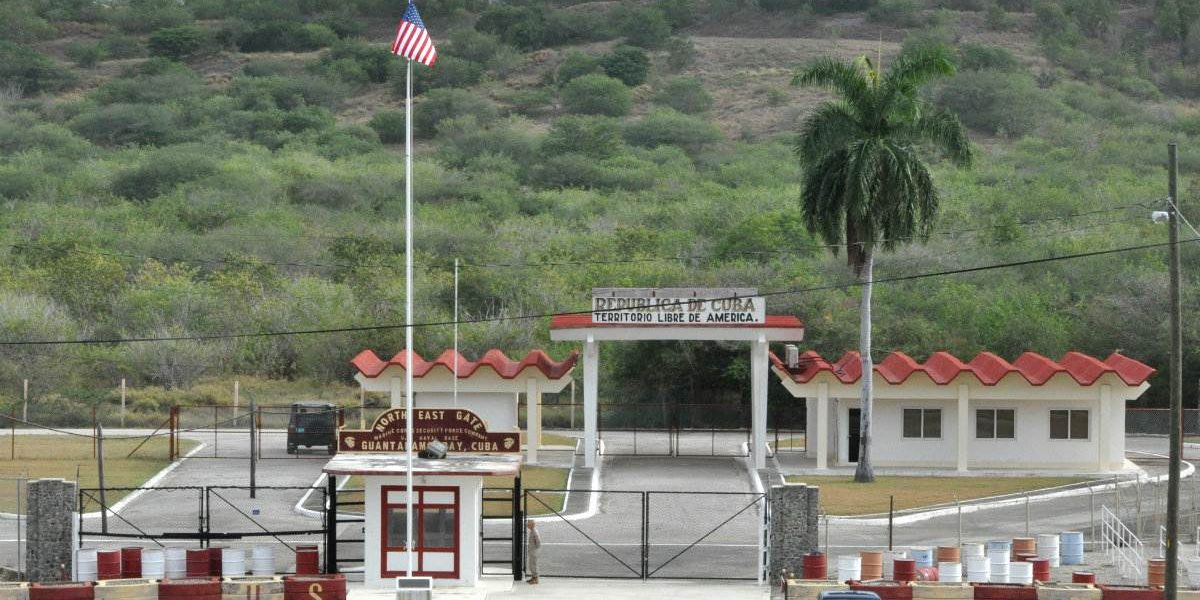
Naval Base of Guantanamo: A lawless lawsuit
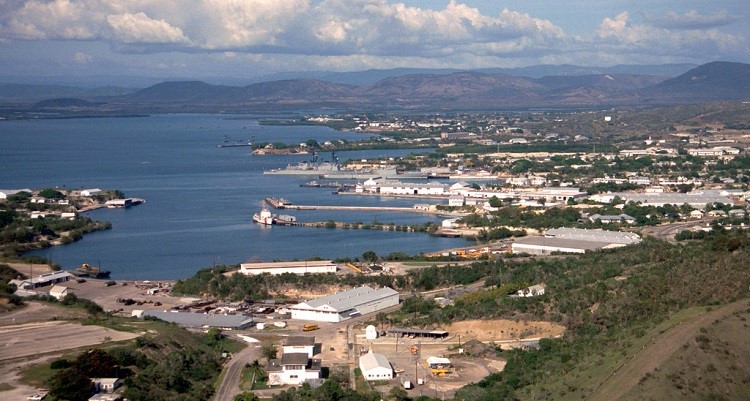
On February 16, 1903, with the signing of the Treaty of Lease for Naval Bases and Carboneras, the lease was made effective, by the Northern Nation, of the territory where the Guantanamo Naval Base is located today. The Naval Station had been established several years before, in 1898, After the United States victory over Spain in the Spanish-Cuban-North American War.
The Marras document was signed by the first elected president of the nascent Republic of Cuba: Tomás Estrada Palma, and his counterpart in the White House, Theodore Roosevelt. In the writing it was stipulated that Cuba would maintain definitive sovereignty on the enclave, with the right of passage for itself and its commercial partners; But the United States could exercise absolute jurisdiction while the occupation will last, with the purpose of operating naval stations.
Initially the United States paid an annual income that amounted to two thousand gold dollars, which was converted to $ 4,085 in 1934, according to the current change, for the concept of occupation and use of the territory. This payment would only be suspended by agreement between both governments, or the abandonment of property by the United States.
In 1961, with the arrival of Castro to power, relations between the two countries were interrupted and the Cuban regime stopped accepting the payment, while insisted to claim the return of the territory under the argument that the Platt amendment, Included in the Cuban Constitution of 1901, it constituted an element of pressure for the signing of the treaty through which the Guantanamero territory was leased.
Although there has never been a fight for the enclave, some clashes between soldiers from both countries occurred in the past. Around the perimeter of the base there is a strip of “no one land”, where American and Cuban troops placed thousands of antipersonnel mines and anti -tank to avoid leaks of control stalls, or an invasion. For decades that was the largest mined field in the western hemisphere.
The Castro government prohibited the recruitment of Cuban personnel to work at the base and stopped providing water supply, forcing the US government to import it from Jamaica and build desalination plants. The naval base is currently self -sufficient, produces water and electricity for consumption and has facilities that guarantee basic services, communication, health care and entertainment.