Pressured by the drop in the price of several commodities (primary goods with international quotation) and the increase in imports, the trade balance recorded the lowest surplus for July in three years. Last month, the country exported $ 7.075 billion more than it imported – a 6.3% drop from the same month of 2024.
The figures were released on Wednesday (6) by the Ministry of Development, Industry, Commerce and Services (MDIC). The surplus in July is the smallest since 2022, when the positive result was $ 5.357 billion.
The trade balance accumulates surplus of US $ 36.982 billion in the first seven months of 2025. The value represents a fall of 24.7% over the same months last year and is the worst for the period since 2020, when there was a surplus of US $ 29.896 billion.
Part of the retreat in the accumulated value occurred because The trade balance had a deficit of US $ 471.6 million in Februarymotivated by importing a oil platform.
>> Follow the channel of Brazil agency on WhatsApp
Record Foreign Trade
Both exports and imports broke record last month, but abroad purchases grew even more. In July, the country exported US $ 32.310 billion, up 4.8% compared to the same month last year. Imports totaled US $ 25.236 billion, up 8.4% in the same comparison.
In analyzing the amount exported and the average prices, the volume of exported goods rose 7.2%. Prices, however, retreated 2.1%on average compared to the same month last year, reflecting the drop in commodities (primary goods with international price). In imports, the amount bought rose 7.9%, driven by economic growth, but average prices retreated 0.2%.
Sectors
In the agricultural sector, the drop in the amount sold weighed more to the slight growth of 0.3% in segment exports. The volume of shipped goods fell 2% in July, compared to the same month of 2024, while the average price rose 3.3%.
In the transformation industry, the amount rose 10.3%, with the average price falling 1.6%, which reflected a certain economic recovery in Argentina, the largest buyer of industrialized goods in Brazil.
In the extractive industry, which encompasses the export of ore and oil, the amount exported rose 13.1%, while average prices retreated 8.1%, the result of economic slowdown in China and the fierce of the trade war by the Government of Donald Trump.
Products
On the export side, soybeans, the main product of agriculture, grew 1.2% compared to July last yearbecause of the shipping concentration that made the volume sold 9%. Average prices, however, retreated 7.1%.
The high price of coffee continued to hold the growth of agricultural exports. The exported value grow 25.4% in July, compared to the same month last year. Despite the 20.4% drop in shipped volume, average prices rose 57.5% in the same period.
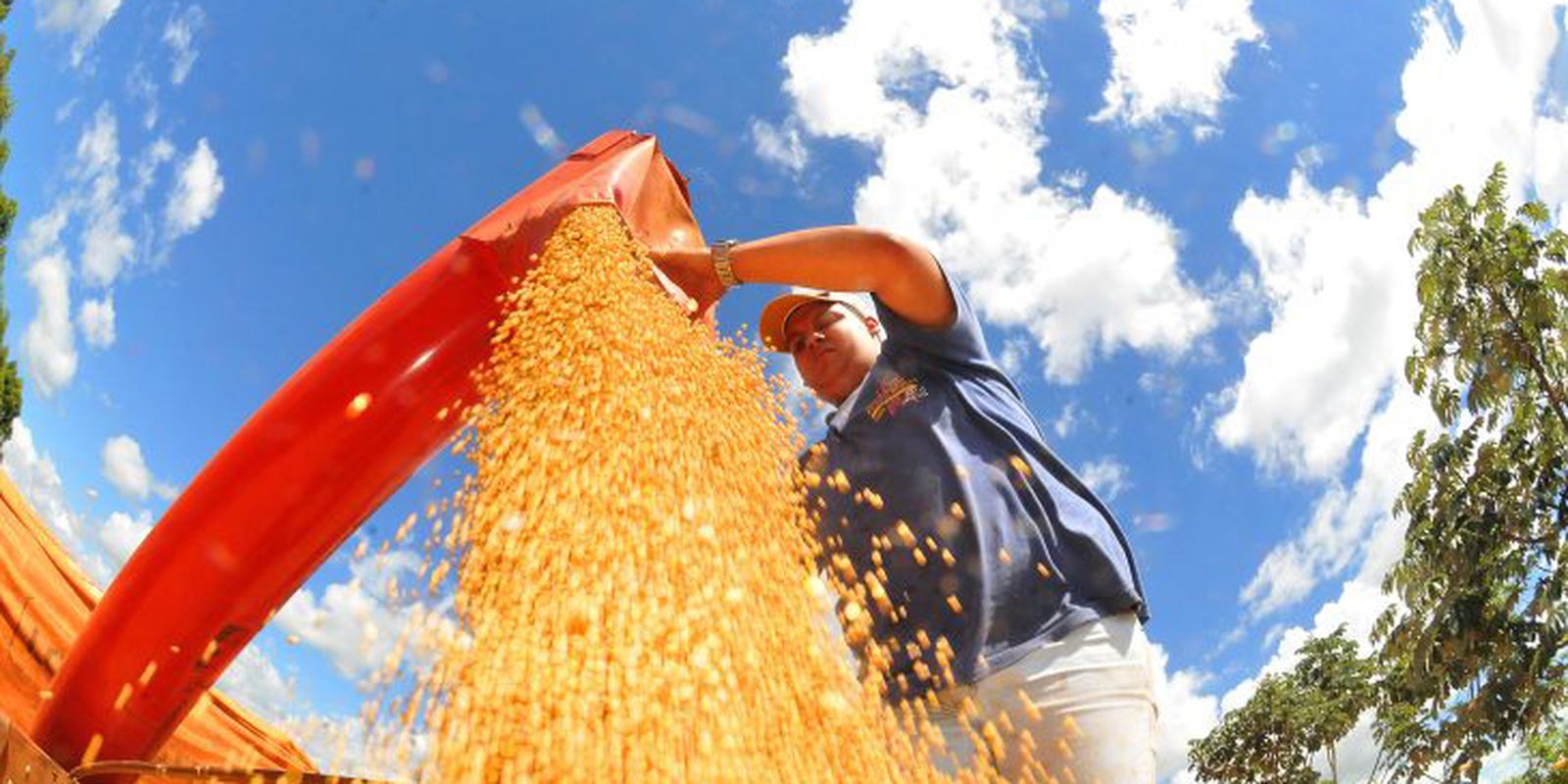
According to agribusiness export product, corn performed negatively. Because of the end of the crop, exports fell 27.2% compared to July last year. The average price rose 6.3%, but the shipped volume retreated 31.5%.
In the extractive industry, oil sales rose 8.1%after months of falling. This was because the volume sold rose 17.6%, offsetting the 8% drop in the barrel quotation. Iron ore exports retreated 8.8%. Although the amount was up 4.7%, prices fell 12.9%.
On the import side, the acquisitions of non -electrical engines and machines; fertilizers and fertilizers; and fuels pulled growth. The highest rise occurred with the engines, whose purchased value increased US $ 325.2 million (+43.9%) in July compared to July last year.
I estimated
According to the latest MDIC estimates, released in April, the surplus is expected to be US $ 50.4 billion, a 32% drop from 2024. The next projection will be released in October. Estimates will be reviewed because they do not consider the 50% rate on Brazilian products in the United States.
Predictions are more pessimistic than the financial market. The Focus Bulletin, a survey of market analysts released every week by the Central Bank, projects a surplus of US $ 65.25 billion this year.