An analysis of tourism in the Castro official press revealed that, apparently, food is left over on the island.
Arequipa, Peru – while hunger increases in Cuba due to food shortages or its prohibitive prices, an analysis of tourism in the official Castro press revealed that, in reality, food is left over on the island.
The state environment Cubadebate This weekend published an article that describes the debacle of the Cuban tourism sector. According to the portal, in the January-June period of 2025 Cuba received a accumulated total of 1,360,650 travelers, just 81% of the equivalent record in 2024 (1,680,304 visitors).
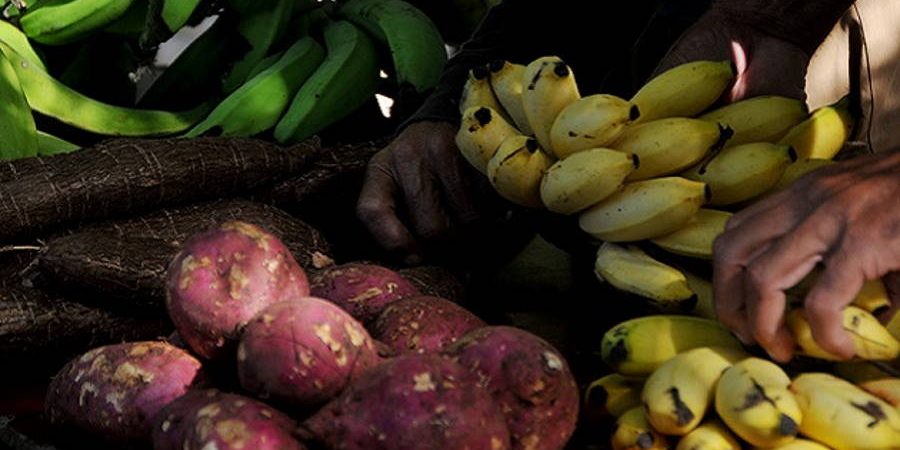
When trying to justify the impact of this decline in multiple sectors of the economy, Castro propaganda then referred to agriculture ensuring that: “The agricultural sector, which allocates a significant volume of its production to the supply of the tourism industry, now faces surpluses that do not find an alternative internal market.”
The controversy that raised the data motivated that Cubadebate censored that part of the text and is no longer available. However, the words did not go unnoticed by the readying readers.

The word “surplus” is a hard contrast to the reality of the island, where its inhabitants must survive in austerity and on the basis of rationing. The word causes even more surprise when relating to the products of the field, raising obvious skepticisms.
How can we talk about leftovers in a country where people cannot access decent food? What can exceed the lack of basic products, when thousands of children go to bed hungry and only Cubans privileged with remittances can boast of eating tomatoes, food or drinking milk?
A study by the Cuban Observatory of Human Rights (OCDH) entitled “The state of social rights in Cuba”presented in July last year, revealed that the food crisis constitutes the main social problem of the country (72%), followed by The blackouts (55%), inflation or cost of living (50%), wages (49%), health or public health (21%) and corruption (20%).
The report said that in Cuba seven out of ten people stopped breakfast, lunch or dinner, due to lack of money or food shortages in the analyzed period. Only 15% made the three daily meals without interruption.
The agricultural sector, like the island itself, is in crisis. The Castro regime has recognized that more than 70% of the food consumed in Cuba must be imported.
The Cuban economy It has been reduced by 11% in the last five yearswhile strategic sectors such as agriculture, livestock and mining have experienced a decline of 53% in the same period. Since 2019, a “sustained decrease in meat and milk production balances has been documented.”