Brazilian Lilia Guerra and Chilean combines Trabucco Zerán discussed, in the 23rd edition of the Paraty International Literary Festival (FLIP), the harsh conditions of domestic workers through their latest literary works. The novels The sky for bastards and The clean They have as main characters women in housework, a function that carries a strong inheritance of enslavement and reflects, even today, social inequality in Latin countries.
There are three generations of domestic workers in Lilia’s family. “All the women in my house were household workers, my grandmother, my mother and my aunt. Since I followed the routine of these women, always talking, telling and commenting on the things that happened, I designed this career to me too,” he said on the table entitled “The House, The World.”
>> Indigenous voices gain projection at the Paraty literary party
As a child, Lilia accompanied her grandmother in the houses she worked on. Then the mother, until she herself started at home work.
“Although my grandmother always be careful that I wouldn’t feel like doing a internship and as if I had prepared to be a home worker, I felt it. It seemed to me that I wouldn’t be worthy of my part if I had no experience either.”
The author reported that, at the time of writing, resorted to memory and experiences lived in the context of housework. “I watched my grandmother and also watched employers. When writing, I had the employee’s experience and could employ many things there. When she form the employers, the bosses, I turned to this observation, this listening, memory and memory to make the buildings.”
>> Follow FLIP coverage in Brazil agency
Class violence
Already the novel of the Chilean combines Trabucco Zerán does not bring autobiographical components, but has a base in research, observations and listening. She points out that class differences and class violence are on the basis of this type of work.
“Part of the origin of the book has to do with a survey in which I studied the history of the Chilean domestic workers union, which emerged in the early 20th century. Their struggles were even with the proletarian workers themselves, who denied them as workers because they denied this work,” said Al Thei.
The writer recalled the reaction that the book caused in readers who came to contact her. “Three indignant women contacted me, furiously, telling me directly, feeling very attacked and resentful, that they would never treat their maids like that. Three messages I saved because I thought they were revealing of what a book can generate and how they can, to the point of feeling interpealed.”
“On the other hand, women, especially those of the third generation, which is similar to what Lilia is telling us, [ou seja,] Grand granddaughters and daughters of maids who later did not follow this career, they did not follow that way, ”he told the audience.
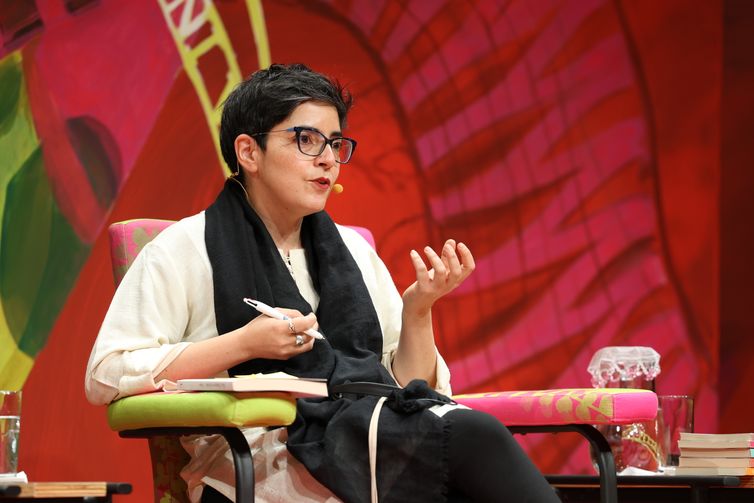
The Chilean writer combines Trabucco Zéran participates in the table, the world during the 23rd International Paraty Literary Party ROVENA ROSA/AGENCY BRAZIL
Who are the bastards
“No bastard child born of illicit union will be part of the Congregation of the Eternal; their descendants will not be able to enter the Lord’s Assembly to the tenth generation.”Deuteronomy 23: 2. With a Bible passage, the author Lilia Guerra, daughter of a solo mother, begins to her latest book, The sky for bastardsfinalist of the São Paulo Literature Award.
“I didn’t know that bastard word when I was a child. No one has ever told me ‘you are a bastard’, but I heard a lot that I was a single mother’s daughter. Until I could find out what it caused in my life, it took a while,” said the writer.
A resident of the neighborhood of Cidade Tiradentes, in the east of São Paulo, Lilia published her first book in 2014, independently, with the title Love Avenida. The work was built from the reports made by the mother about the relationship with the author’s father, which she did not know. In addition to being a writer, she is a nursing assistant at a post of the Unified Health System (SUS), in the neighborhood of Guaianazes.
CAROLINA MARIA DE JESUS
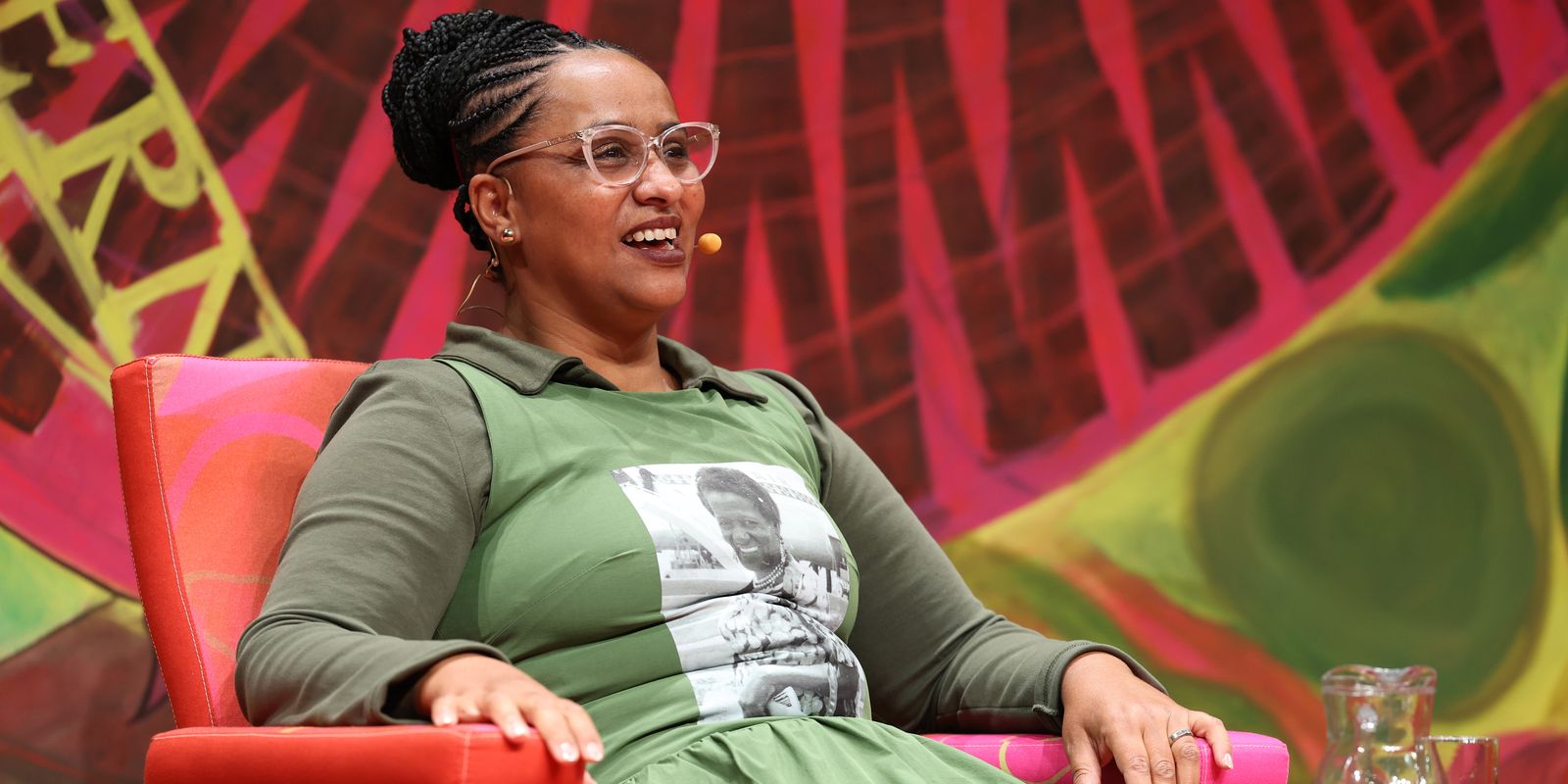
At Flip’s official program table, Lilia wore a dress with the image of writer Carolina Maria de Jesus printed on her chest. “She couldn’t help being with me today, at this very important moment. I told her ‘let’s go?’, And we came,” he said at the beginning of her presentation.
The title of the work under discussion refers to the writer’s other memory, when he could not attend the catechism. Lilia saw that cousins and neighbors attended classes and waited the day when it would be your turn.
“I asked my mother: when I go? And my mother was going around. Until a day when I insisted so much that my mother said like this: I can’t do catechism because I would need your father’s name in your document, and you don’t have it. It was a difficult conversation, but I stopped asking and started watching these issues,” he said.
Lilia was baptized in a Catholic church because her grandmother made a point. Although not Catholic, she was afraid that, without baptism, the granddaughter would not go to heaven after death. “I kept thinking about it ‘how so won’t go to heaven? Where do these people go?’ It was a question that always accompanied me and, when I had the opportunity, I [decidi]: I’ll talk about this sky to the bastards. ”
*The reporter and photographer traveled at the invitation of Motiva, sponsor and official Flip Mobility Partner 2025.