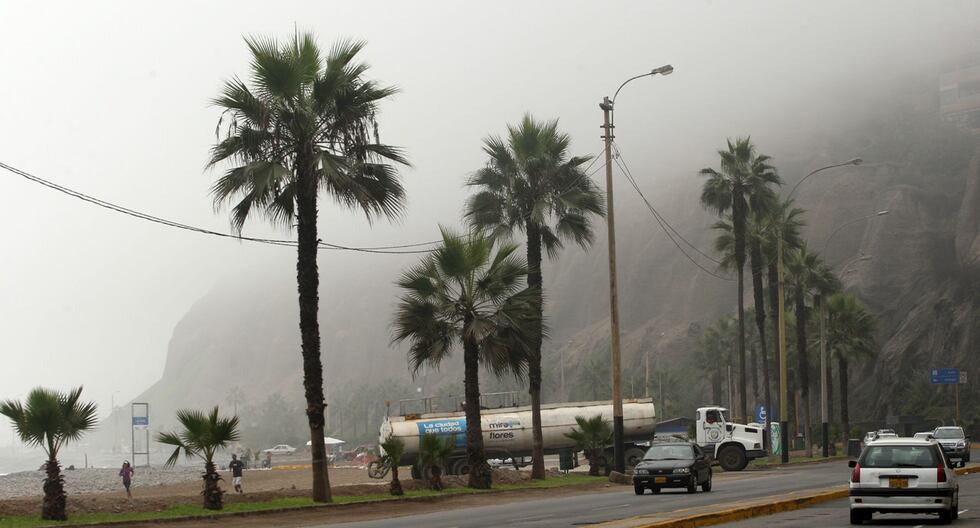
Lima winter has been accompanied this year of persistent drizzles, dense fog and a notable temperature decrease, factors that not only affect daily routine, but also significantly raise the risk of road accidents, especially among those who must mobilize for work.
According to Senamhi, The South Pacific anticyclone has intensified moisture, generating gusts of wind, drizzles and low visibility in the tracks. These conditions complicate driving, especially at peak hours and on routes with poor infrastructure.
Given this scenario, Gallagher, a global specialist in risk and insurance management, calls for reinforcing preventive measures, especially in companies with fleets or vehicles assigned for technical visits, transfers or distributions.
“During winter, conditions change radically and many drivers are not prepared. Promote a culture of vehicle prevention and have adequate coverage, both for the vehicle and for people, is a shared responsibility between employers and workers,” Claudia Figueroa, Gallagher Peru’s claims director, points out.
Do you drive a company vehicle? This is what you should consider
In Peru, thousands of workers, from technicians to distributors and commercial personnel, move daily using vehicles provided by their employers. In these climatic conditions, not only the maintenance of the vehicle is crucial, but also the worker’s coverage to accidents or diseases:
– Worker’s coverage: It is key that you are affiliated with an EPS or have complementary insurance, so that it is protected against injuries due to falls, shocks or exposure to respiratory diseases associated with moisture.
– Vehicle coverage: You must include insurance against material damage, civil liability against third parties and road assistance.
Five key measures to avoid accidents during winter
– Vehicle preventive review: Make sure the brakes, tires, lights and windshield wiper are in optimal conditions.
– Defensive and precautionary conduction: the speed in mist or drizzle decreases. Use low or fog lights, and avoid braking or sudden turns.
– Planned and prudent route: avoid narrow or potholes, especially at night. If you are tired or the climatic conditions are extreme, postpone the trip.
– Correctly marked emergency: If you stop the vehicle, use flashing lights, place safety triangles and use reflective vest.
– Preventive culture within the company: companies must reinforce maintenance controls and train their staff in safe driving during winter.
Prevention begins with information and preparation
” The recommendation for employers is that they implement clear protocols to regulate transfers during adverse climatic conditions, based on the Senamhi reports, and that they always prioritize the safety and integrity of the worker above the operability. ” Claudia Figueroa adds.
In addition, the executive recalls that small actions, such as reviewing the status of a tire or postponing a transfer in the middle of the mist, can make a difference andNtre a safe trip and an accident with serious consequences.