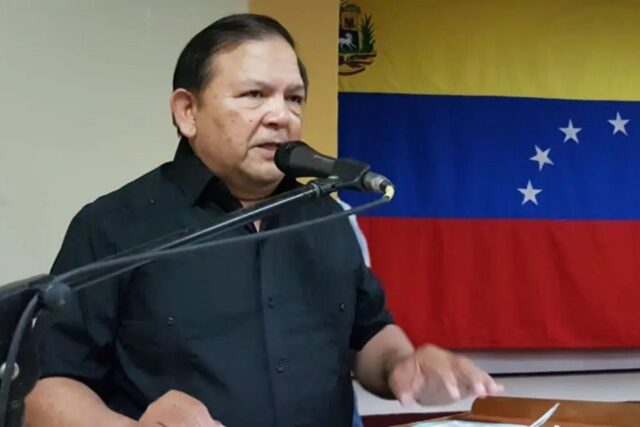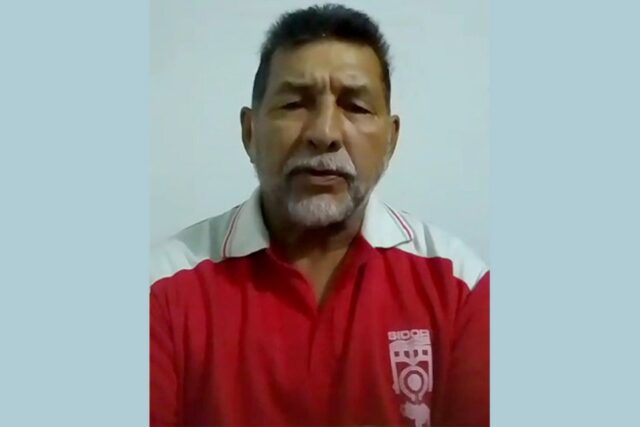
“All my strength and solidarity to the Apureños that have been incommunicado product of torrential rains and river flood For the rains.
In the last hours, according to Machado, rainfall has caused the collapse of the main land communication routes:
- The road that connects Apure with San Cristóbal collapsed in the swirl section.
- The Troncal 19, which links Apure with Barinas, collapsed at the height of the Las Tiamitas sector, in the Muñoz municipality.
- A huge collapse was also reported in the La Negra sector, affecting access to the central region of the country through Guárico.
The former deputy states that food, gas and fuel are being transported by a road from the Bolívar state so that, from there, enter the Amazonas and state They are transported in vessels along the Orinoco river until Apure.
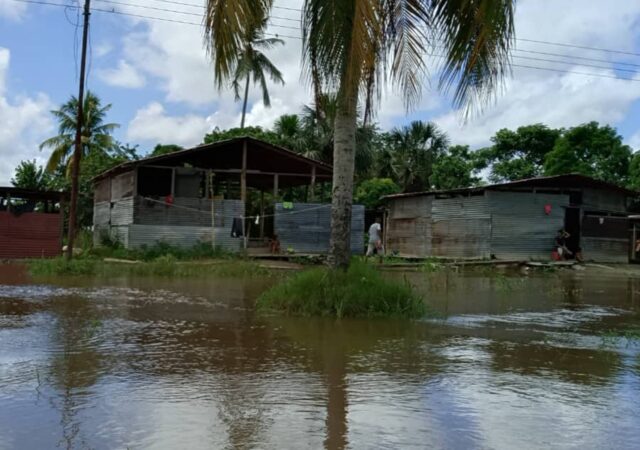
Machado pointed out that there are communities, towns and hamlets “completely flooded” and “hundreds of families” have “lost all their things” and They have been “evacuated towards schools and sports courts.”
“The Apure River is at maximum levels and continues to receive water from the Guárico rivers and Portuguese, as well as other local rivers. The situation is really very serious, “warns the opposition leader.
Therefore, you have asked everyone to show your “Solidarity and generosity with those who suffer most today.”
The situation in Apure
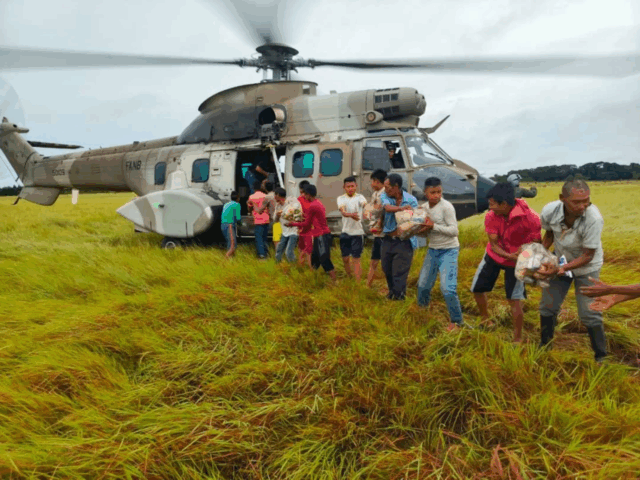
In Apure they have recently collapsed several land routes as a result of the rains and various families have been harmed by the flood of the Apure River, which has also affected areas of other nearby stateslike Guárico, according to authorities local and regional.
This has forced to use other unconventional transport routes, such as river, where 4,093 medical supplies for dialysis treatments were transported due to dialysis treatments due to “Logistic Challenges” For the “road deterioration,” said Apure’s governorate on Wednesday.
The governor of the entity, Wilmer Rodríguez, reported that more than ten vessels were enabled to transfer food.
The rains, which began at the end of June, have left damage in much of the Venezuelan west, which covers, among others, the regions of Barinas, Táchira, Trujillo, Mérida and Portuguese, and also in the Bolívar state.
Related