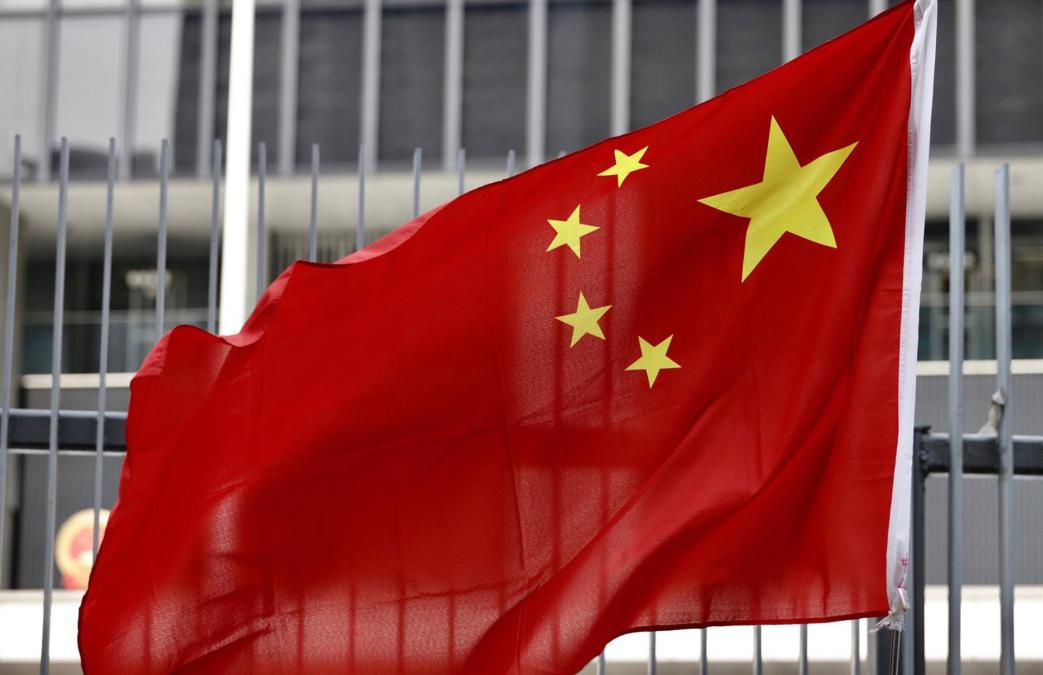
China He has announced the implementation of an annual subsidy for families with children under three years of age, in which he represents his first national support program for child care. The measure, which will enter into force in January 2025, seeks to counteract the sustained fall in birth rates and attend the growing concerns about the purchasing power of households.
As reported by the Xinhua state agency, the Government will grant 3,600 yuan (equivalent to about 503 dollars) per year for each child under three years. Although the policy will begin to be applied next year, families with children born between 2022 and 2024 will be able to access partial payments. More than 20 million homes are expected to benefit from this initiative annually.
An official of the National Health Commission of China explained that the direct delivery of cash subsidies aims to relieve the economic burden of raising children and reducing anxiety about fertility among young couples. The measure has been debated for years by experts and responsible for public policies, and responds to the growing concern for the decline of the population and the decrease in marriages in the country.
China faces a demographic crisis that has intensified in recent years. Despite the end of the only child’s policy in 2016, the number of births has decreased sustained. In 2023, 9.5 million births were recorded, an increase of 520,000 compared to the previous year, but still well below the maximum of 17.9 million reached in 2017. In parallel, 10.9 million deaths were counted in 2024, which has contributed to a third consecutive year of population reduction.
In addition to the demographic component, the measure also seeks to encourage household consumption, in a context in which the second largest economy in the world faces deflationary pressures. Although the real growth of the internal gross product was 5.2 % in the second quarter of this year, the general price drop limited nominal growth to 3.9 %.
However, some experts consider that the amount of the subsidy is still insufficient to generate an immediate impact. “The sums involved are too small to have a significant effect on the birth rate or consumption,” said Zichun Huang, economist for China in Capital Economics. In spite of this, he acknowledged that this policy represents an important milestone regarding direct tax transfers to homes and could lay the foundations for greater disbursements in the future.
China is not the only country that has adopted this type of measures against demographic challenges. Other governments, such as those of Hungary, Poland, South Korea and Japan, have also implemented tax subsidies and benefits aimed at families with children.
Before the launch of the National Plan, some regions of the country had already tried similar schemes. In Hohot, capital of the Autonomous Region of Interior Mongolia, a unique payment of 10,000 yuan for the first child was introduced at the beginning of the year, greater amounts for the following and additional benefits such as free daily milk for recent mothers.
The researcher Zhu Kun, of the Chinese Academy of Fiscal Sciences, indicated that the amount of the annual subsidy was defined taking as reference international standards, which are usually between 2.4 % and 7.2 % of the gross internal product per capita.
Finally, Xinhua explained that each province will establish its own calendar for the disbursement of subsidies, depending on their local capabilities and conditions.
Take advantage of the new experience, receive by WhatsApp our enriched digital newspaper Peru21 Epaper. Now available in Yape! Find us in Yape Promos.
Recommended video